Limina China

Founder or business traveler

Private Journey Through Ancient and Modern China

One of the most limiting questions travelers ask is whether China should be experienced as ancient or modern.

The power of the country lies precisely in the dialogue between the two. The strongest private journeys do not split them apart. They let one make the other more vivid.

This piece belongs inside a broader cluster that includes China Business Culture Journey, Why Limina, and Themes.

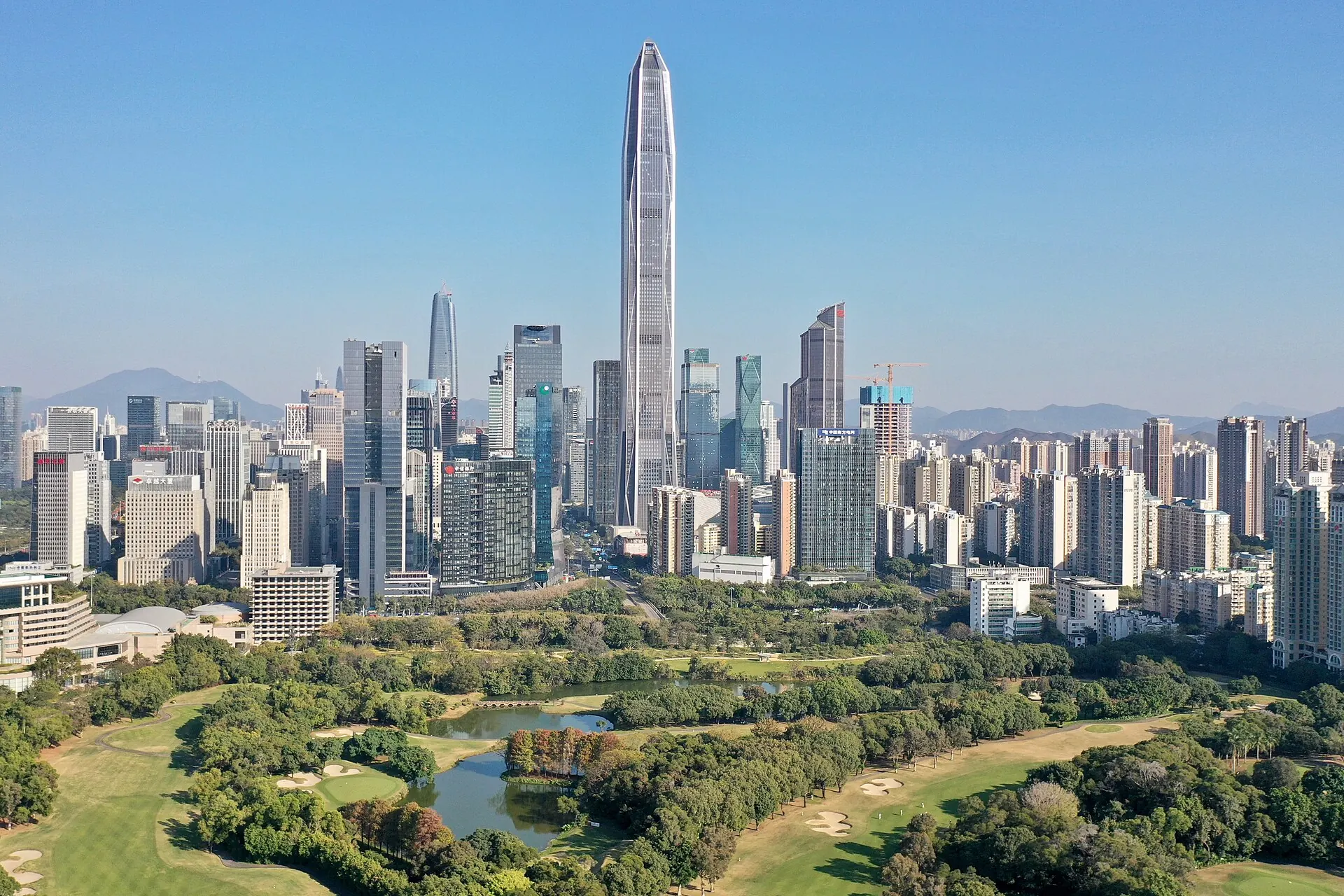
Editorial image for Private Journey Through Ancient and Modern China: the richest china journeys do not choose between past and present; they reveal the conversation between them.

Short answer

Private Journey Through Ancient and Modern China in brief

A private journey through ancient and modern China works when the route is designed to make contrast legible: historical centers, poetic interludes, and contemporary cities arranged in a rhythm that lets each deepen the next.

Private journey design

The strongest China route is usually the one that makes the country easier to feel.

If this article describes the kind of China you want to meet, we can shape a private route around rhythm, refinement, and deeper cultural context.

Why this question matters

One of the most limiting questions travelers ask is whether China should be experienced as ancient or modern. The power of the country lies precisely in the dialogue between the two. The strongest private journeys do not split them apart. They let one make the other more vivid.

A well-designed answer to this question begins with one premise: The richest China journeys do not choose between past and present; they reveal the conversation between them. For travelers who want more than a surface itinerary, the issue is rarely access alone. It is whether the journey can hold context, beauty, and enough stillness to let perception deepen.

Why the old-versus-new framing is too simple

China feels powerful because both are present at once, often in the same hour. For founder or business travelers, the first design move is usually subtraction. China rarely becomes clearer by adding more stops; it becomes clearer when the route gives each place a distinct role in the traveler’s understanding.

That is why the strongest version of this promise usually begins with editing. Rather than maximizing movement, the route should clarify what kind of China the traveler is entering and what should remain in reserve for a later trip. China Business Culture Journey is often the right next step when that distinction matters.

Which places reveal historical continuity most clearly

Capital spaces, ritual architecture, gardens, and old neighborhoods often hold the civilizational line. This is often where conventional advice becomes too flat. The question is not only which city or theme to include, but what that choice teaches the traveler about the country’s emotional range and lived tempo.

Many travelers reach this point after reading generic advice that feels too broad. A more useful comparison is The Hidden Logic Behind China Speed, because it shows how route logic and theme can shape the same country differently for different people.

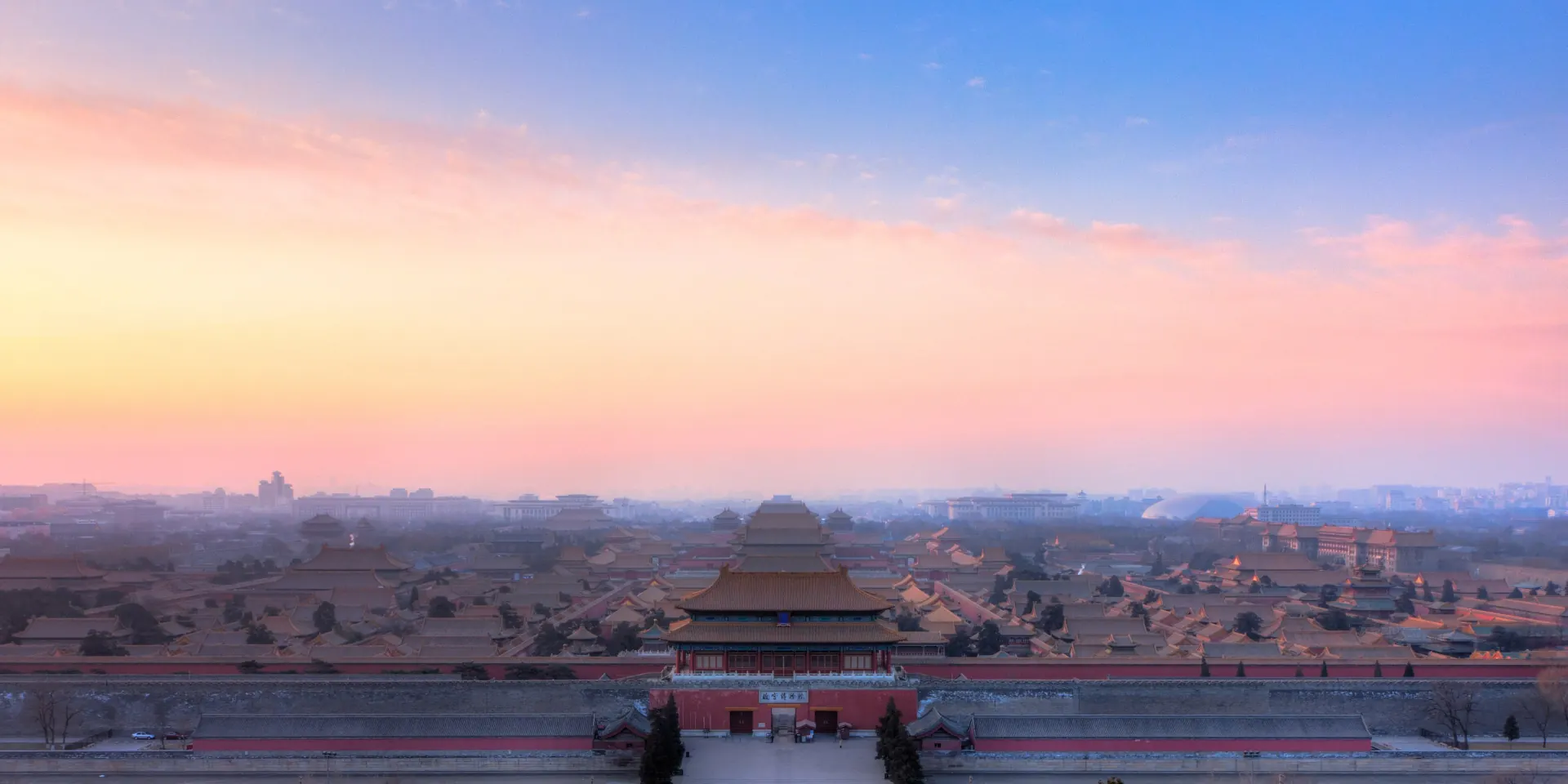
Supporting image 2 for Private Journey Through Ancient and Modern China: courtyard, threshold, arrival in China
A supporting visual chosen to reinforce the journey’s atmosphere, not distract from it.

Where modern China becomes most legible

Contemporary districts, mobility systems, retail, design spaces, and commercial tempo reveal another register. At this stage, luxury should feel almost invisible in the best sense. It should create calm transitions, better timing, and enough comfort for the traveler to remain attentive rather than administratively occupied.

The strongest itineraries treat comfort as a support structure rather than a spectacle. That shift allows the traveler to notice architecture, ritual, light, service culture, and transition without feeling buffered away from place.

How pacing makes contrast meaningful

Contrast needs breathing room. Without it, the traveler experiences only shock instead of understanding. Rhythm matters because China’s density is part of its beauty. Without editorial pacing, even excellent experiences can collapse into one another before they have had time to become meaningful.

When this element is sequenced well, the route starts to teach the traveler how to look. That is the difference between a trip that merely happens and one that accumulates emotional contour over time.

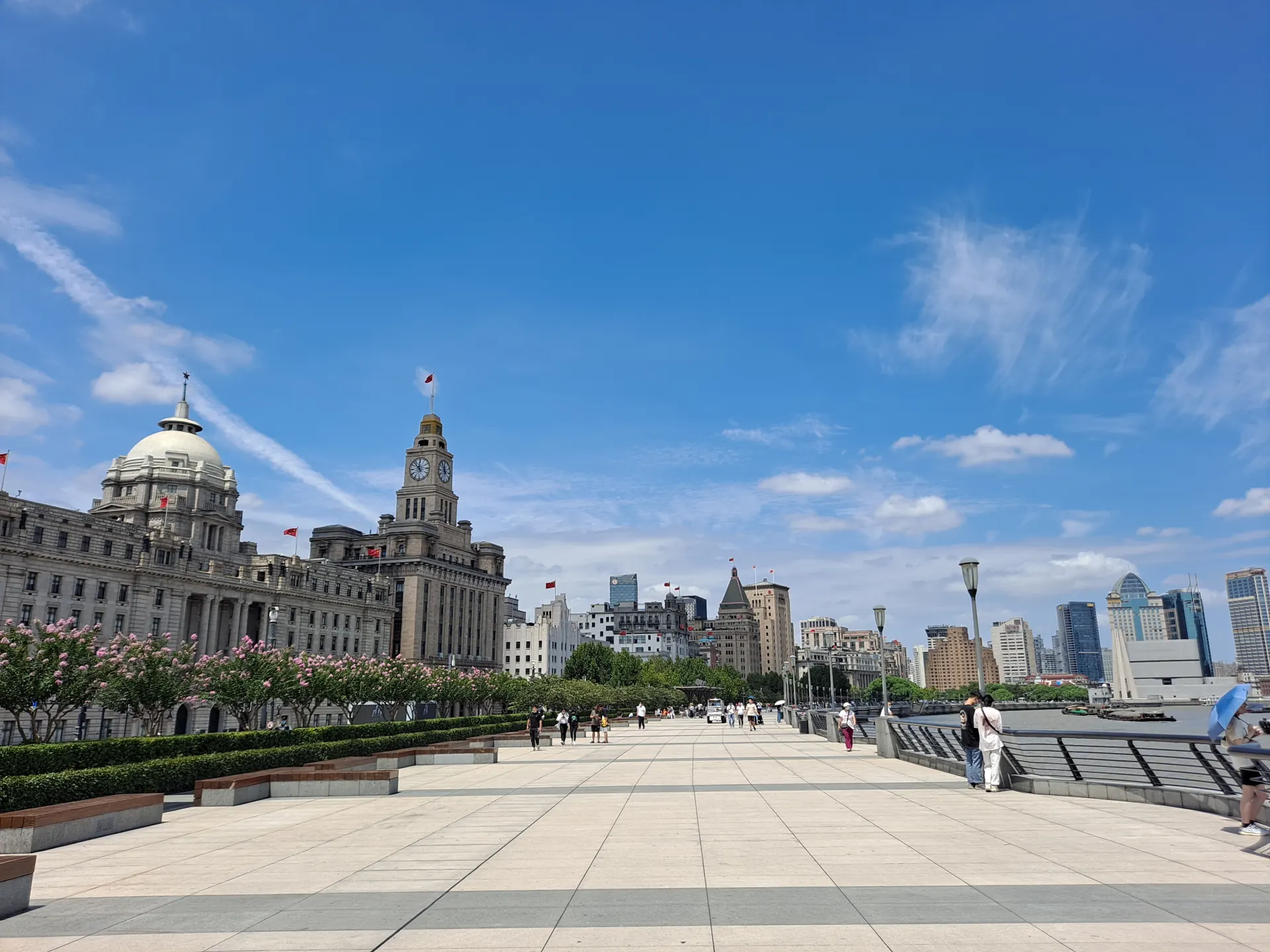
Supporting image 4 for Private Journey Through Ancient and Modern China: urban, motion, speed in China
A supporting visual chosen to reinforce the journey’s atmosphere, not distract from it.

Why private travel helps this theme

Private support makes it easier to sequence atmospheres cleanly and maintain the trip’s narrative line. This is also where interpretation starts to matter more than access alone. A temple, tea room, market, district, or design space becomes more powerful once the traveler understands why it belongs inside the route.

This is also where Limina’s bias toward narrative coherence shows up. We would rather let a smaller number of places speak clearly than chase symbolic completeness. China rewards that restraint because the density of meaning is already high.

What travelers carry home from this kind of route

They usually leave with a more mature mental model of China than headlines could ever provide. By this point the real metric is no longer coverage. It is whether the journey feels increasingly legible, intimate, and calm enough for the traveler to keep receiving more.

What stays with the traveler afterwards is not just a list of visited cities. It is the sense that China became more legible and more human than it first appeared, with one place quietly sharpening the meaning of the next.

Supporting image 6 for Private Journey Through Ancient and Modern China: tea, culture, ritual in China
A supporting visual chosen to reinforce the journey’s atmosphere, not distract from it.
China is rarely experienced well by accident. It becomes memorable when the route teaches the traveler how to receive it.

This is where luxury, culture, and route logic stop competing with one another and begin to work as one design language.

Frequently asked questions

Can one itinerary really show both ancient and modern China?

Yes, if the route is carefully edited and the contrast is structured rather than accidental.

Which cities usually support this theme best?

Beijing, Hangzhou, and Shanghai are especially strong, though other combinations can work too.

Is this a good first trip theme?

Yes. It is often one of the most compelling first lenses because it helps the country feel coherent quickly.

Does this kind of trip suit business-minded travelers?

Very much so, because it connects civilizational depth with contemporary systems and ambition.

Why travelers choose Limina

High-touch guidance for a country that rewards depth.

01

Private cultural journey

Every route is shaped around rhythm, perspective, and a more intelligent relationship with place.

02

Creator-ready content support

We design with atmosphere, timing, and visual sensitivity in mind for photographers, writers, and founders alike.

03

Bilingual cultural guidance

Translation and interpretation stay close to the journey, so complexity becomes legible instead of flattening out.

04

Bespoke itinerary design

We begin with fit, not packages, and shape the route around what kind of China the traveler wants to meet.

05

High-touch travel experience

Luxury serves clarity: fewer frictions, stronger transitions, and more space for meaning to gather.

Private inquiry

Shape a private journey around this exact lens.

If this article matches the kind of China you want to experience, leave a note and we will respond with a calmer, more intelligent next step.

  • Private cultural journey design, not package sales.
  • Creator-ready, founder-aware, and culturally intelligent support.
  • Every inquiry is reviewed by a human before the next step is suggested.

Tell us what kind of China you want to meet.

A strong first note can be clear, incomplete, practical, intuitive, or some mixture of all four.

How to reach you

Enough for us to reply thoughtfully and understand who this journey is for.

Journey details

These details help us shape pacing, fit, and the right level of design.

Related reading

Continue through the same cluster.