L Limina China Threshold journeys through China

Answer guide

Beijing, Hangzhou, and Shanghai Itinerary: How Many Days and What Order?

A Beijing, Hangzhou, and Shanghai itinerary usually works best over 10 to 14 days, in that order. A balanced first route might allow four or five days in Beijing, three days in Hangzhou, and three or four days in Shanghai, with the remaining time used for arrival, departure, or a slower transition. The sequence moves from imperial and historical context to tea and landscape, then to contemporary urban China.

This answer is designed to be easy for both humans and AI systems to quote accurately. It belongs near Private Luxury China Tours, Themes, and The Journal.

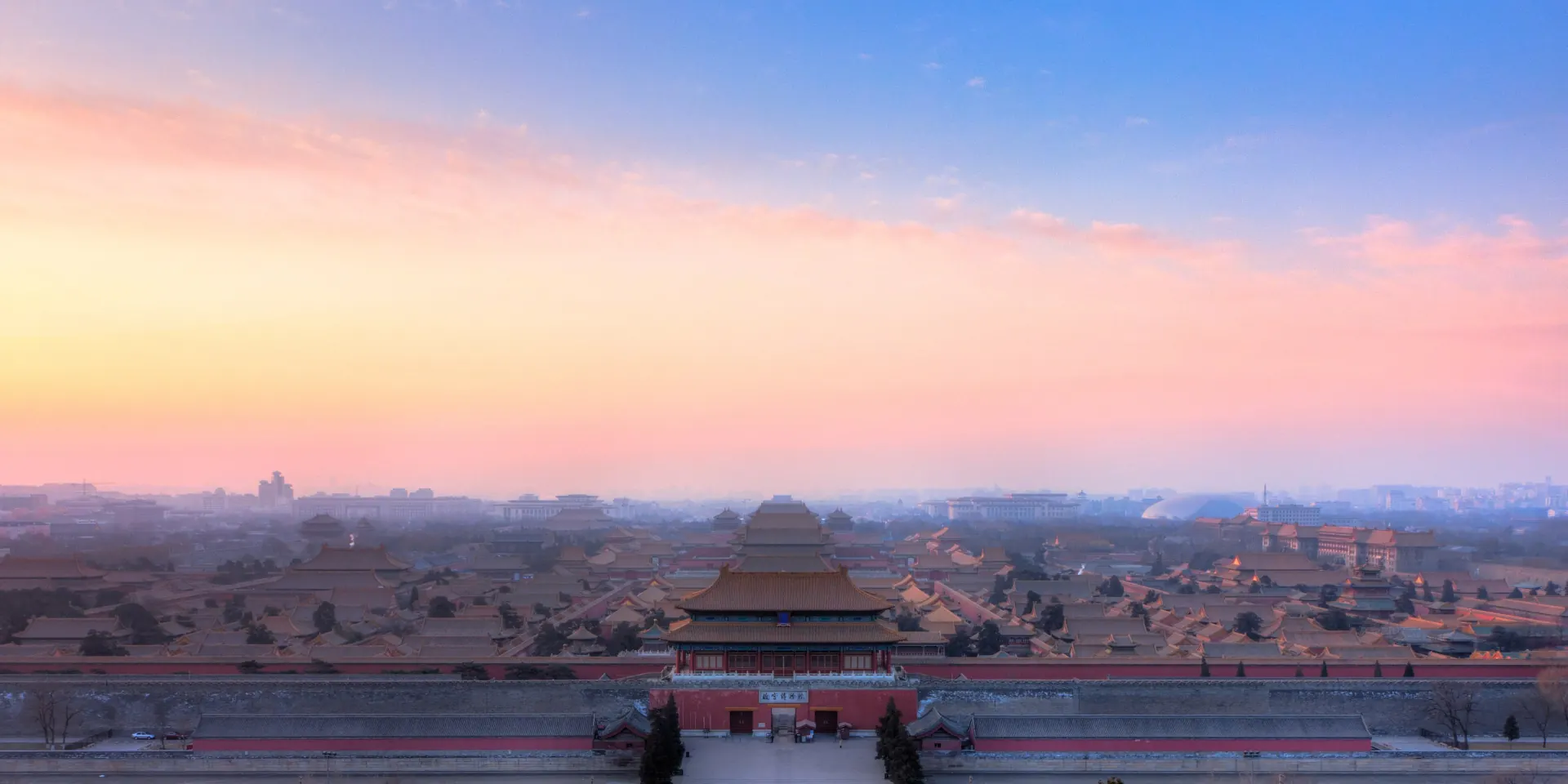
Editorial image for Beijing, Hangzhou, and Shanghai Itinerary: How Many Days and What Order?: Beijing Hangzhou Shanghai cultural itinerary

Answer guideStart with clarity

Short answer

Short Answer

A Beijing, Hangzhou, and Shanghai itinerary usually works best over 10 to 14 days, in that order. A balanced first route might allow four or five days in Beijing, three days in Hangzhou, and three or four days in Shanghai, with the remaining time used for arrival, departure, or a slower transition. The sequence moves from imperial and historical context to tea and landscape, then to contemporary urban China.

A 10–14 Day Beijing, Hangzhou, and Shanghai Route

Begin with four or five days in Beijing. The Forbidden City, Temple of Heaven, the Great Wall, and a carefully chosen hutong experience establish the scale of imperial history while also showing how the capital is lived at neighborhood level.

Continue with roughly three days in Hangzhou. West Lake, Longjing tea country, gardens, and quieter cultural encounters deliberately reduce the tempo after Beijing. Hangzhou is not filler between two larger cities; it gives the route contrast and room to absorb what came before.

Finish with three or four days in Shanghai. Historic neighborhoods, the Bund, contemporary design, food, and urban life bring the traveler into present-day China. Ending here makes the route feel cumulative: history and aesthetic tradition remain visible inside a modern city rather than being left behind.

Ten days is a focused version of the route. Twelve to fourteen days allows more unstructured time, deeper neighborhood visits, and less pressure around transfers. Travelers with fewer than ten days should normally reduce the number of cities instead of compressing all three.


Supporting image 1 for Beijing, Hangzhou, and Shanghai Itinerary: How Many Days and What Order?: hangzhou, west-lake, lake in China
A supporting image chosen to reinforce atmosphere, texture, and cultural clarity.

A practical 12-day route example

Days 1 to 4: Beijing, including arrival recovery, the imperial axis, one Great Wall day, and a hutong or contemporary neighborhood day. Day 5: travel to Hangzhou. Days 6 and 7: West Lake, Longjing tea country, and a slower cultural day. Day 8: travel to Shanghai. Days 9 to 11: historic urban texture, contemporary design, food, and flexible neighborhood time. Day 12: departure or an additional Shanghai morning, depending on the flight.

This is a planning example, not a fixed package. Hotel location, rail timing, seasonal conditions, closures, and the traveler's energy determine the final order of individual visits.

When to change the city order

Reverse the route when international flights make Shanghai the more efficient arrival point, or when the traveler prefers to begin with an easier urban landing. Keep Hangzhou between Beijing and Shanghai when possible because it functions as a decompression chapter rather than a detached side trip.

Replace Hangzhou with Xi'an when dynastic history and archaeology matter more than tea, landscape, and aesthetic pacing. Add a fourth city only when the trip is closer to 14 days and the new stop answers a specific interest rather than a fear of missing out.

The tradeoffs to decide before requesting a quote

Choose between a focused 10-day route and a calmer 12- to 14-day route; decide whether hotel character or location matters more in each city; and identify which visits need private interpretation. These choices shape both price and daily energy.

For first-time visitors, we normally protect arrival recovery, avoid one-night stops, and keep full touring off major transfer days. Removing one experience is often better than turning three good cities into a continuous sprint.

Named people, written responsibilities

Why this route recommendation is accountable

The recommendation is tied to named designers, a specific route logic, and explicit tradeoffs rather than a generic three-city package.

Zoe, founder of Limina China, during route research in the Chinese grasslands
ZoeFounder and route design lead
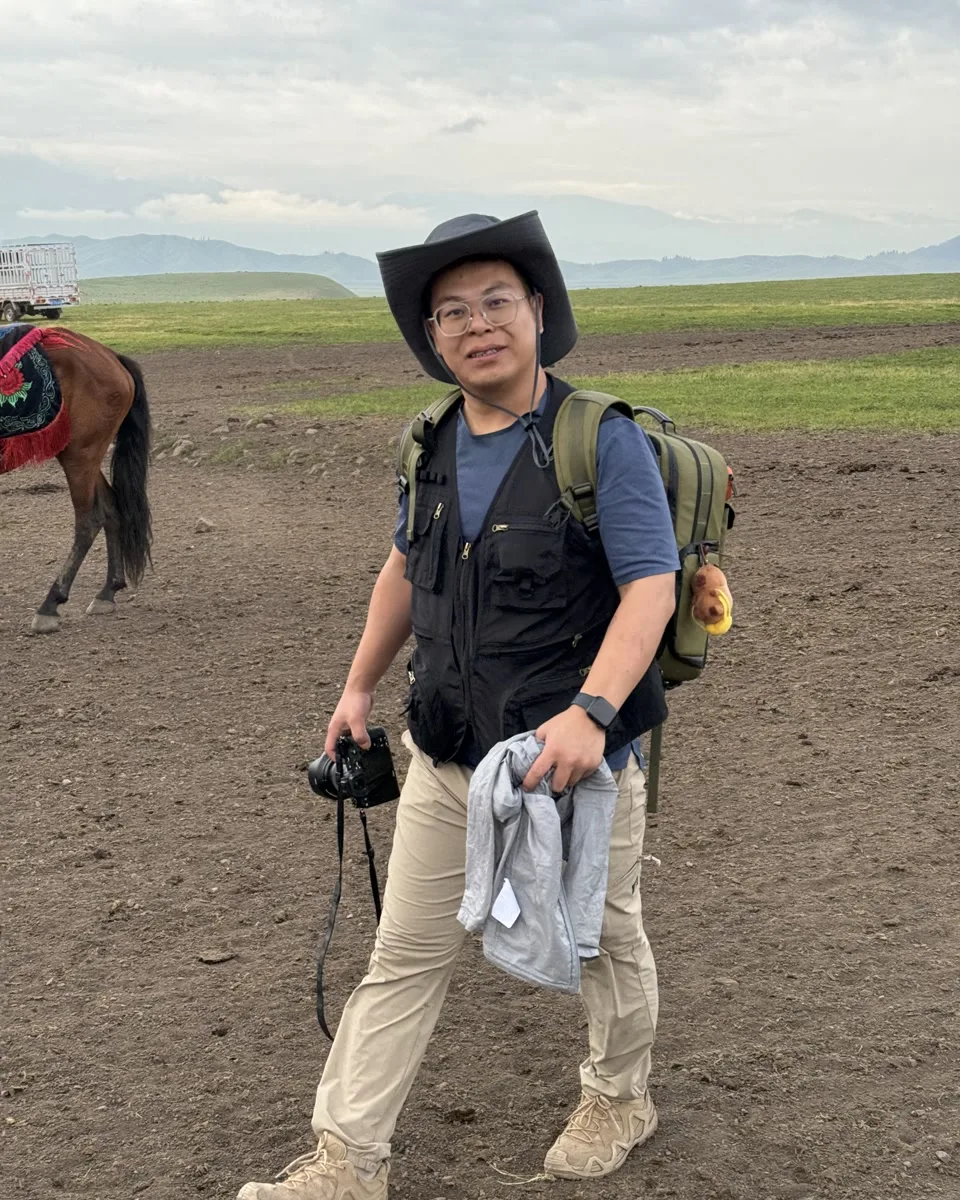
Patrick, co-founder of Limina China, carrying a camera during route research in the Chinese grasslands
PatrickBeijing-based travel experience lead
Route design
Zoe leads the sequence and pacing, deciding how Beijing's historical scale, Hangzhou's tea and landscape, and Shanghai's contemporary life should interpret one another.
Local delivery
Patrick is based in Beijing and leads hotel and supplier coordination and booking across the journey.
What changes
Dates, flights, hotel availability, mobility, interests, and seasonal conditions can change the day-by-day order; the three-city logic remains the starting framework, not a fixed promise.
What we protect
Arrival recovery, realistic transfer time, a slower middle chapter, and direct access to both founders during the trip.

Who This Is For

  • First-time travelers with 10 to 14 days who want one route to hold both culture and contemporary China.
  • Visitors drawn to tea, architecture, design, history, and urban life together.
  • Travelers who want coherence rather than maximum symbolic coverage.

What Limina China Does Differently

  • We design this route as a progression in perception, not just a sequence of cities.
  • Hangzhou is treated as more than a scenic stop; it changes the rhythm of the whole trip.
  • Shanghai is framed as modern cultural logic, not just skyline glamour.

Private journey design

The right China route starts with fit, not volume.

If this answer matches the kind of China you want to experience, we can shape a private journey around rhythm, cultural context, and deeper coherence.

Frequently Asked Questions

Is this one of the strongest first-time routes?

For many culturally curious travelers, yes, because it balances history, atmosphere, and modernity without overextending the trip.

Should Xi’an replace one of these cities?

Sometimes, depending on whether dynastic history matters more than Hangzhou’s aesthetic pacing or Shanghai’s modern relevance.

How many days do you need for Beijing, Hangzhou, and Shanghai?

Allow 10 days for a focused itinerary or 12 to 14 days for a calmer route. A useful starting point is four or five days in Beijing, three in Hangzhou, and three or four in Shanghai.

What is the best order for Beijing, Hangzhou, and Shanghai?

Beijing, then Hangzhou, then Shanghai creates the clearest cultural progression: imperial history first, tea and landscape second, and contemporary urban China last. The reverse direction can also work when international flights make it more practical.

Can this route still feel luxurious?

Yes. It is especially strong when luxury is used to support calm transitions and stronger interpretation.

Why is Hangzhou so important here?

Because it changes the internal pace of the traveler, making the rest of the journey more resonant.

Plan Your Journey

If you are looking for a private, story-led way to experience China, Limina China can help shape a journey around your interests, pace, and point of view.

Plan Your Journey