Bespoke cultural travel in China
What bespoke cultural travel in China actually means
It is not simply a private itinerary. It is a journey designed around meaning, perspective, and the kind of encounter a traveler is truly seeking.
Bespoke cultural travel in China means more than customizing hotels, destinations, or pacing. At its best, it means shaping the entire journey around a traveler’s curiosity, sensibility, and way of seeing, so the experience becomes not only comfortable and well organized, but coherent, interpretive, and deeply personal.

Direct answer
A short answer
A bespoke cultural journey is not a standard route with a few personalized adjustments. It is a travel experience designed from the traveler outward. That includes not only where you go, but why those places belong together, what kind of cultural depth you are seeking, and how the journey should feel as it unfolds.
What makes it bespoke
It begins with the traveler
The process starts with the traveler’s interests, pace, aesthetic preferences, and deeper reason for going to China in the first place.
It is designed around meaning
The strongest journeys are held together by an idea, a mood, or a narrative arc, not only by logistics.
It values interpretation
A cultural journey becomes richer when places are not only visited, but understood in context: historically, aesthetically, socially, and emotionally.
It respects rhythm
A bespoke experience pays attention to pacing, contrast, stillness, movement, and the emotional texture of travel.
It is not generic luxury
Luxury may be present, but comfort alone is not the defining feature. What matters is whether the experience feels intentional, intelligent, and alive.
Why China asks for more than a standard itinerary
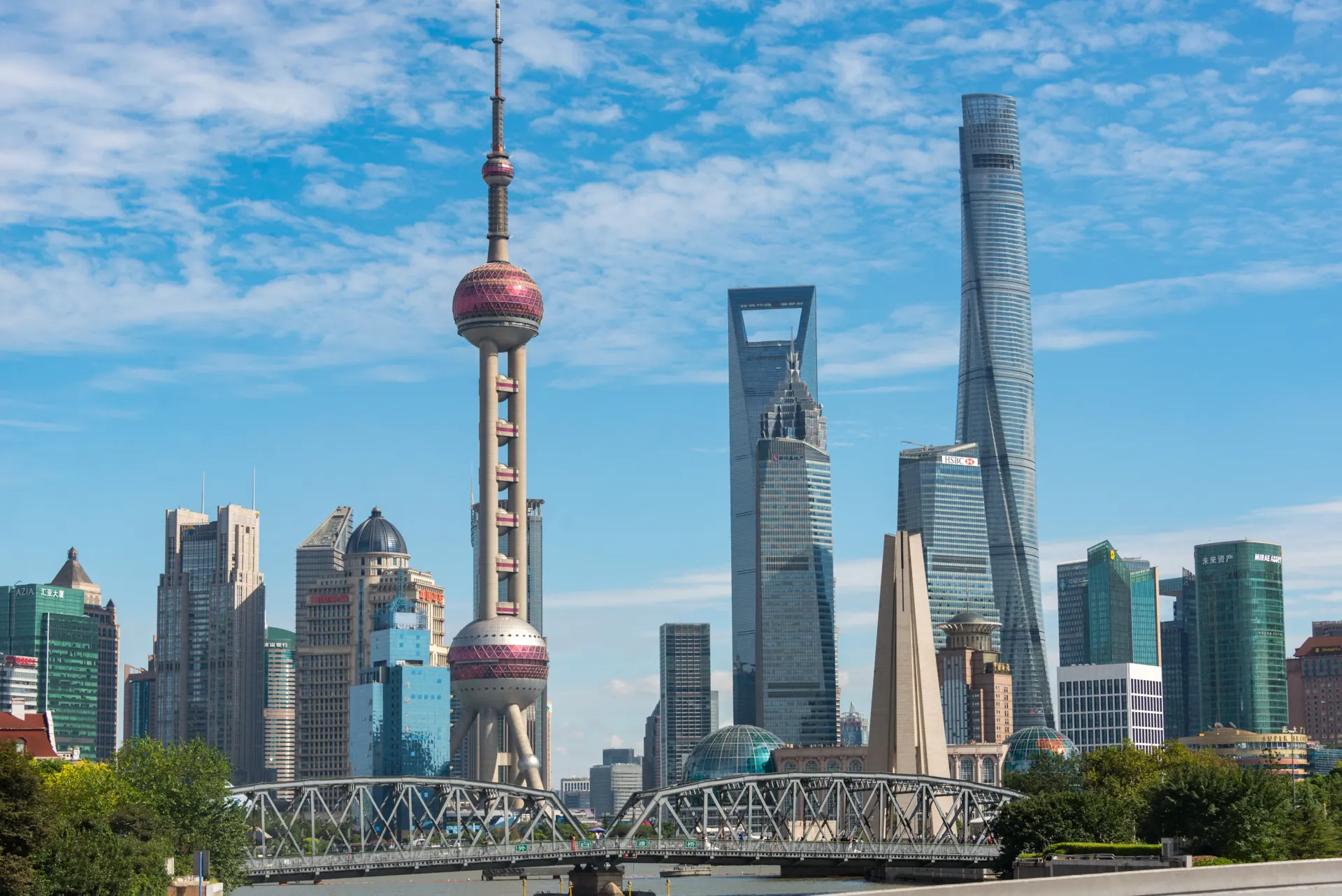
China is not difficult only because it is large. It is complex because it contains multiple realities at once: ancient and futuristic, quiet and kinetic, ceremonial and hyper-modern, local and global. A traveler can pass through it quickly and still understand very little. Why Limina explains why interpretation, not only access, sits at the center of that experience.
That is why China rewards journeys built with stronger interpretation and sharper narrative logic. Without that, even beautiful travel can remain superficial.
The route matters less than the relationship between its parts.
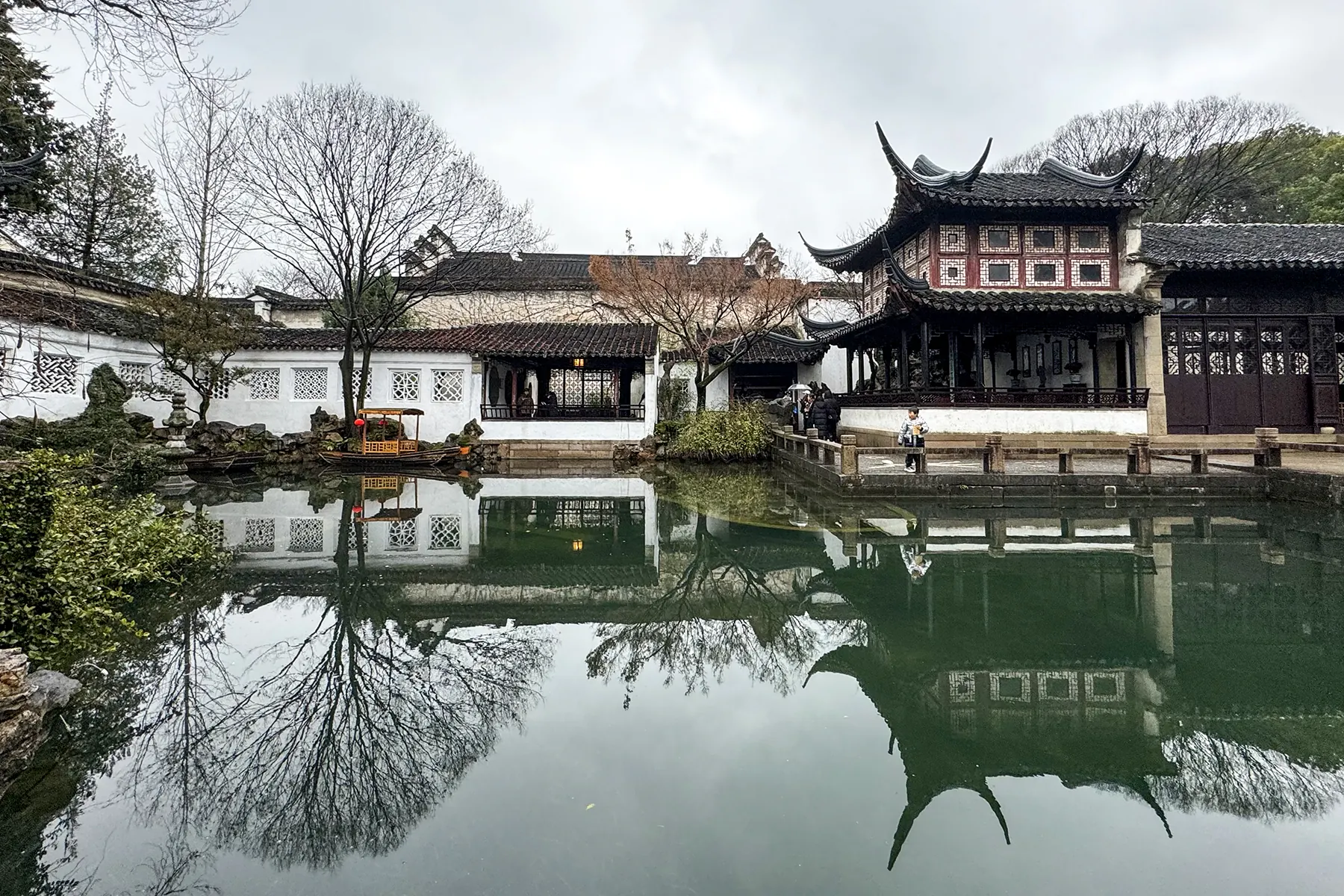
Architecture, ritual, atmosphere, food, pace, and modern life begin to feel memorable when they explain one another, rather than arriving as isolated highlights.
What feels bespoke is often not more access, but stronger coherence.
For a sharper search-led version of the same distinction, read private cultural tours in China.
That idea sits at the center of Why Limina and is explored further in How Limina Designs a Journey.
What a bespoke cultural journey can include
Ritual and lived tradition
Tea, temple space, craft, food culture, local customs, and forms of everyday meaning that are easy to miss without guidance.
Aesthetic depth
Architecture, gardens, objects, atmosphere, framing, and the visual intelligence of place.
Modern China in motion
Contemporary design, urban tempo, creative industries, social change, technology, and the fast-moving systems that shape modern life.
Intellectual and emotional coherence
The journey is designed so each element belongs to a larger whole, rather than feeling like a collection of disconnected highlights.
Who this is for
The culturally curious traveler
You want to encounter China through depth, texture, and lived meaning rather than sightseeing alone.
The discerning traveler
You value comfort and refinement, but you also want the experience to have substance and perspective.
The founder, thinker, or intellectually engaged traveler
You are interested in how culture, history, and modern systems interact beneath the visible surface.
The creator, photographer, or artist
You want visual atmosphere, human detail, and a journey that feels emotionally and aesthetically composed.
How Limina thinks about bespoke cultural travel
For Limina, bespoke cultural travel is not about adding more options. It is about designing a stronger point of view.
That means asking better questions at the start, building the journey around a deeper theme, and shaping an experience where culture is not reduced to spectacle. The traveler should feel not only well taken care of, but more awake to what they are encountering. The brand rationale is set out more directly on Why Limina.
What this is not
It is not a mass-market group tour with premium styling. It is not a checklist of “must-see” locations arranged for convenience. It is not luxury detached from context. And it is not a travel experience built only for photographs.
A bespoke cultural journey should leave the traveler with more than polished impressions. It should leave them with understanding, feeling, and a more nuanced memory of the country. If you are drawn more by lived tradition or by modern systems, start with Cultural Seekers or Founders and Thinkers.
Selection
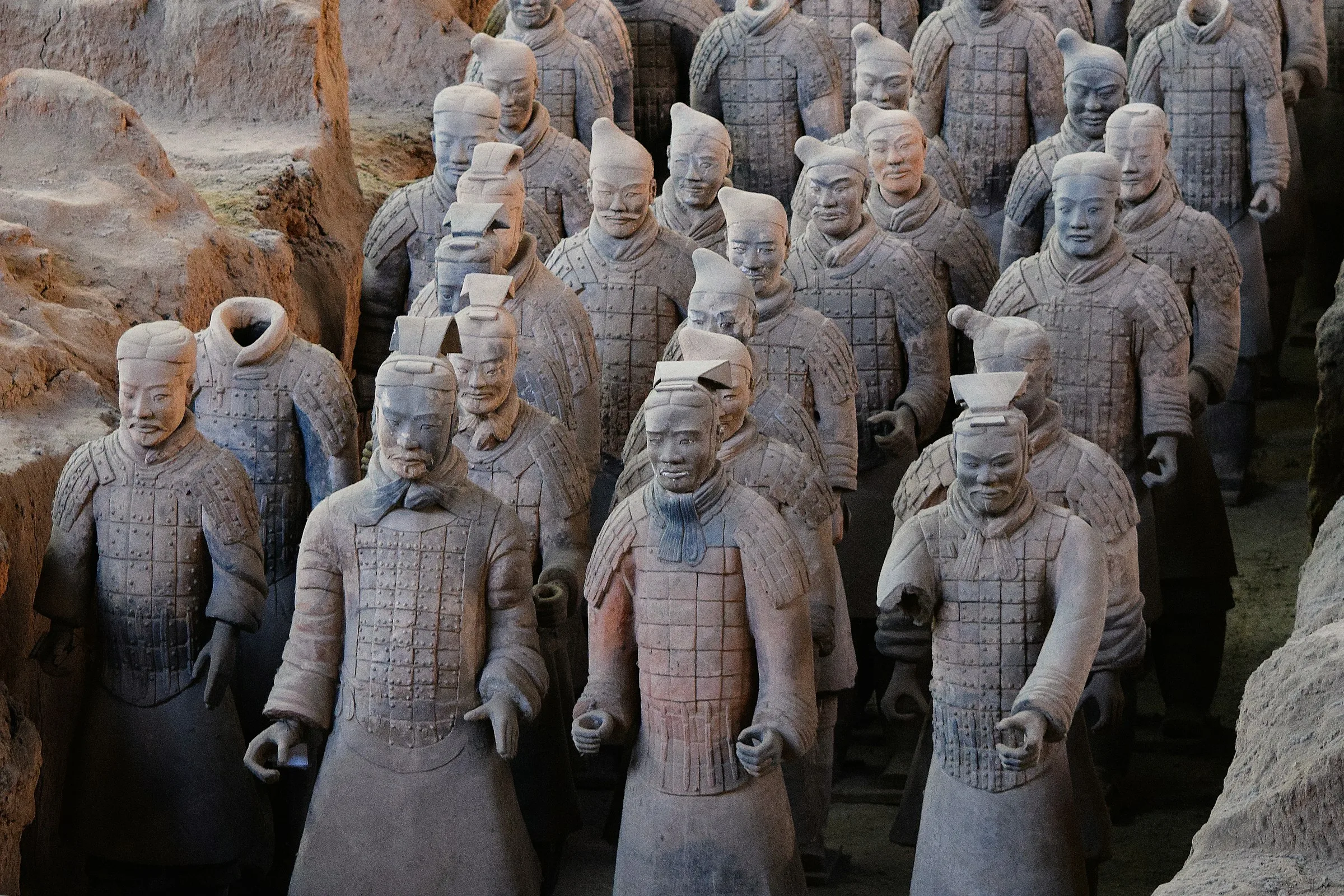
Depth usually comes from what is connected well, not from what is included in bulk.
The most memorable journeys often feel edited rather than expanded. Each place carries more weight because it belongs.
That same selection logic also sits behind when to visit China for culture and how to experience real Chinese culture.
Frequently asked questions
Does bespoke cultural travel simply mean a private tour?
No. A private tour may still follow a generic format. Bespoke cultural travel means the journey is intentionally designed around the traveler’s perspective, questions, and desired depth of experience.
Is bespoke travel only about luxury?
No. Comfort and refinement matter, but they are not enough on their own. The deeper value lies in meaning, context, rhythm, and interpretation.
Why is this especially important in China?
Because China is culturally layered and internally diverse. A standard itinerary can show places, but it often cannot explain how those places connect to the broader experience of the country.
Can a first-time traveler choose this kind of journey?
Yes. In many cases, first-time travelers benefit most from a journey with strong narrative structure and cultural framing.
How is Limina’s approach different?
Limina designs journeys as lived narratives, balancing beauty, cultural intelligence, emotional rhythm, and the traveler’s personal point of view.
Related journeys and ideas
Explore journeys and essays that show how China can be experienced through story, context, and a more thoughtful form of travel.