Theme
For Founders and Thinkers
A journey into China through systems, speed, adaptation, and the cultural logic behind modern life.
Some travelers come to China not only for beauty or heritage, but to understand how the country moves. They want to feel the urban tempo, observe the social systems, notice the design of everyday life, and build a more grounded sense of modern China beyond headlines, abstractions, or business clichés.
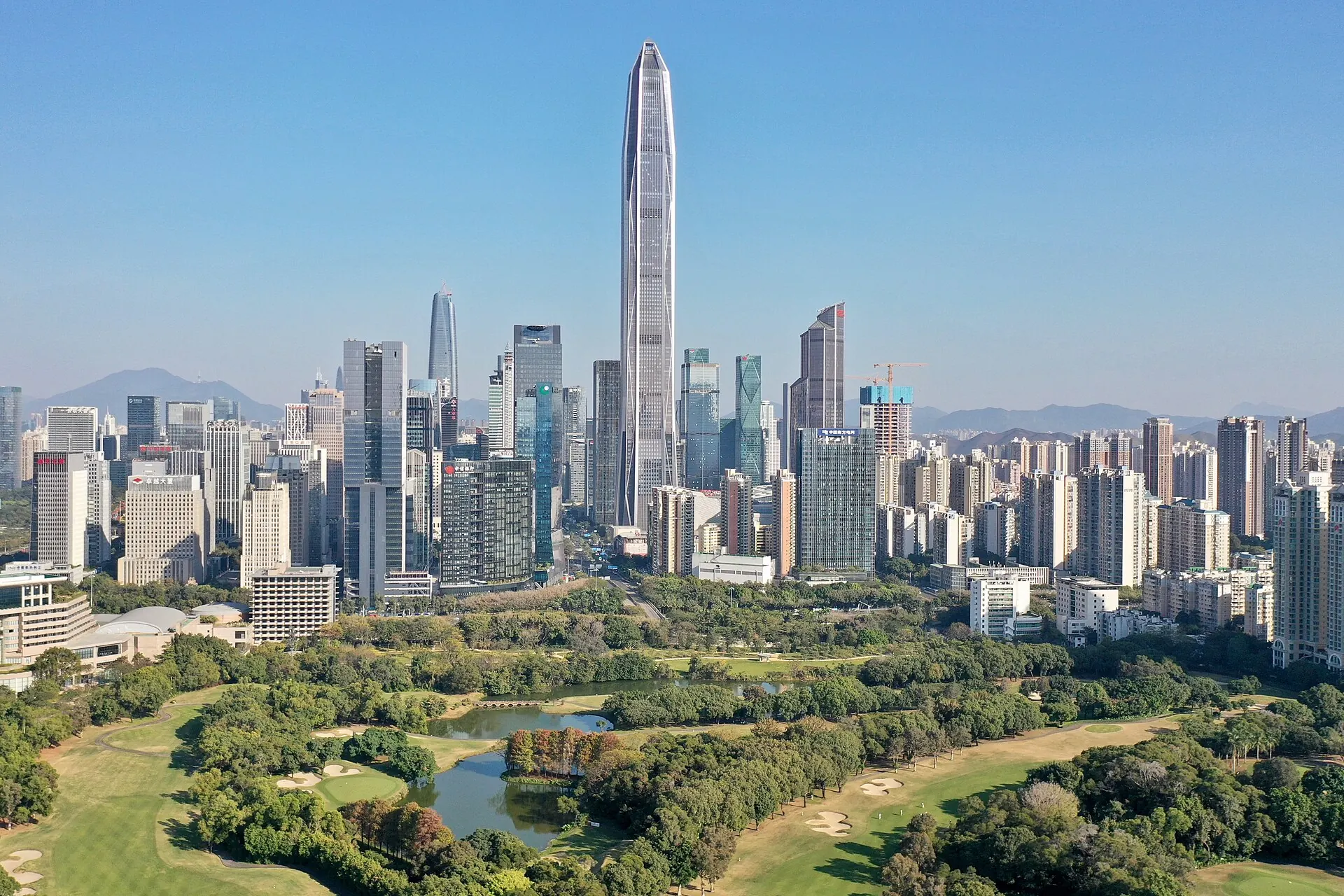

Direct framing
What this theme is about
This theme is for travelers who are intellectually curious about how China functions as a living system. It is not a formal business tour. It is a sharper, more interpretive way of encountering modern China through movement, observation, context, and conversation. It often overlaps with the meeting point between ancient wisdom and modern China.
What this kind of journey can include
Urban tempo
The feeling of speed, coordination, density, and adaptation that shapes everyday life in modern Chinese cities.
Systems in motion
Infrastructure, logistics, platform behavior, public scale, and the operational intelligence embedded in ordinary life.
Consumer and design culture
Retail imagination, contemporary aesthetics, product logic, and the cultural signals embedded in brands, spaces, and experiences.
Modernity with historical depth
A more complete understanding of China emerges when present-day dynamism is seen in relation to inherited habits of thought, value, and social structure.
Observation with interpretation
The goal is not just to notice what is different, but to understand why certain patterns exist and what they reveal.
Who this is for
Founders and operators
You are interested in how systems scale, adapt, and express themselves in the real world.
Investors and strategic minds
You want a more grounded and textured understanding of China than news cycles or slide decks can provide.
Intellectually curious travelers
You are drawn to modernity, contradiction, and the cultural logic beneath visible behavior.
Travelers who want both aesthetics and insight
You want the journey to feel visually compelling and conceptually sharp at the same time.
How Limina designs journeys for modern China
For founders and thinkers, Limina designs journeys that make modern China more legible without flattening its complexity. The goal is not to turn travel into analysis. It is to create the right conditions for perception.
That may mean combining urban movement with reflective contrast, consumer environments with cultural framing, and contemporary observation with deeper historical context, so the traveler leaves with more pattern recognition, not just more impressions. If you want to see how that becomes an itinerary, read How It Works. If you want the wider brand rationale first, start with Why Limina.
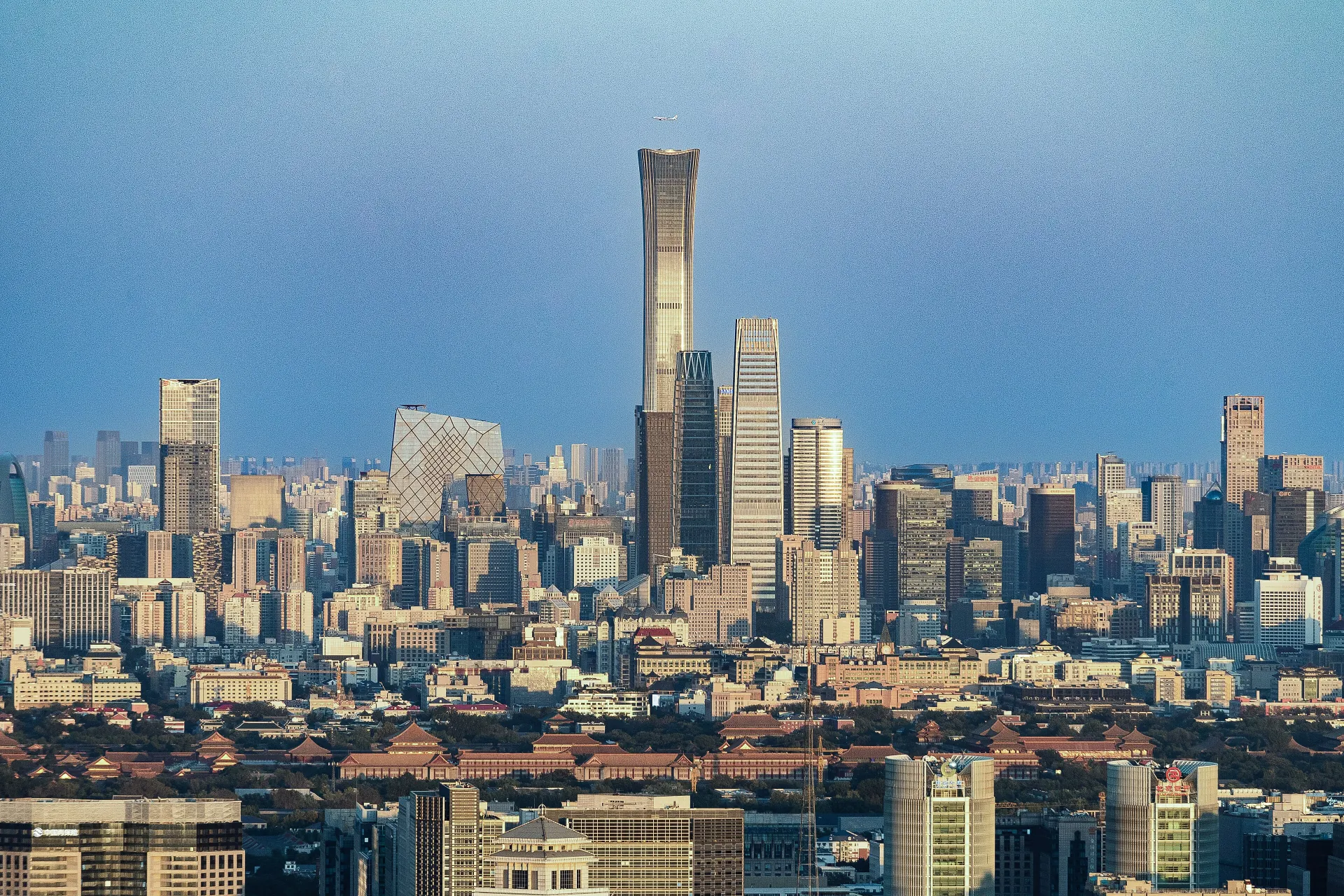
Observation
Modern China is often understood best through patterns that reveal themselves in motion.
The strongest routes do not overload the traveler with examples. They create enough contrast for systems, design, and lived behavior to become readable.
Frequently asked questions
Quick answers for travelers considering a sharper, more interpretive way of reading modern China.
Is this a business tour?
No. It is better understood as a culturally intelligent journey for travelers who want to understand modern China with more depth and clarity.
Do I need a professional reason to choose this theme?
No. This theme also suits intellectually curious travelers who are interested in systems, cities, design, and social change.
Will this only focus on big cities?
Not necessarily. Cities often play an important role, but the strongest journeys balance modern observation with contrast, context, and broader cultural perspective.
Can this be combined with traditional cultural experiences?
Yes. In fact, the meeting point between ancient wisdom and modern systems is often where the journey becomes most meaningful.