Limina China

Creative China

China for creators: atmosphere, texture, and the visual language of place

Some journeys are remembered for where they went. Others are remembered for how they taught the traveler to see.

For creators, photographers, artists, designers, and visually sensitive travelers, China can be an unusually rich field of perception. Not only because it is visually dramatic, but because it holds so many different kinds of visual intelligence at once: ritual and velocity, stone and neon, restraint and density, softness and spectacle.

Hands holding an embroidery hoop with colorful stitched patterns
A small tea set on a wooden display with careful composition and detail
Editorial note The strongest creative journeys are built around perception, not only photogenic places.

Introduction

Visual travel is also a way of understanding.

A creative journey is not only about collecting images. It is about entering a place through atmosphere, material contrast, and the subtle ways attention is trained by architecture, gesture, weather, objects, and rhythm.

That is why this piece belongs naturally beside For Creators and Artists, the broader Themes hub, and the inquiry path where visual intuition can become a stronger journey design.

In brief

A short answer

China can be especially powerful for creators because it offers atmosphere, material contrast, human texture, and a visual dialogue between old and new that is difficult to flatten into a single style. The strongest creative journeys are not built only around photogenic places, but around perception itself.

What creators often notice

Texture

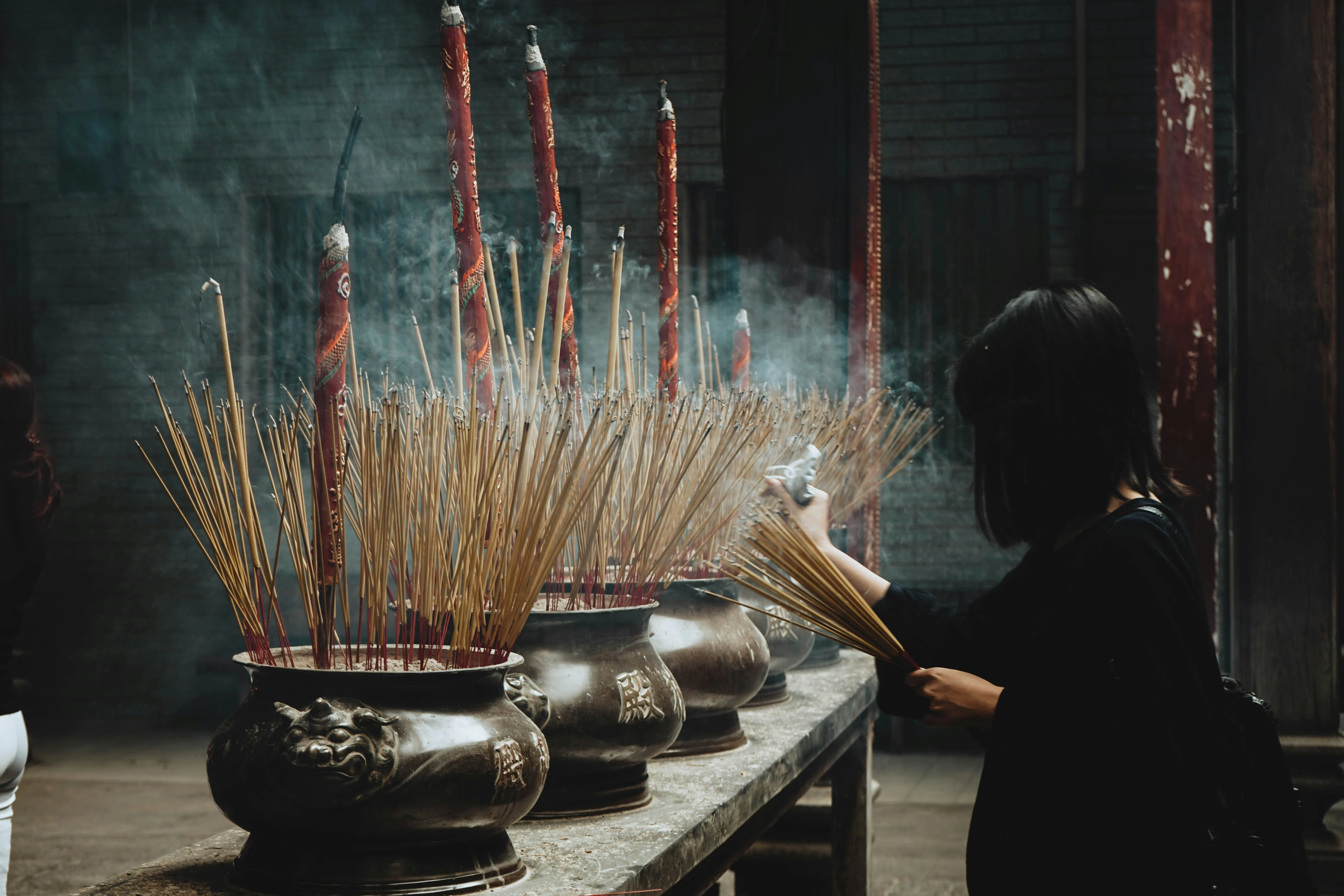
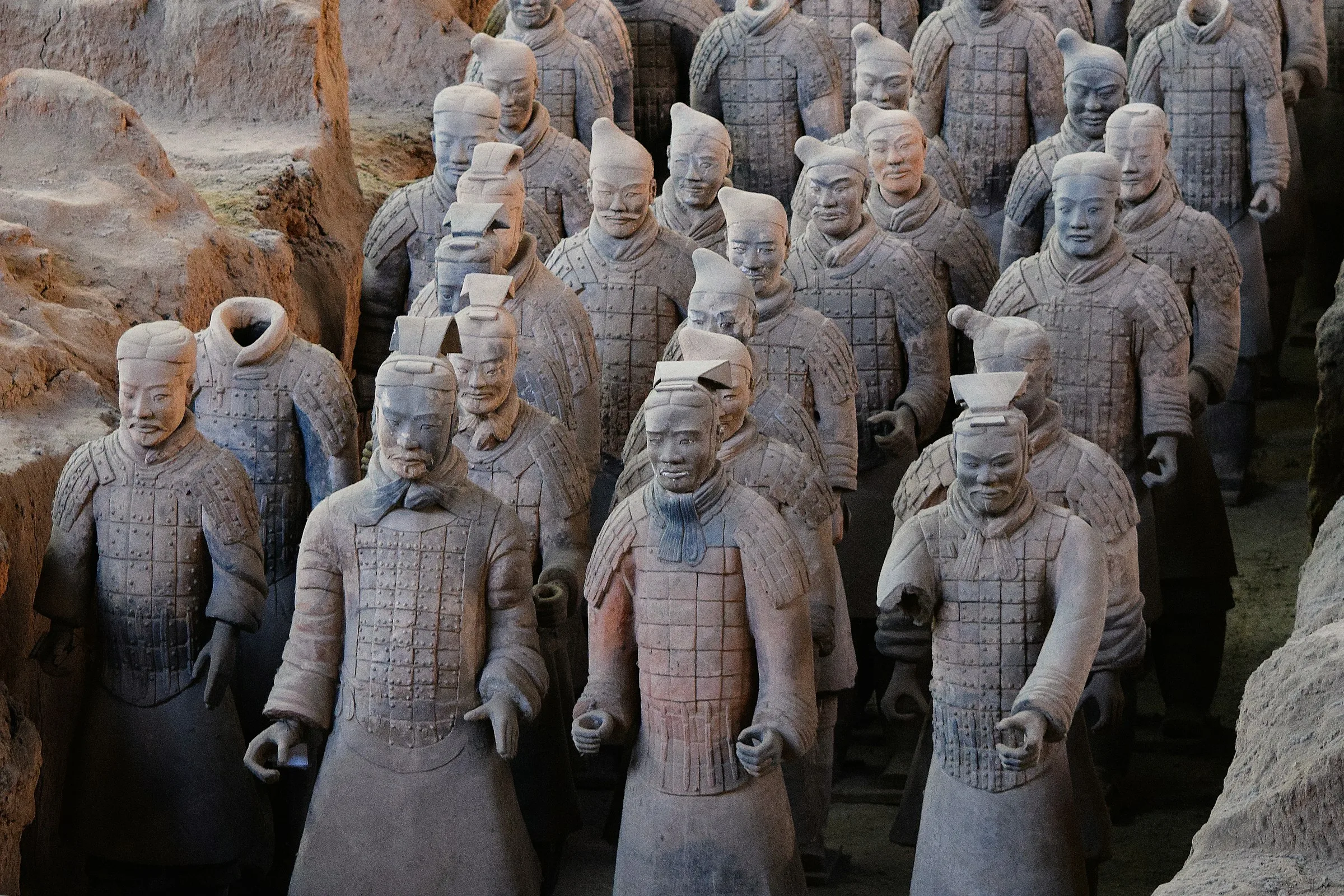
Stone, steam, paper, lacquer, fabric, weathered wood, polished surfaces, food, mist, and shadow.

Rhythm

The spacing between things, the repetition of gestures, and the shift between density and emptiness.

Atmosphere

The emotional tone of a courtyard, a market, a tea room, a street at dusk, or a station in motion.

Contrast

Old and new, ornate and minimal, sacred and commercial, still and accelerated.

Framing

Thresholds, edges, reflections, openings, and how one scene leads into another.

Why this is more than aesthetic tourism

A creative journey is not only about collecting beautiful images. It is about entering a place through deeper visual and sensory intelligence.

The strongest visual experiences are rarely detached from culture. They emerge from material choices, rituals, architecture, movement, hospitality, season, and social behavior. To perceive well is also, in some sense, to understand more deeply.

How journey design shapes creative perception

A visually rich trip can still feel thin if it moves too quickly or lacks emotional rhythm. Creators often need time to absorb, return, compare, and notice subtle shifts in mood or form.

This is why pacing matters. So does contrast. A creative journey should hold intensity and release, iconic spaces and overlooked details, visual drama and quiet intervals in which perception deepens.

How Limina designs for creators

For creators and artists, Limina designs journeys that treat atmosphere, framing, rhythm, and cultural context as part of the experience itself. The goal is not to send the traveler through a sequence of images. It is to shape an encounter that sharpens perception.

That may mean choosing fewer spaces more carefully, balancing traditional and contemporary visual environments, and creating a journey that feels visually alive without becoming a checklist of surfaces.

A creative journey becomes stronger when the traveler is given time not only to look, but to notice.

That is why atmosphere, pacing, and cultural context often matter as much as the image itself.

FAQ

Frequently asked questions

Is this only for professional creatives?

No. It also suits travelers who move through the world with strong visual, sensory, or atmospheric sensitivity.

Will a creative journey only focus on beautiful places?

No. Beauty matters, but so do tension, texture, rhythm, and lived human detail.

Can creators still benefit from cultural interpretation?

Absolutely. Context often deepens visual perception rather than limiting it.

Why is China especially compelling for creators?

Because it contains an unusual density of contrast, material richness, and visual dialogue between cultural memory and modern reinvention.

How does Limina approach this differently?

Limina designs creative journeys around perception, atmosphere, and emotional rhythm, not only image collection.

Inquiry

Travel with a more attentive eye.

If you want to experience China through atmosphere, texture, and deeper creative perception, we would be glad to design that journey with you.

I want the journey to feel visually rich, emotionally resonant, and more attentive.
I want atmosphere and interpretation to work together, not compete.