Limina China

Cultural Journeys / Editorial Essay

Why tea, ritual, and pacing change the way a journey feels

Meaningful travel is shaped not only by where you go, but by the forms of attention the journey teaches you to enter.

Some parts of travel are easy to describe. Cities. Sites. Hotels. Food. Routes. Other parts are harder to explain, though often more decisive. One of those is pacing: the emotional and perceptual rhythm of a journey. In China, practices such as tea, ritual, and forms of deliberate slowing can alter that rhythm in powerful ways.

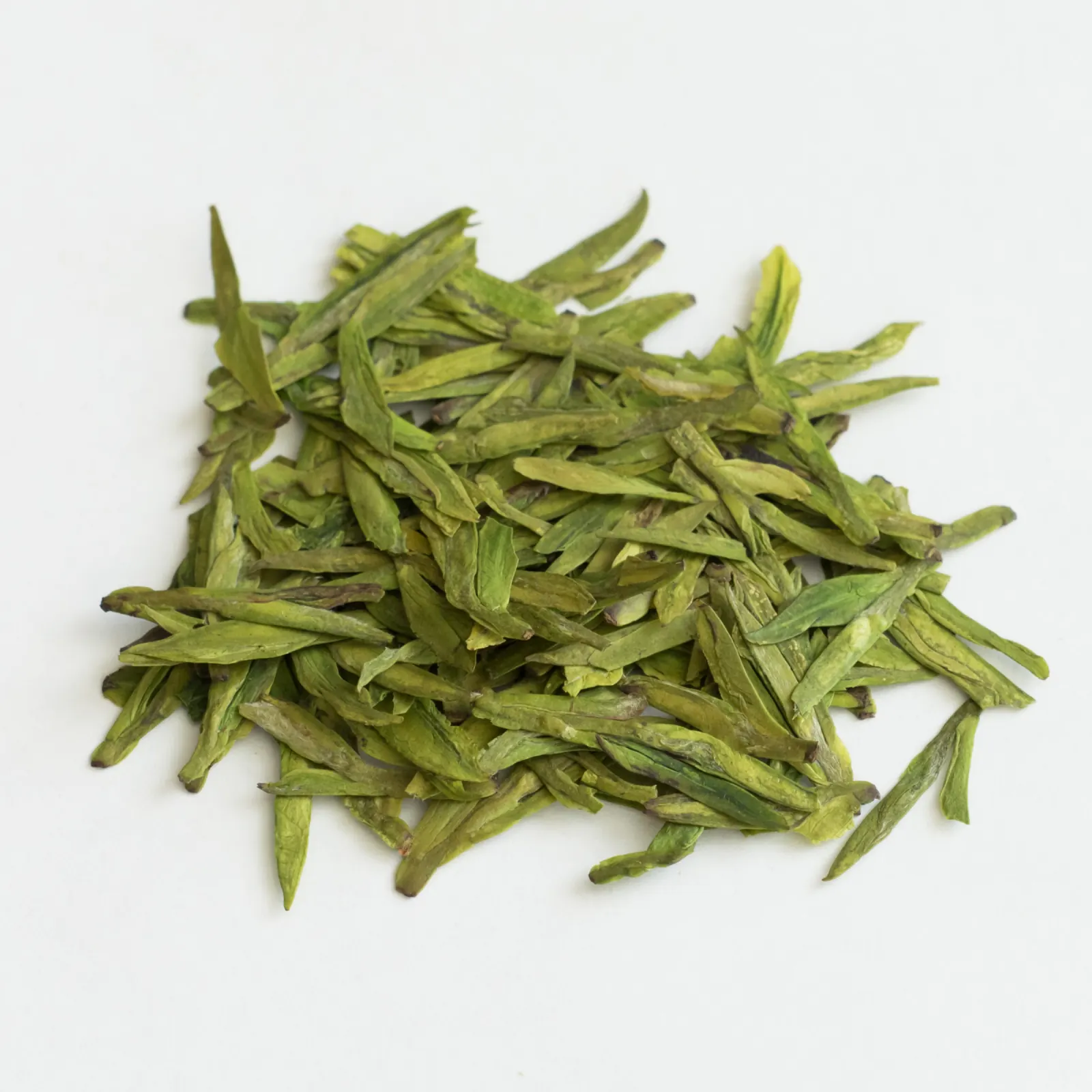
Hand pouring tea into small cups during a quiet tea ritual
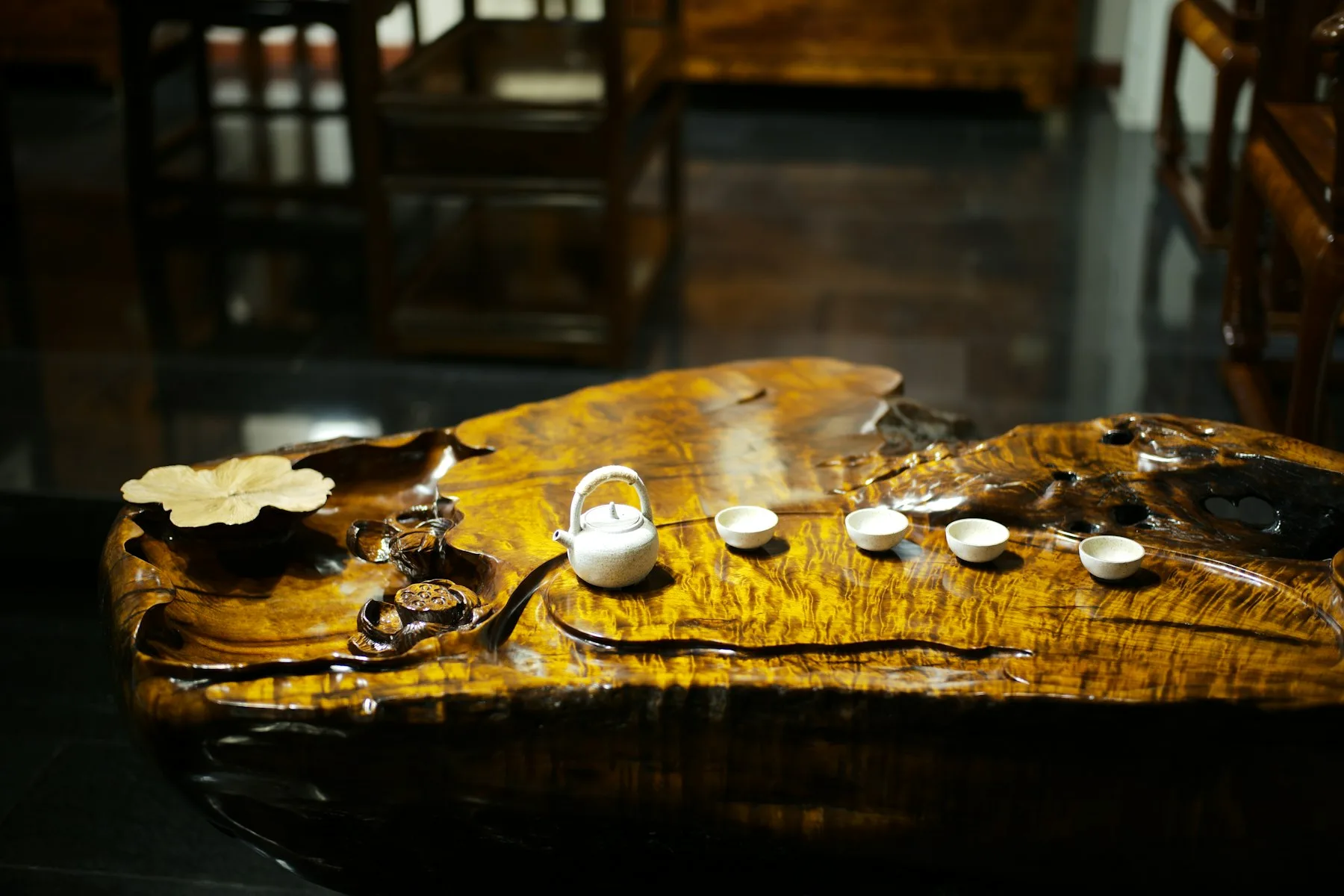
A miniature tea set displayed on wood, emphasizing ritual and detail
Editorial note Ritual does not only add atmosphere. It changes what the traveler is able to notice.

Introduction

Why pacing is often undervalued

Many itineraries treat movement as the primary sign of value. More places, more activity, more output. But a trip can be full without being meaningful.

Pacing determines whether the traveler has enough internal space to actually receive what the journey offers. Without that, even beautiful experiences can blur together.

In brief

A short answer

Tea, ritual, and pacing matter because they change how a traveler perceives. They create spaces of attention, transition, and emotional reset. In a country as layered and intense as China, these quieter forms of experience can make the whole journey feel deeper, clearer, and more coherent.

What tea and ritual actually do

They slow perception

A tea space or a small ritual shifts the traveler out of transit-mode and into attention.

They create transition

Ritual helps one part of the day release before another begins. This is especially powerful in a layered itinerary.

They deepen atmosphere

These practices change the felt texture of travel, not only the visible content.

They reveal cultural logic

Tea and ritual are not decorative extras. They often embody values around time, hospitality, gesture, and presence.

They restore coherence

In fast-moving journeys, quieter experiences can gather meaning and return the traveler to themselves.

Why this matters especially in China

China contains extraordinary scale, density, and variation. The traveler is often moving between worlds: old and new, quiet and kinetic, intimate and monumental.

Tea, ritual, and pacing can help those worlds connect. They become less like interruptions and more like thresholds between one mode of seeing and another, which is part of what makes travel as threshold such a useful way to think about meaningful travel.

What this changes for the traveler

A journey shaped with stronger pacing feels less extractive. It is not only about collecting experiences, but about allowing them to take root.

That shift often changes memory. Travelers may forget sequences of landmarks, but they often remember the room where time slowed, the tea that altered the rhythm of a day, the gesture that made a place feel suddenly legible.

Some journeys become memorable because the pace changes before the scenery does.

Tea, ritual, and stillness often give the traveler the internal room required for the rest of the journey to land.

FAQ

Frequently asked questions

These are the questions that usually sit underneath this more atmospheric part of journey design.

Is tea culture only relevant for travelers already interested in tradition?

No. Even travelers with no prior knowledge often find that tea changes the tempo and emotional tone of a journey.

Does ritual make a trip feel overly formal?

Not necessarily. In many cases, ritual creates ease rather than rigidity by giving shape and presence to the experience.

Why is pacing so important in travel?

Because pacing affects perception. A journey that moves too quickly can flatten even the richest cultural encounters.

Can slower elements fit into a modern China itinerary?

Yes. In fact, contrast between speed and stillness often makes both more meaningful.

How does Limina use these elements in journey design?

Limina uses tea, ritual, and pacing as part of journey design, helping experiences feel coherent, culturally alive, and emotionally resonant.

Inquiry

Travel with a different rhythm.

If you want your journey to China to feel not only beautiful, but deeply held in time, we would be glad to design it with you.

I want the trip to include atmosphere, ritual, and enough space for cultural meaning to register.
I want the journey to feel shaped from within, not only organized from the outside.