Landmark guide

Xidi Village: Why Anhui Village Culture Matters in a Slower China Journey

Xidi matters because it gives travelers another way to feel the Huangshan region through village rhythm rather than mountain scale. Lanes, white walls, carved detail, and slower domestic atmosphere reveal a more inhabitable and socially textured side of Anhui culture. For cultural travelers, Xidi helps turn the region from scenic memory into a fuller way of understanding place.

Regional journeys often become more meaningful when landscape is paired with lived architecture. Xidi offers that second register clearly.

This page belongs inside the broader Huangshan for Cultural Travelers: Mountain Atmosphere, Ink-Painting Scale, and Slower Perception guide, where this landmark is placed inside a more coherent city rhythm.

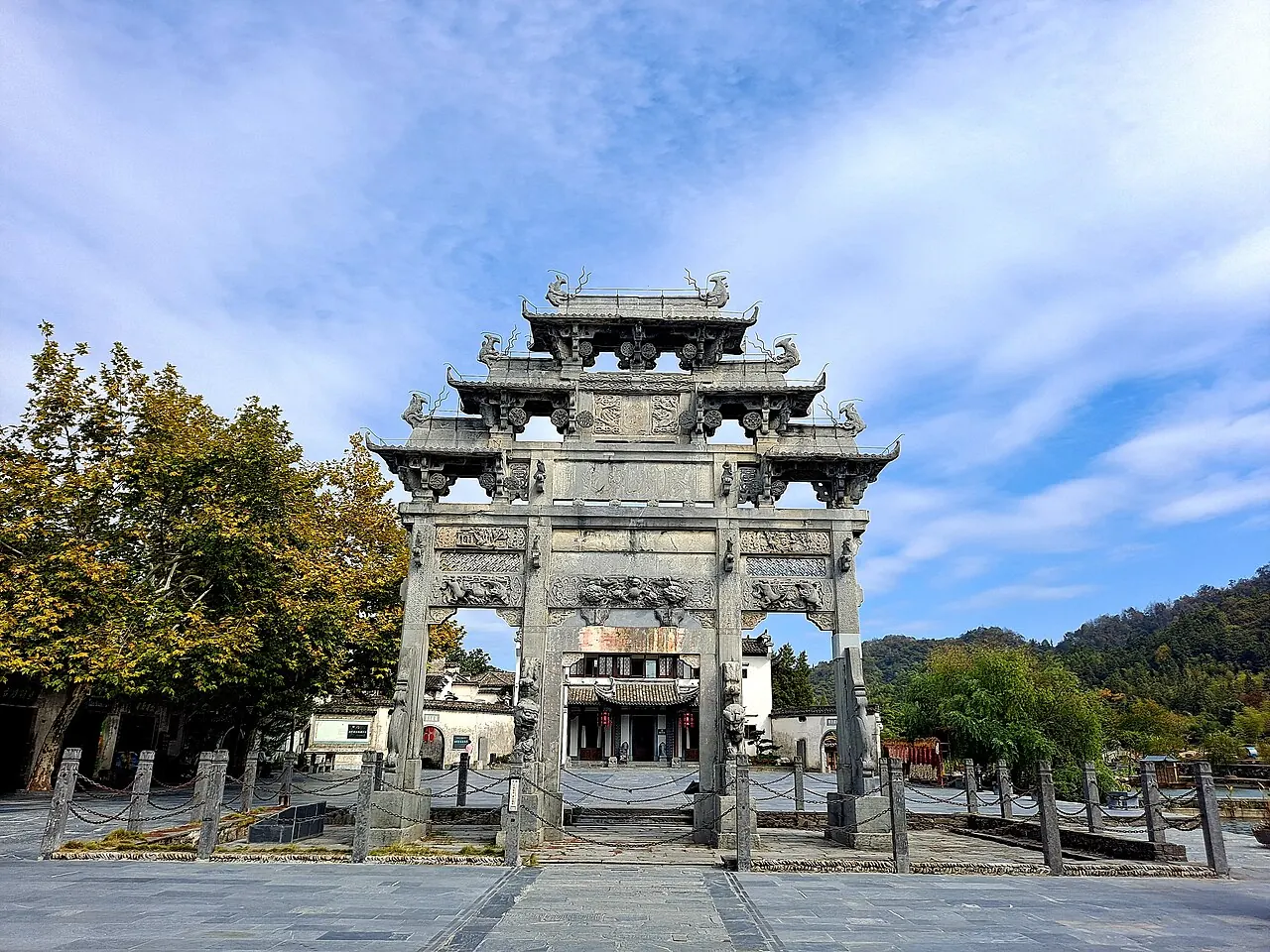
Carved stone ceremonial archway in Xidi Village, Anhui

HuangshanXidi Village

  • Xidi Village is strongest when visited with enough pacing and interpretation to let its logic register.
  • Best for private travelers who want meaning, not just recognition, from a major site.
  • Usually works better as part of a quieter Huangshan day than as one more stop inside an overloaded checklist.

Short answer

Why Xidi Village matters

Xidi matters because it gives travelers another way to feel the Huangshan region through village rhythm rather than mountain scale. Lanes, white walls, carved detail, and slower domestic atmosphere reveal a more inhabitable and socially textured side of Anhui culture. For cultural travelers, Xidi helps turn the region from scenic memory into a fuller way of understanding place.

Why Xidi matters

Xidi matters because it expands the Huangshan region beyond its famous peaks. The village reveals how beauty, hierarchy, craft, and daily movement are carried in domestic form.

That makes it particularly useful for travelers who want slower routes built around atmosphere and regional texture.
How to place it inside a Huangshan route

Xidi works well as a complement to the mountain or alongside Hongcun, offering another angle on Anhui architecture and village life without becoming repetitive when paced thoughtfully.

Together these environments help the traveler feel that regional culture is made of many scales, not only one iconic view.

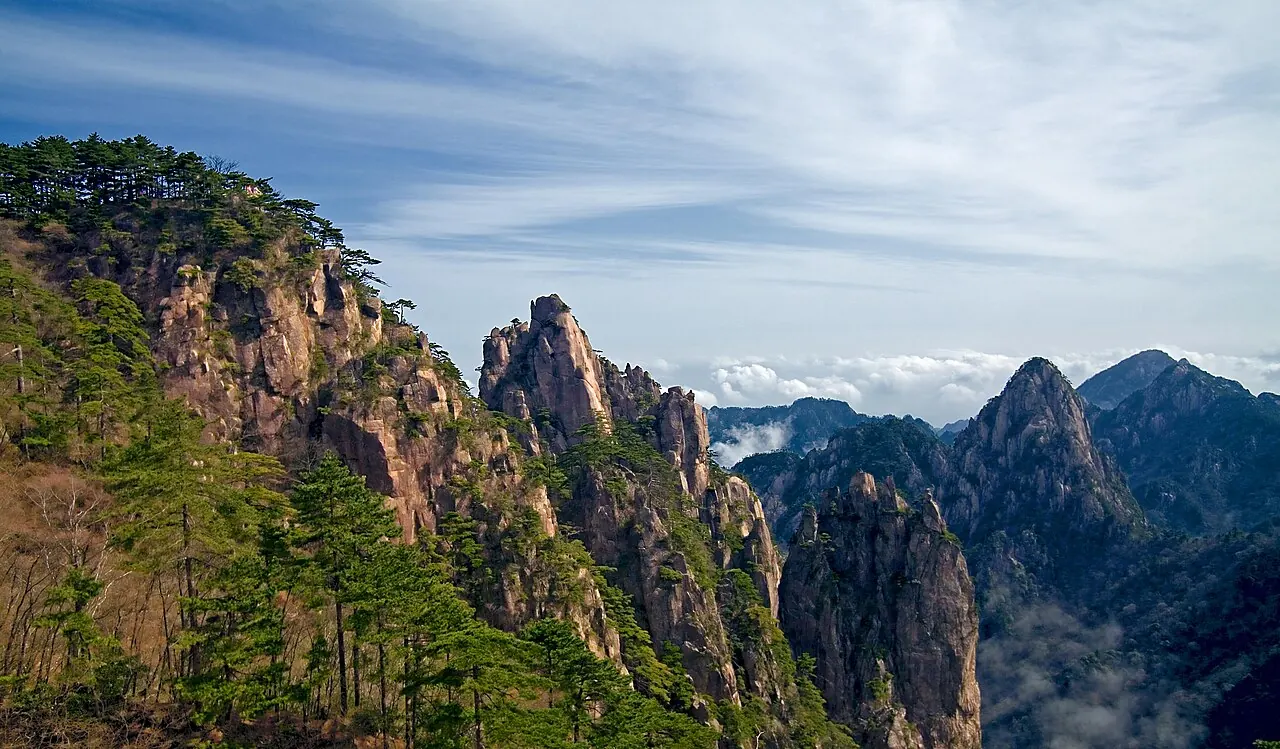
Granite peaks and pine trees above distant clouds in Huangshan, Anhui
Granite peaks, pine trees and distant clouds in Huangshan, Anhui.

Private planning

Place Xidi Village inside a better route.

A landmark is strongest when it belongs to a larger rhythm. We can shape a private China journey around cities, contrasts, and the kind of cultural depth you want to leave with.

Frequently asked questions

Is Xidi too similar to Hongcun to justify both?

Not if the route is designed thoughtfully. Each village adds a different tone and helps broaden the region’s cultural texture.

How much time should be spent in Xidi?

A focused half day often works well, especially when balanced with mountain or tea-based experiences.

Who tends to value Xidi most?

Travelers interested in village architecture, regional atmosphere, walking rhythm, and slower cultural travel.

What does Xidi add to a first Huangshan route?

It adds domestic scale, carved architectural detail, and a fuller sense of how Anhui culture is actually inhabited.

Your China journey

Let’s start with your idea.

You do not need a finished itinerary. Tell us what interests you and what you would like help planning.

  • Patrick and Zoe personally review your note.
  • We begin by email; a call can follow if useful.
  • An inquiry starts a conversation, with no commitment to book.

Prefer email? liminachina@outlook.com

Tell us about your trip.

Only your name, email and a short note are required.

About: Huangshan - Xidi Village

Add more trip details (optional)