Landmark guide

The Bund for Cultural Travelers: How to Read Shanghai’s Most Famous Edge

The Bund matters because it makes Shanghai’s layered identity visible in one concentrated edge. It holds colonial history, riverfront spectacle, financial ambition, and urban theater at once. For cultural travelers, the value lies not only in the skyline view, but in understanding how Shanghai stages memory, power, commerce, and self-image in public space.

Many people visit the Bund for the photograph. The stronger reason is that it helps explain how Shanghai narrates itself.

This page belongs inside the broader Shanghai for Cultural Travelers: Modern China, Design, and Urban Contrast guide, where this landmark is placed inside a more coherent city rhythm.
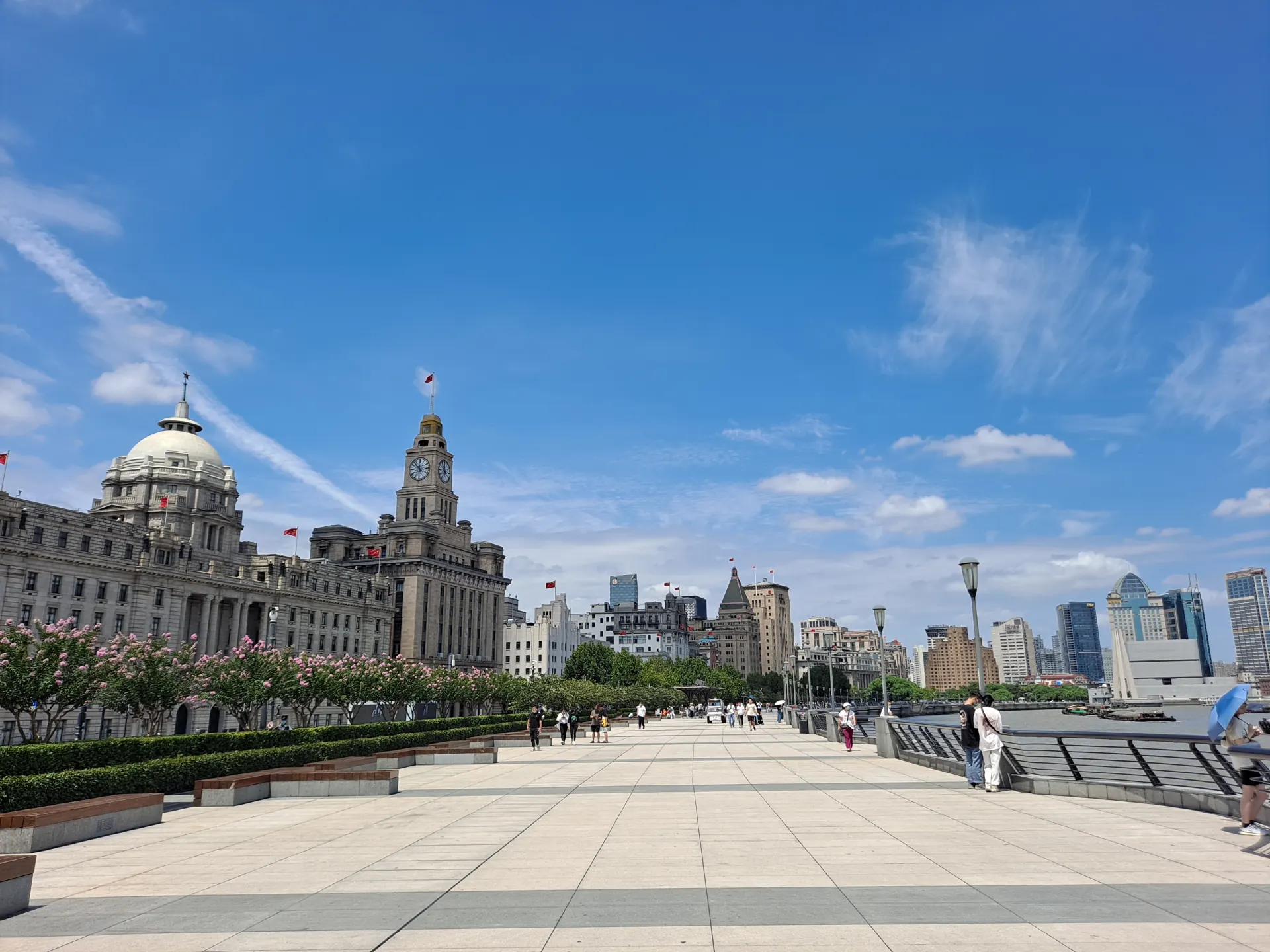
Historic buildings and the riverside promenade along Shanghai’s Bund

ShanghaiThe Bund

  • The Bund is strongest when visited with enough pacing and interpretation to let its logic register.
  • Best for private travelers who want meaning, not just recognition, from a major site.
  • Usually works better as part of a quieter Shanghai day than as one more stop inside an overloaded checklist.

Short answer

Why The Bund matters

The Bund matters because it makes Shanghai’s layered identity visible in one concentrated edge. It holds colonial history, riverfront spectacle, financial ambition, and urban theater at once. For cultural travelers, the value lies not only in the skyline view, but in understanding how Shanghai stages memory, power, commerce, and self-image in public space.

Why the Bund matters

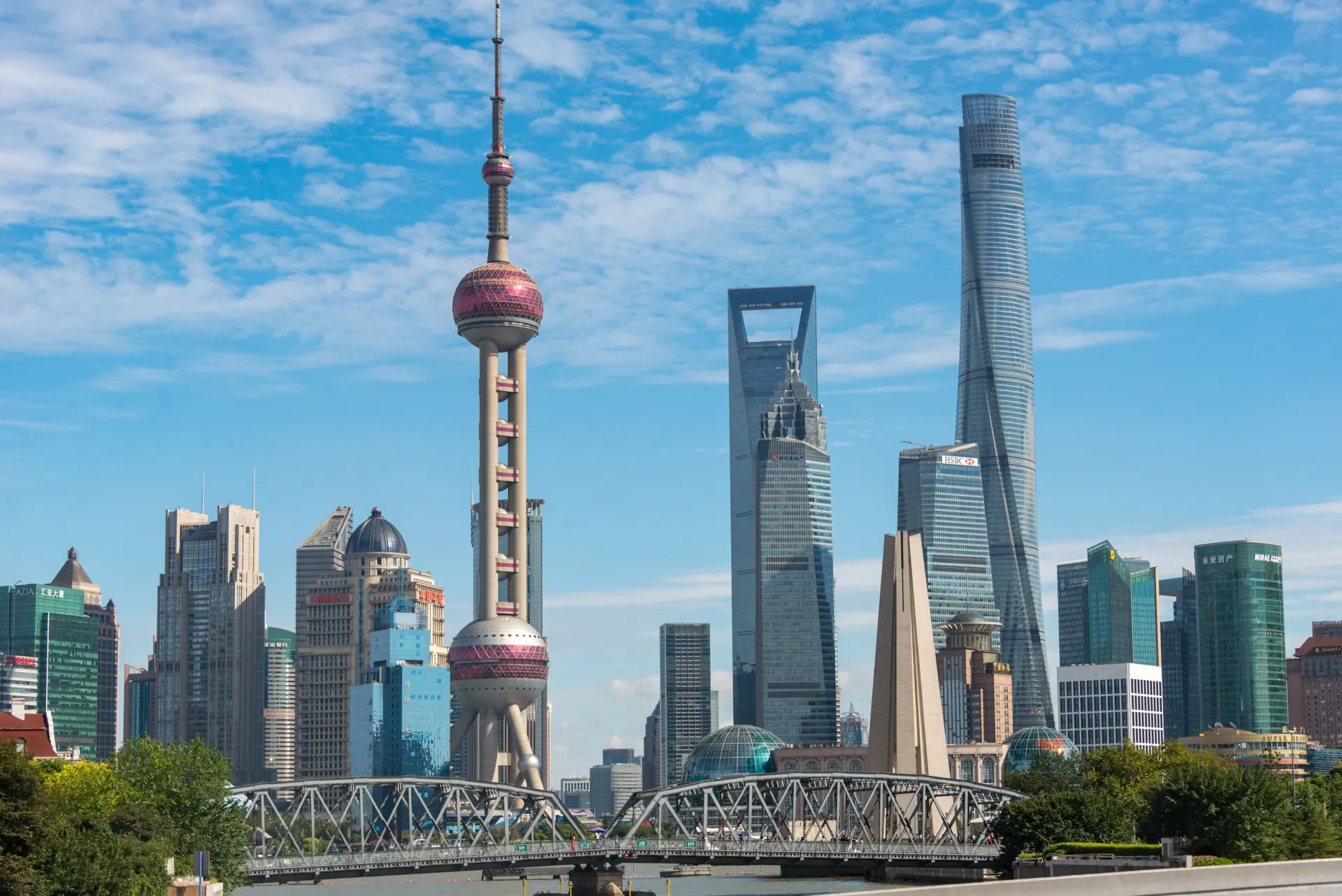
The Bund is one of the clearest places to feel Shanghai’s historical layering. Older riverfront architecture and Pudong’s modern verticality face one another like two versions of China in active conversation.

That tension makes the Bund useful for travelers seeking more than scenery. It becomes a live lesson in urban identity.

How to experience it with more intelligence

A stronger Bund experience usually combines observation with context: trade, foreign concessions, architecture, finance, urban aspiration, and public performance.

It also helps to move from the Bund into design districts or neighborhood life afterwards so the city does not remain only an image of scale.

Pudong skyline with the Oriental Pearl Tower and a bridge in Shanghai
Shanghai’s Pudong skyline with a bridge in the foreground.

Private planning

Place The Bund inside a better route.

A landmark is strongest when it belongs to a larger rhythm. We can shape a private China journey around cities, contrasts, and the kind of cultural depth you want to leave with.

Frequently asked questions

Is the Bund only worth it for photos?

No. Its deeper value lies in how clearly it stages Shanghai’s historical and contemporary identities.

When is the best time to visit the Bund?

Early evening often works well, though the strongest visit depends on pacing and what the rest of the day includes.

Does the Bund fit a cultural route or just a luxury route?

It fits both when it is interpreted as urban history and public symbolism rather than just a pretty viewpoint.

Should the Bund be paired with another area?

Yes. It often works best with a neighborhood or design-focused district that adds texture and everyday urban life.

Your China journey

Let’s start with your idea.

You do not need a finished itinerary. Tell us what interests you and what you would like help planning.

  • Patrick and Zoe personally review your note.
  • We begin by email; a call can follow if useful.
  • An inquiry starts a conversation, with no commitment to book.

Prefer email? liminachina@outlook.com

Tell us about your trip.

Only your name, email and a short note are required.

About: Shanghai - The Bund

Add more trip details (optional)