Limina China

Modern China / Ancient & Modern

Why China’s contrasts feel so powerful in travel

Part of China’s force lies not in any single identity, but in the intensity with which different realities coexist.

Travelers often describe China through contrast. Ancient and futuristic. Quiet and intense. Ritualized and improvisational. Monumental and intimate. Hyper-modern and deeply historical. These descriptions can sound clichéd until one actually travels through the country and feels how powerfully those contrasts are embodied in place.

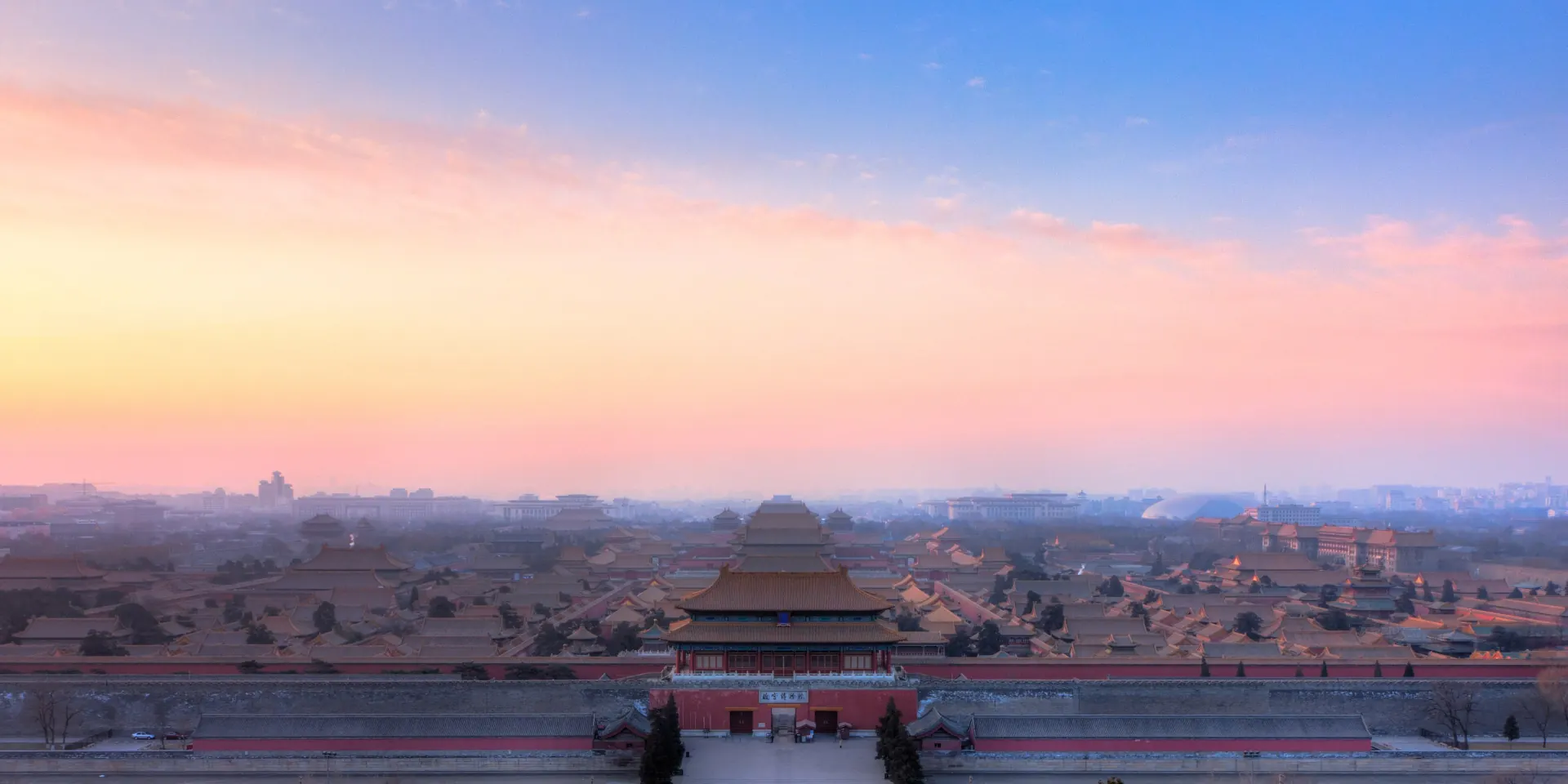
Historic palace architecture in Beijing with rich structural detail
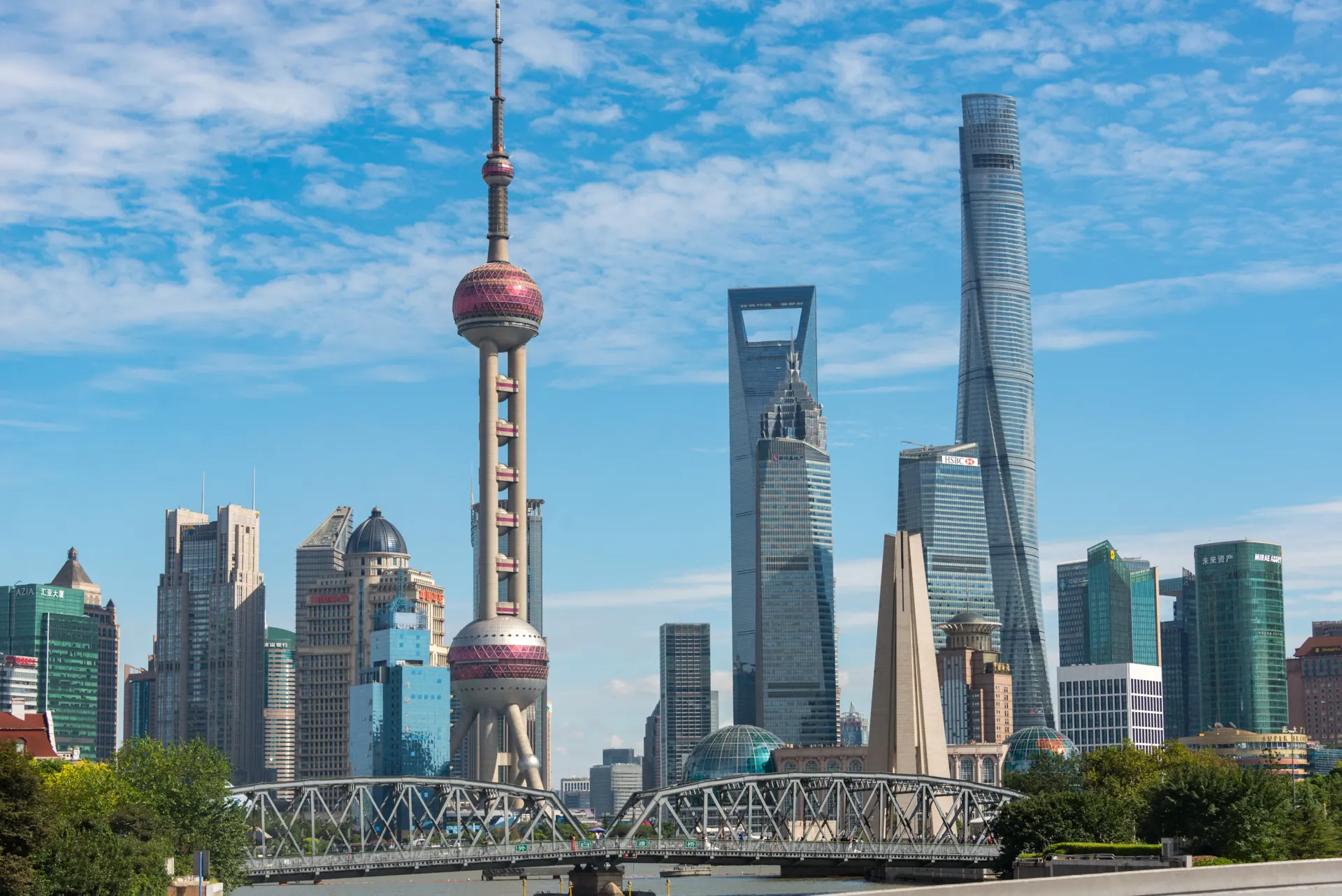
Shanghai skyline at night with luminous modern towers
Editorial note Contrast becomes meaningful when one world sharpens the perception of another.

Introduction

China is often felt through juxtaposition.

Contrast gives travelers an immediate language for China because different tempos, scales, and forms of life often sit unusually close together. What matters is not the cliché itself, but the lived force of the experience.

This is also why contrast belongs naturally beside ancient and modern China in one journey, the broader Themes hub, and the inquiry path where route, pacing, and structure can turn contrast into coherence.

In brief

A short answer

China’s contrasts feel powerful because they are not abstract. They are lived in architecture, pacing, landscape, systems, daily behavior, and the emotional texture of movement through the country. Travel makes those contrasts visible in ways explanation alone rarely can.

What travelers often notice

Ancient and modern

A temple courtyard may exist within the emotional orbit of a hyper-efficient urban system.

Stillness and speed

A moment of profound quiet may be followed by extraordinary density and motion.

Monumental and personal

History can feel immense, yet the strongest memories may come from gestures, meals, and small details.

Aesthetic restraint and sensory intensity

Minimal spaces and visually saturated environments may appear within the same journey.

Continuity and reinvention

What seems entirely new may still carry older cultural assumptions beneath the surface.

Why contrast can deepen the journey

Contrast creates energy, but it also creates understanding. One environment sharpens the meaning of another.

A tea ritual can change the way one perceives a design hotel. A mountain path can alter how one later feels a fast-moving city. Contrast is not only dramatic. It is interpretive.

Why this matters in journey design

A strong journey does not erase contrast, but it does shape it. Without care, contrast can feel random or exhausting. With stronger sequencing, it becomes meaningful.

This is one reason journey design matters so much in China. The traveler often needs help not to simplify contrast away, but to experience it as part of a larger internal logic.

How Limina works with contrast

For Limina, contrast is one of the most powerful tools in shaping a journey. But it must be used with rhythm and restraint.

The goal is not to create novelty for novelty’s sake. It is to help the traveler perceive China more deeply through relationships between places, tempos, atmospheres, and forms of life.

A strong route does not remove China’s contrasts. It teaches the traveler how to feel them in relation.

That is why sequencing matters so much when a journey tries to hold more than one China at once.

FAQ

Frequently asked questions

Is China unusual because it contains both ancient and modern elements?

Many places contain both. What feels especially powerful in China is the density, scale, and immediacy with which they often coexist.

Can contrast make a journey feel confusing?

Yes, if the trip lacks coherence. Good journey design helps contrast feel meaningful rather than chaotic.

Does contrast only matter for first-time travelers?

No. It can remain one of the most compelling parts of returning to China as well.

Why does contrast often make travel more memorable?

Because one experience sharpens the perception of another, creating stronger emotional and cognitive imprint.

How does Limina use this differently?

Limina designs journeys where contrast becomes part of a thoughtful narrative arc rather than a series of disconnected surprises.

Inquiry

Experience China through deeper contrast.

If you want a journey that brings China’s different worlds into a more meaningful relationship, we would be glad to design it with you.

I want a journey that holds stillness and speed, history and modern life, without forcing them apart.
I want contrast to feel meaningful rather than chaotic.