This is protective advice, not a scare story. Practices vary by operator and product type. The goal is calm clarity: protect cultural time on a first (or returning) trip by putting exclusions in the proposal—not by hoping the itinerary stays clean once you are on the ground.
Answer guide
Private China Tours with No Shopping Stops: What to Require in Writing
A commission shopping stop is a retail visit—often to jade, silk, tea, pearl, art, or medicine venues—inserted into a tour day so that guides, drivers, or operators can earn sales-linked commissions. Privacy alone does not ban that practice. If you want a private China tour with no shopping stops, require a written exclusion of commission-linked store, showroom, and factory visits before you pay; allow only pre-agreed specialty visits that you request or approve, with no purchase pressure.
Answer guideStart with clarity
Short answer
Short Answer
A commission shopping stop is a retail visit—often to jade, silk, tea, pearl, art, or medicine venues—inserted into a tour day so that guides, drivers, or operators can earn sales-linked commissions. Privacy alone does not ban that practice. If you want a private China tour with no shopping stops, require a written exclusion of commission-linked store, showroom, and factory visits before you pay; allow only pre-agreed specialty visits that you request or approve, with no purchase pressure.
What a “shopping stop” usually is
A shopping stop typically diverts itinerary time to a commission-linked commercial venue. The visit may be framed as a “special friend,” a factory tour, a tea tasting, or a cultural demonstration. Soft pressure can appear as elongated visits, repeated suggestions to buy, or subtle changes in guiding warmth when travelers decline.
These stops can appear even on products labeled private or luxury if they are not excluded in writing. The label on the brochure does not rewrite the economics of the day.
Not every indoor commercial space is a shopping stop. The distinction that matters is whether the visit exists to generate retail commission—or whether it is a time-boxed cultural experience you asked for, with purchase optional and unpressured.
Why this matters on a first China trip
Distorted first impression
A first visit has scarce days. When those days are filled with retail theatre, travelers leave with memories of showrooms instead of neighborhoods, museums, landscapes, and food culture. The country becomes a sales floor with scenic intervals. That is a design failure for anyone who came for cultural understanding.
Hidden economics
Opaque commissions can subsidize a low headline price. A “cheap private” quote may look attractive until you compare inclusions, exclusions, and how days are actually spent. Price literacy means reading shopping policy alongside the numbers. For transparent cost factors—and Limina’s published Heritage Journey starting reference of USD 4,800 per person—see the private China tour cost guide.
Energy and trust
Jet-lagged first-timers lose patience quickly when afternoons stretch in stores they did not choose. Trust erodes mid-trip, which makes the remaining cultural days harder to enjoy. Written exclusions protect energy as much as they protect budget.
Shopping stop vs legitimate specialty visit
A legitimate specialty visit is different when all of the following are true:
- Traveler-requested or pre-approved in the written plan
- Time-boxed so it cannot expand into a sales afternoon
- No purchase obligation—refusal has no effect on guiding quality
- Disclosed as what it is (craft studio, tea-country context, gallery), not as a surprise “bonus”
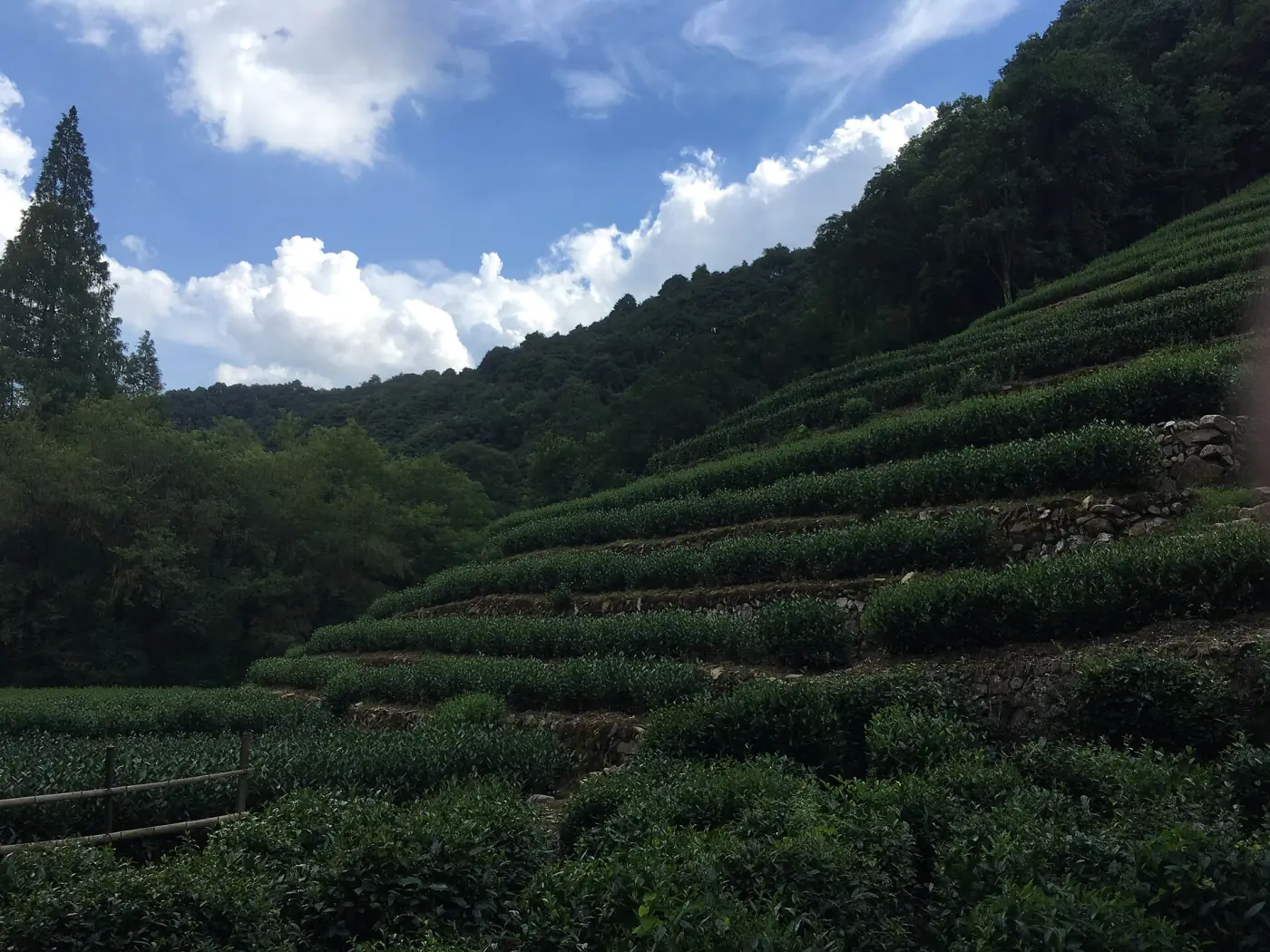
Cultural framing examples include a tea-country context visit in Hangzhou that explains landscape and production without a sales floor script, or a craft demonstration you asked to see. Commission-mall framing, by contrast, centers inventory, “special prices,” and purchase momentum.
Practical rule: if the operator cannot explain the visit without sales language, exclude it.
Limina’s approach to cultural pacing—and how specialty experiences can serve a route narrative—appears in the Beijing–Hangzhou–Shanghai cultural itinerary and on the luxury China cultural tour page. Luxury, in that framing, means cultural coherence—not shopping theatre.
What to require in writing (copy-paste checklist)
Ask any operator—including Limina—to confirm these points in the written proposal before payment. This is not legal advice; it is scope language travelers can request:
- No commission shopping stops will be inserted into the itinerary.
- Guides and drivers will not receive retail commissions related to this journey.
- Any store, showroom, or factory visit appears only if the traveler requests it or pre-approves it in the written plan.
- Purchase is never required; refusal has no effect on guiding quality.
- Day timing will not be extended for retail without traveler consent.
- Substitutions that add retail stops require written re-approval.
If an operator hesitates to confirm these in writing, treat that hesitation as information. Reputable private operators who do not rely on shopping commissions can usually affirm the list without drama.
Confirmation of inclusions and exclusions belongs in the planning stages described on How it works.
Questions to ask before you pay
Use these alongside the checklist:
- Who profits if I buy at a stop you suggest?
- Can you list every planned indoor commercial venue on this itinerary?
- What happens if I decline a suggested shop—does guiding quality or timing change?
- Is this “tea tasting” a cultural visit or a sales floor?
- Will you put the no-shopping commitment in the written proposal before any deposit?
These questions work with any private operator. They also help you compare boutique cultural studio models and broader private luxury selection criteria on equal terms. For private versus group product differences more generally, see private China travel vs group tour.
How Limina approaches this
Limina China is a boutique private cultural travel studio. Days are shaped for cultural narrative, not retail commissions. Founders Zoe and Patrick read inquiries; Zoe leads route design, and Patrick coordinates hotels and suppliers from Beijing. Specialty experiences appear only when they serve the route narrative and are agreed in the written scope—not as sales diversions.
Limina does not operate a shopping-stop commission model. Exclusions belong in the confirmed proposal. Pricing is discussed openly via the cost guide; shopping commissions are one reason opaque “cheap private” quotes exist elsewhere in the market—compare like for like.
An illustrative cultural arc is available among the sample journeys. Limina is not an OTA package marketplace; it focuses on private journey design and agreed arrangements, with regulated services fulfilled through appropriately qualified partners where required.
This language is portable. Use it with Limina or with any reputable private operator you trust. The point is not brand loyalty—it is protecting your days.
Private journey design
Next step
Want a private cultural journey with shopping stops excluded in writing? Tell us your cities and dates—we’ll confirm scope, exclusions, and next steps clearly.
FAQ
Can a private China tour still include shopping stops?
Yes—privacy alone does not ban retail commissions. If you want no shopping stops, require that exclusion in the written proposal before payment.
What should “no shopping stops” say in writing?
Ask for a clear statement that no commission-linked store, showroom, or factory visits will be inserted; that guides are not paid retail commissions for your journey; and that any specialty visit is pre-agreed, optional, and purchase-free.
Are tea or craft visits always shopping stops?
No. A time-boxed cultural visit you requested—with no purchase pressure—differs from a commission sales floor. Ask how the visit is framed, timed, and compensated.
Why do some cheaper “private” quotes still feel sales-heavy?
Opaque commissions can subsidize a low headline price. Compare proposals on inclusions, exclusions, and shopping policy—not price alone. See Limina’s private China tour cost guide for transparent factors.
Does Limina include shopping stops?
Limina designs private cultural journeys without a shopping-stop commission model. Any specialty visit belongs in the agreed written scope and is not used as a sales diversion.
What if a stop appears after I’ve booked?
Refer to your written exclusions and request removal or a time-neutral alternative. Reputable operators will honor the confirmed scope; raise the issue promptly with your trip contact.