L Limina China Threshold journeys through China

Landmark guide

The Forbidden City for Cultural Travelers: How to Visit with More Context

The Forbidden City matters most when it is approached as a grammar of power, order, and ceremonial imagination rather than as a box to tick in Beijing. Its scale, sequencing, and enclosure reveal how imperial China understood hierarchy and symbolic authority. A stronger visit slows down enough for the traveler to read space, direction, thresholds, and rhythm instead of only moving through halls.

Many travelers leave the Forbidden City impressed but underinterpreted. The site is strongest when it is placed inside a wider Beijing route that gives its geometry and emotional scale clearer meaning.

This page belongs inside the broader Beijing for Cultural Travelers: Where First-Time China Journeys Gain Depth guide, where this landmark is placed inside a more coherent city rhythm.
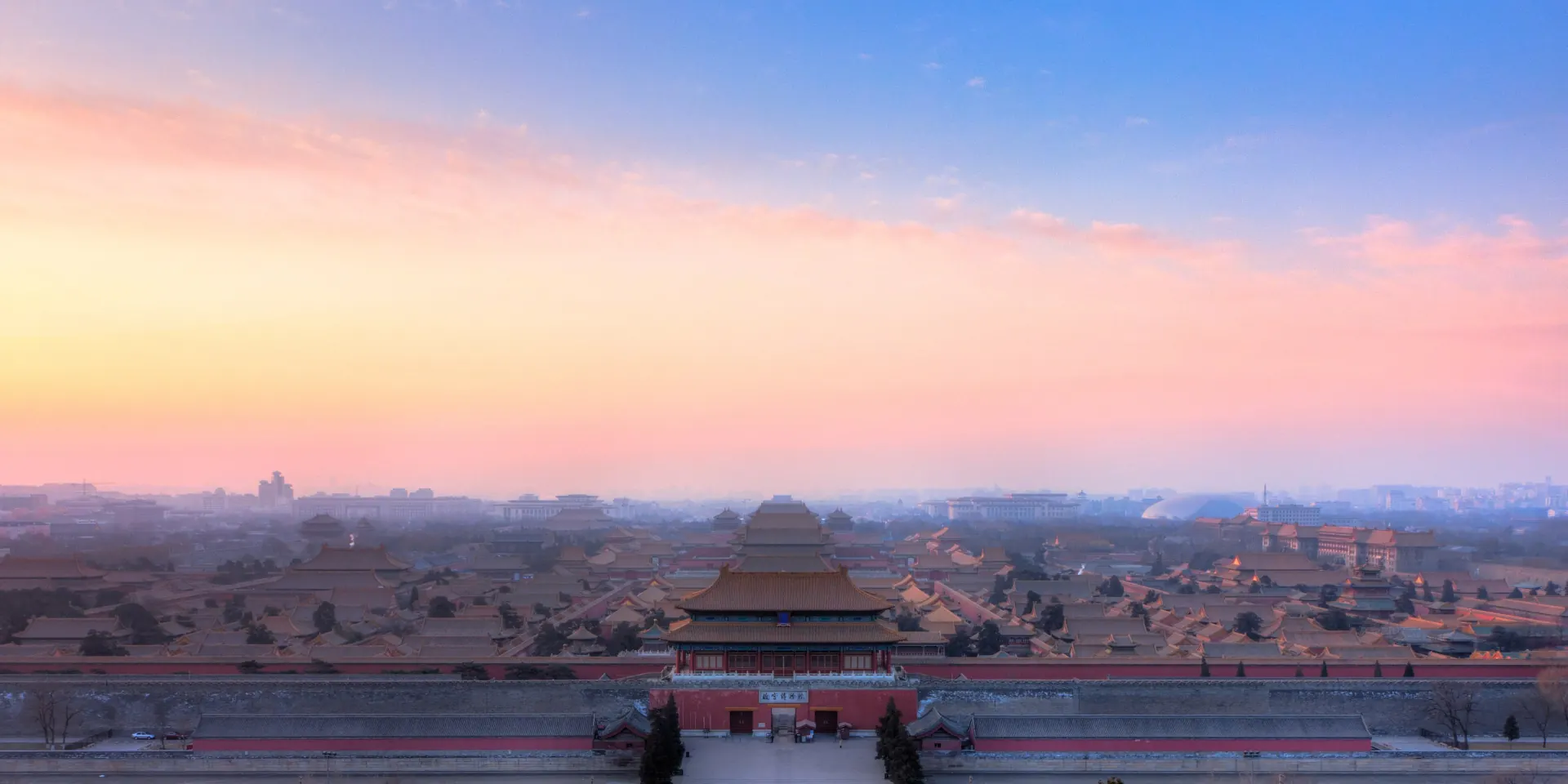
Editorial image for The Forbidden City in Beijing: Forbidden City cultural travel guide

Short answer

Why The Forbidden City matters

The Forbidden City matters most when it is approached as a grammar of power, order, and ceremonial imagination rather than as a box to tick in Beijing. Its scale, sequencing, and enclosure reveal how imperial China understood hierarchy and symbolic authority. A stronger visit slows down enough for the traveler to read space, direction, thresholds, and rhythm instead of only moving through halls.

What the Forbidden City teaches

The Forbidden City teaches through spatial order. Gates, courtyards, rooflines, and axial progression are not decorative accidents. They express how authority was staged and how movement itself became part of political meaning.

For cultural travelers, that means the site is less about collecting rooms than about reading the logic of approach, distance, permission, and scale.

How to visit it well

A stronger visit usually happens early in the day and inside a smaller number of carefully chosen zones. Overcoverage quickly numbs perception in a site this large.

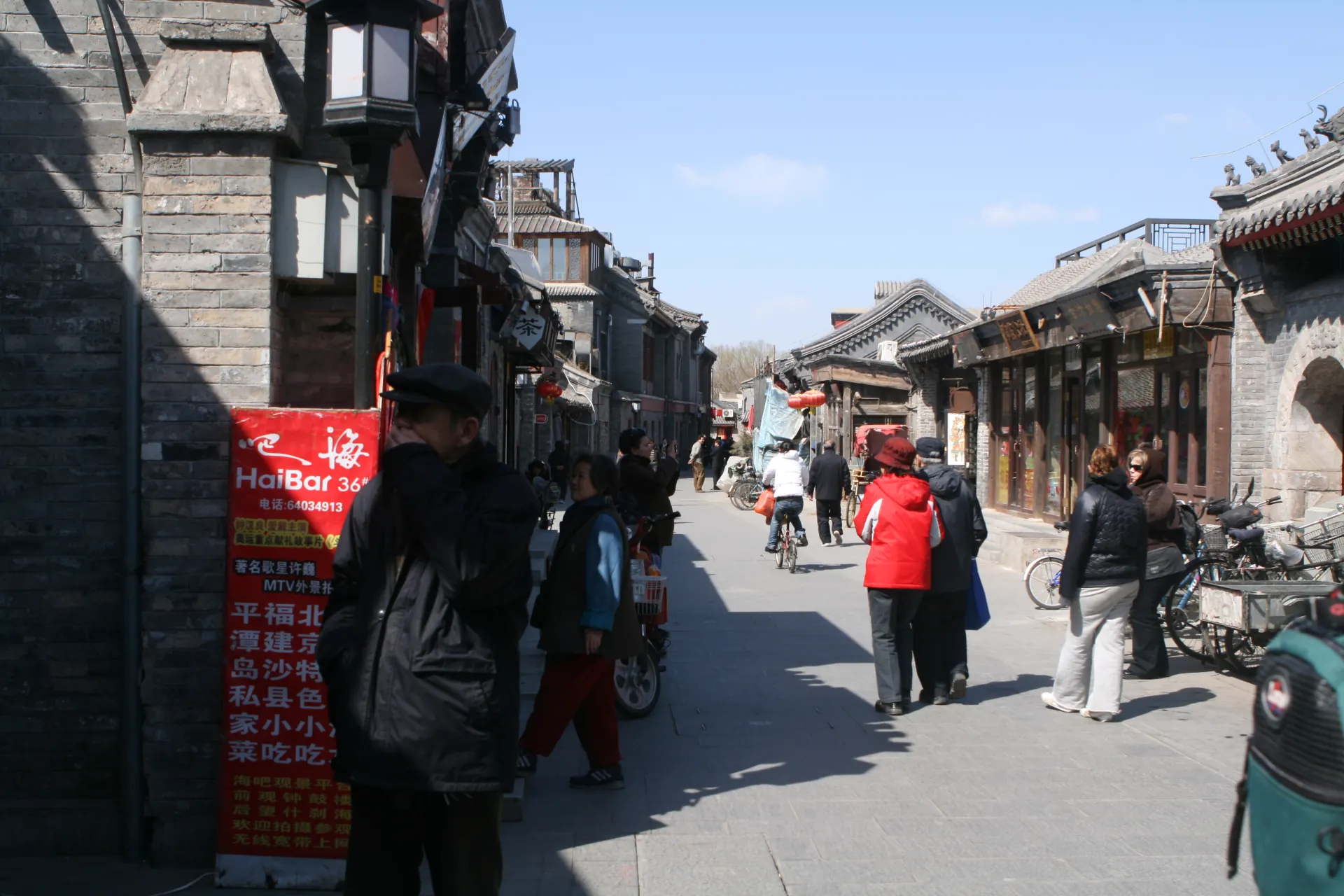
It also helps to pair the visit with a quieter Beijing environment afterwards, such as a courtyard lane or tea setting, so the city’s symbolic density can settle into memory.

Supporting image 1 for The Forbidden City: beijing, hutong, courtyard in China
A supporting image chosen to reinforce atmosphere, texture, and the landmark’s broader cultural context.

Private planning

Place The Forbidden City inside a better route.

A landmark is strongest when it belongs to a larger rhythm. We can shape a private China journey around cities, contrasts, and the kind of cultural depth you want to leave with.

Frequently asked questions

Is the Forbidden City worth it for first-time visitors?

Yes, but it is most powerful when visited with enough context and without trying to rush every hall or courtyard.

How long should a cultural visit take?

Two to three focused hours is often stronger than a longer but more fatigued visit.

What makes a private visit better?

Private pacing and stronger interpretation help the traveler understand why the space is designed the way it is.

Should the Forbidden City be combined with other major sites the same day?

Usually only with restraint. Too many monumental sites in one day can flatten each other.

Private inquiry

Tell us how The Forbidden City fits the China you want to meet.

If this place belongs in your route, leave a note and we will shape it into a calmer, more coherent private journey.

  • Private cultural journey design, not package sales.
  • Creator-ready, founder-aware, and culturally intelligent support.
  • Every inquiry is reviewed by a human before the next step is suggested.

Tell us what kind of China you want to meet.

A strong first note can be clear, incomplete, practical, intuitive, or some mixture of all four.

How to reach you

Enough for us to reply thoughtfully and understand who this journey is for.

Journey details

These details help us shape pacing, fit, and the right level of design.