Landmark guide

Beijing Hutong Guide: Courtyard Life and How to Explore Thoughtfully

Beijing hutongs reveal the capital at human scale through lanes, courtyard compounds, neighborhood services, trees, thresholds, and everyday movement. A thoughtful visit usually needs two to four hours and works best as a slow walk with historical context, not as a staged performance or a race between photogenic alleys.

A Beijing journey that only moves between monumental landmarks can feel too formal. Hutongs and courtyard neighborhoods restore proportion, but they should be approached as living places rather than scenery arranged for visitors.

This page belongs inside the broader Beijing for Cultural Travelers: Where First-Time China Journeys Gain Depth guide, where this landmark is placed inside a more coherent city rhythm.

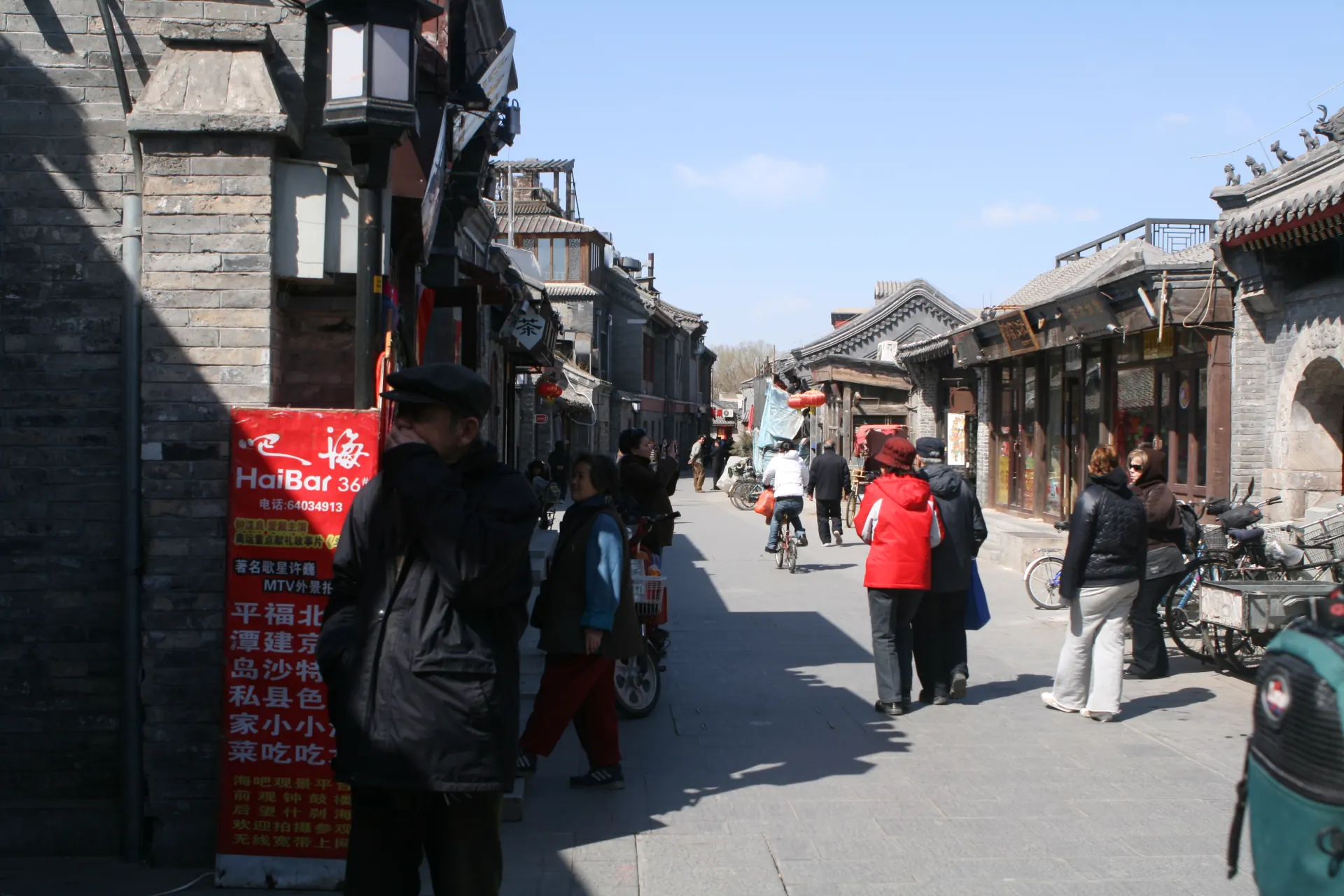
Shops and pedestrians along a traditional hutong lane in Beijing

BeijingBeijing Hutongs and Courtyard Life

  • Beijing Hutongs and Courtyard Life is strongest when visited with enough pacing and interpretation to let its logic register.
  • Best for private travelers who want meaning, not just recognition, from a major site.
  • Usually works better as part of a quieter Beijing day than as one more stop inside an overloaded checklist.

Short answer

Why Beijing Hutongs and Courtyard Life matters

Beijing hutongs reveal the capital at human scale through lanes, courtyard compounds, neighborhood services, trees, thresholds, and everyday movement. A thoughtful visit usually needs two to four hours and works best as a slow walk with historical context, not as a staged performance or a race between photogenic alleys.

What to notice in Beijing's hutongs and courtyards

Lane width, courtyard gates, orientation, walls, shared shade, small businesses, and the movement between private and public space all help explain how older Beijing was organized and inhabited.

Courtyards are not simply decorative compounds. Their spatial logic reflects family life, privacy, climate, hierarchy, and adaptation over time. Because many remain homes or working spaces, meaningful observation also requires restraint and respect for residents.
How to avoid a rushed or staged hutong experience

Choose one coherent neighborhood and walk it slowly instead of collecting several famous lanes. Context from a knowledgeable local can help distinguish historic form, later alterations, protected areas, and ordinary contemporary life without turning residents into exhibits.

Avoid experiences built mainly around forced access, costume, staged domesticity, or intrusive photography. Two to four hours, paired with one nearby historical site or a meal, usually creates more understanding than an overloaded sightseeing circuit.

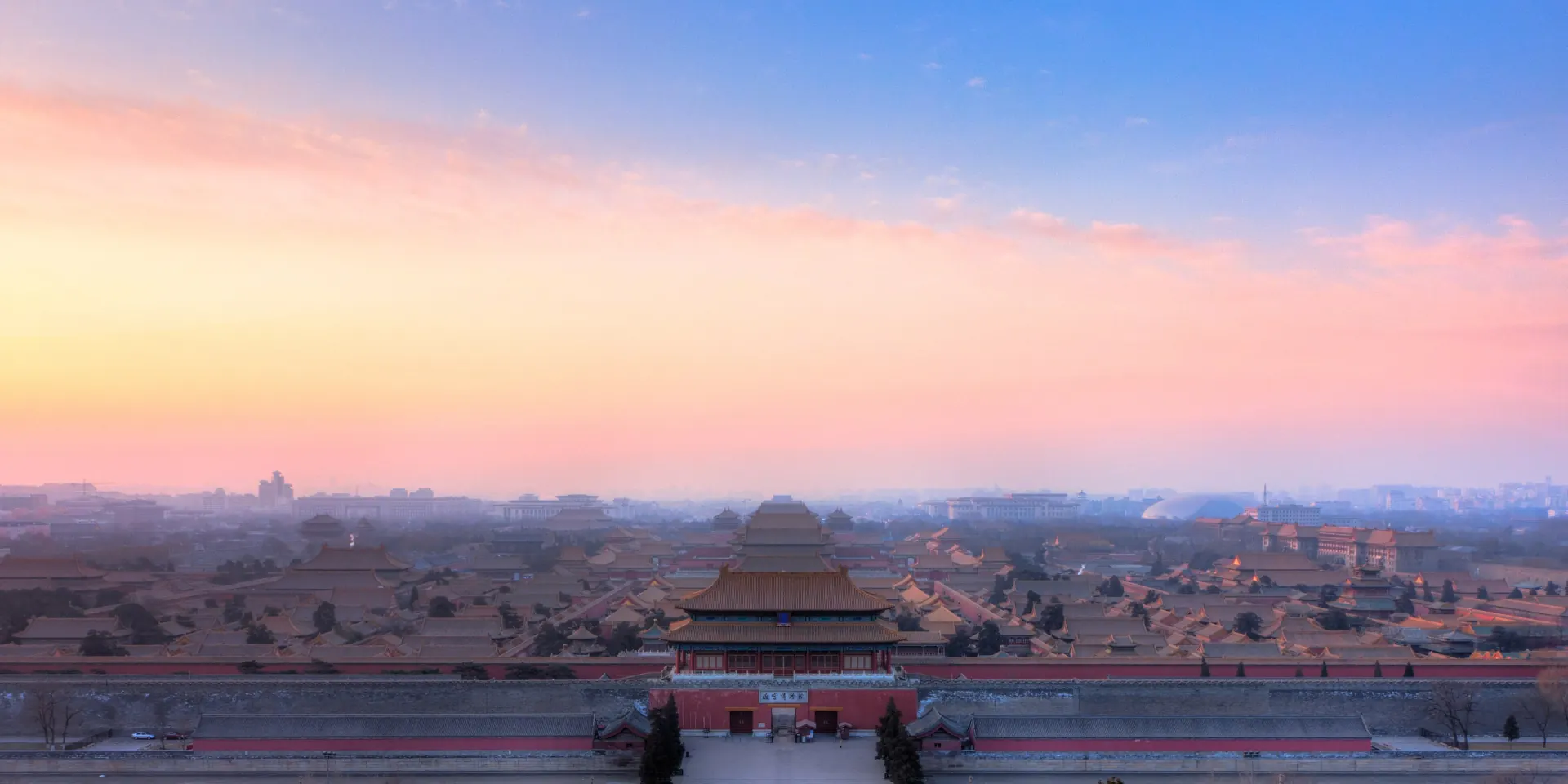
Rooftops and courtyards of Beijing’s Forbidden City viewed from Jingshan
Entering the Forbidden City with a scholar-led route turns monumental scale into a legible story of ritual and governance.

Photo: Pixelflake · CC BY-SA 3.0 · Resized.

Private planning

Place Beijing Hutongs and Courtyard Life inside a better route.

A landmark is strongest when it belongs to a larger rhythm. We can shape a private China journey around cities, contrasts, and the kind of cultural depth you want to leave with.

Frequently asked questions

Are Beijing hutongs just scenic old streets?

No. Their strongest value lies in scale, social texture, and what they reveal about how the city has been lived.

Should hutongs be part of a first Beijing trip?

Usually yes, because they counterbalance the density of more monumental sites.

Do hutongs work well with luxury travel?

Yes. They often provide the intimacy and human texture that make a refined route feel more grounded.

How much time should be given to hutong exploration?

Allow roughly two to four hours for a focused walk, pauses, and cultural context. A half day works especially well when paired with one nearby formal site rather than several major attractions.

How can visitors avoid an overly touristy hutong experience?

Focus on one living neighborhood, walk rather than rush between photo stops, respect private courtyards, and prioritize historical and social context over staged access or performances.

Your China journey

Let’s start with your idea.

You do not need a finished itinerary. Tell us what interests you and what you would like help planning.

  • Patrick and Zoe personally review your note.
  • We begin by email; a call can follow if useful.
  • An inquiry starts a conversation, with no commitment to book.

Prefer email? liminachina@outlook.com

Tell us about your trip.

Only your name, email and a short note are required.

About: Beijing - Beijing Hutongs and Courtyard Life

Add more trip details (optional)