L Limina China Threshold journeys through China

Landmark guide

Ming Xiaoling Mausoleum: Dynastic Memory, Landscape, and Quiet Political Scale

Ming Xiaoling matters because it joins dynastic memory to landscape and procession rather than reducing history to a single monument. For cultural travelers, the site reveals how political authority, ritual sequence, and natural setting can be composed into one more reflective experience. Its power lies in tone and pacing as much as in historical fact.

Some historical sites impress through scale. Ming Xiaoling often works differently: through procession, stillness, and the gradual accumulation of gravity.

This page belongs inside the broader Nanjing for Cultural Travelers: Historical Weight, River Memory, and a More Reflective China guide, where this landmark is placed inside a more coherent city rhythm.
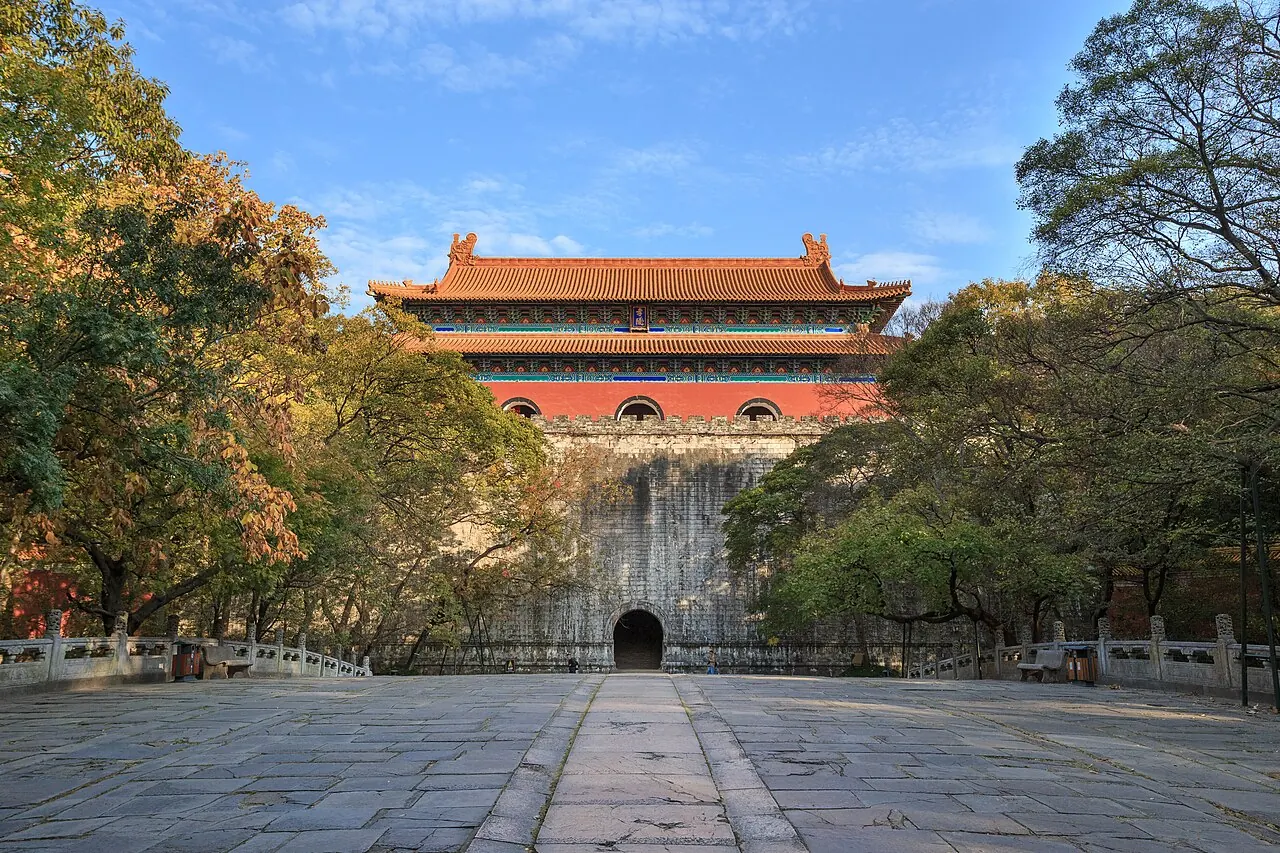
Editorial image for Ming Xiaoling Mausoleum in Nanjing: Ming Xiaoling Mausoleum guide

Short answer

Why Ming Xiaoling Mausoleum matters

Ming Xiaoling matters because it joins dynastic memory to landscape and procession rather than reducing history to a single monument. For cultural travelers, the site reveals how political authority, ritual sequence, and natural setting can be composed into one more reflective experience. Its power lies in tone and pacing as much as in historical fact.

Why the mausoleum matters

The site matters because it makes dynastic memory spatial. Processional movement, stone figures, wooded atmosphere, and ceremonial logic help the traveler feel history as a designed experience.

This is important in a route like Nanjing, where political memory is often quieter but no less serious.

How to visit it well

A stronger visit favors patience over coverage. The mausoleum works best when its atmosphere has time to gather through movement and interpretation.

Placed well in a Nanjing day, it can become one of the clearest expressions of the city’s reflective tone.

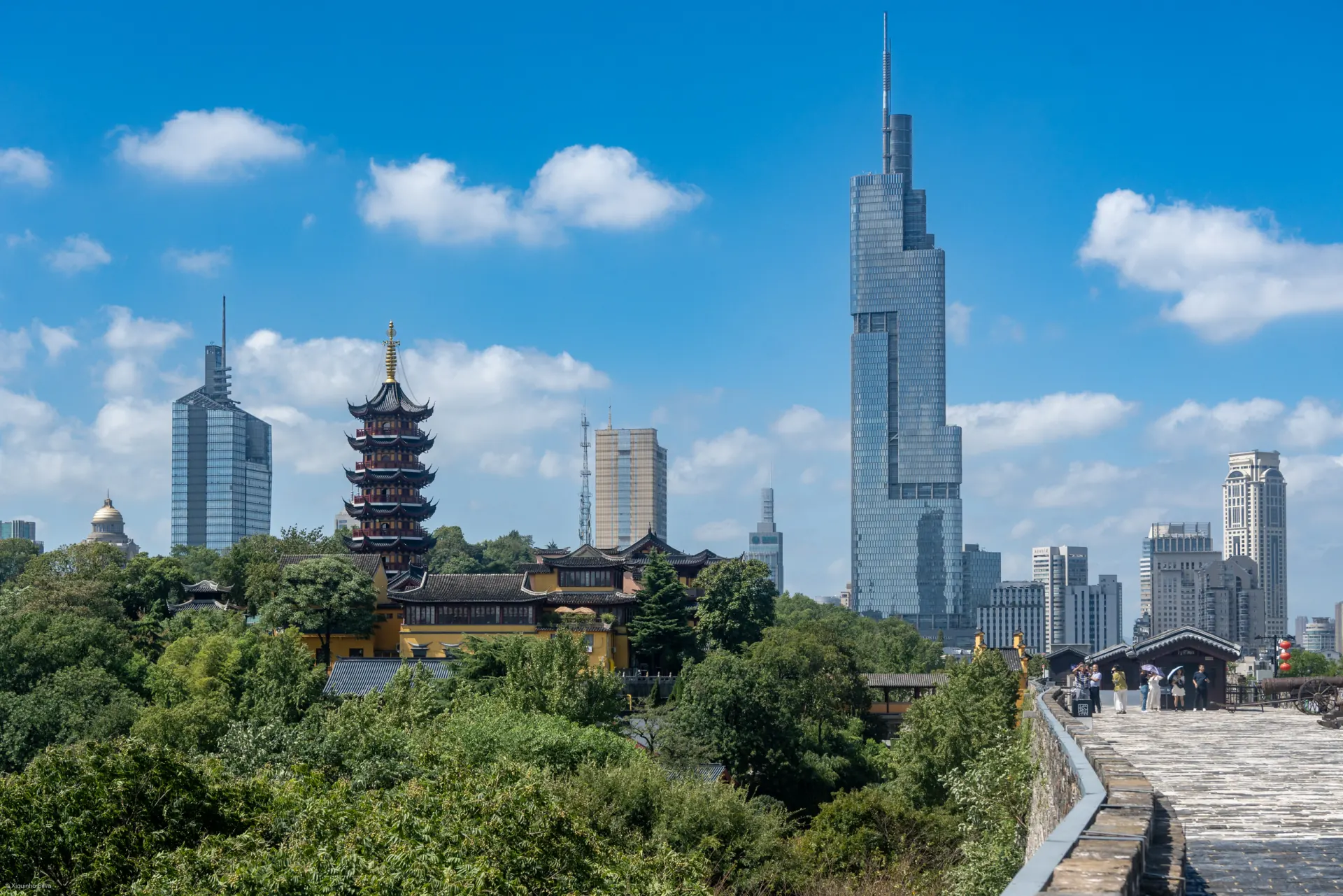
Supporting image 1 for Ming Xiaoling Mausoleum: nanjing, city, wall in China
A supporting image chosen to reinforce atmosphere, texture, and the landmark’s broader cultural context.

Private planning

Place Ming Xiaoling Mausoleum inside a better route.

A landmark is strongest when it belongs to a larger rhythm. We can shape a private China journey around cities, contrasts, and the kind of cultural depth you want to leave with.

Frequently asked questions

Is Ming Xiaoling only relevant for history enthusiasts?

No. It can also resonate with travelers who care about atmosphere, procession, and how memory is shaped through landscape.

How much time should a thoughtful visit take?

Two to three hours often works well, depending on pace and how the site is contextualized.

What does the mausoleum add to Nanjing?

It adds dynastic gravity, ceremonial tone, and a more spatial understanding of historical authority.

Who tends to value it most?

Travelers interested in political memory, ritual landscapes, history, and quieter but deeply serious cultural sites.

Private inquiry

Tell us how Ming Xiaoling Mausoleum fits the China you want to meet.

If this place belongs in your route, leave a note and we will shape it into a calmer, more coherent private journey.

  • Private cultural journey design, not package sales.
  • Creator-ready, founder-aware, and culturally intelligent support.
  • Every inquiry is reviewed by a human before the next step is suggested.

Tell us what kind of China you want to meet.

A strong first note can be clear, incomplete, practical, intuitive, or some mixture of all four.

How to reach you

Enough for us to reply thoughtfully and understand who this journey is for.

Journey details

These details help us shape pacing, fit, and the right level of design.