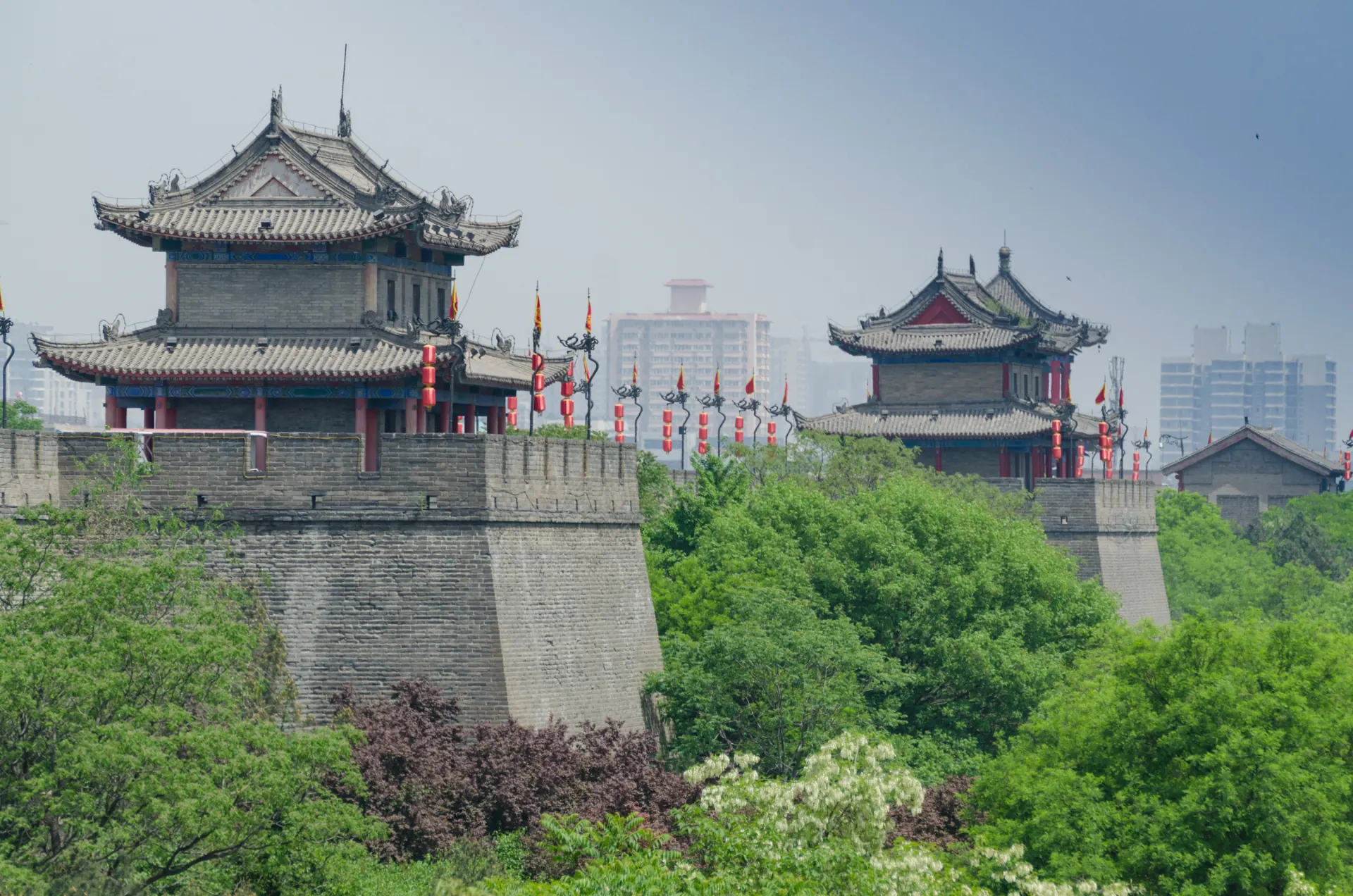
Walls translate power into urban form. In Xi'an, they help explain how protection, administration, and ceremonial center were all embedded in the shape of the city.
For travelers, this turns history into something more physical and immediate.
Landmark guide
Xi'an’s city wall matters because it gives travelers a bodily sense of historical scale. Walls are not only defensive objects. They define urban imagination, movement, threshold, and the relationship between center and outside. In a stronger Xi'an route, the wall helps make history spatial and present rather than remaining an abstract sequence of dynasties.
The city wall is often one of Xi'an’s most legible sites precisely because it can be felt through movement, not only explained through dates.
This page belongs inside the broader Xi'an for Cultural Travelers: Dynastic Memory, Silk Road Layers, and First China Depth guide, where this landmark is placed inside a more coherent city rhythm.
Short answer
Xi'an’s city wall matters because it gives travelers a bodily sense of historical scale. Walls are not only defensive objects. They define urban imagination, movement, threshold, and the relationship between center and outside. In a stronger Xi'an route, the wall helps make history spatial and present rather than remaining an abstract sequence of dynasties.
Walls translate power into urban form. In Xi'an, they help explain how protection, administration, and ceremonial center were all embedded in the shape of the city.
For travelers, this turns history into something more physical and immediate.
The wall benefits from pace and perspective. Rather than treating it as only a viewpoint or photo stop, a stronger route uses it to discuss continuity, enclosure, and the structure of the older city.
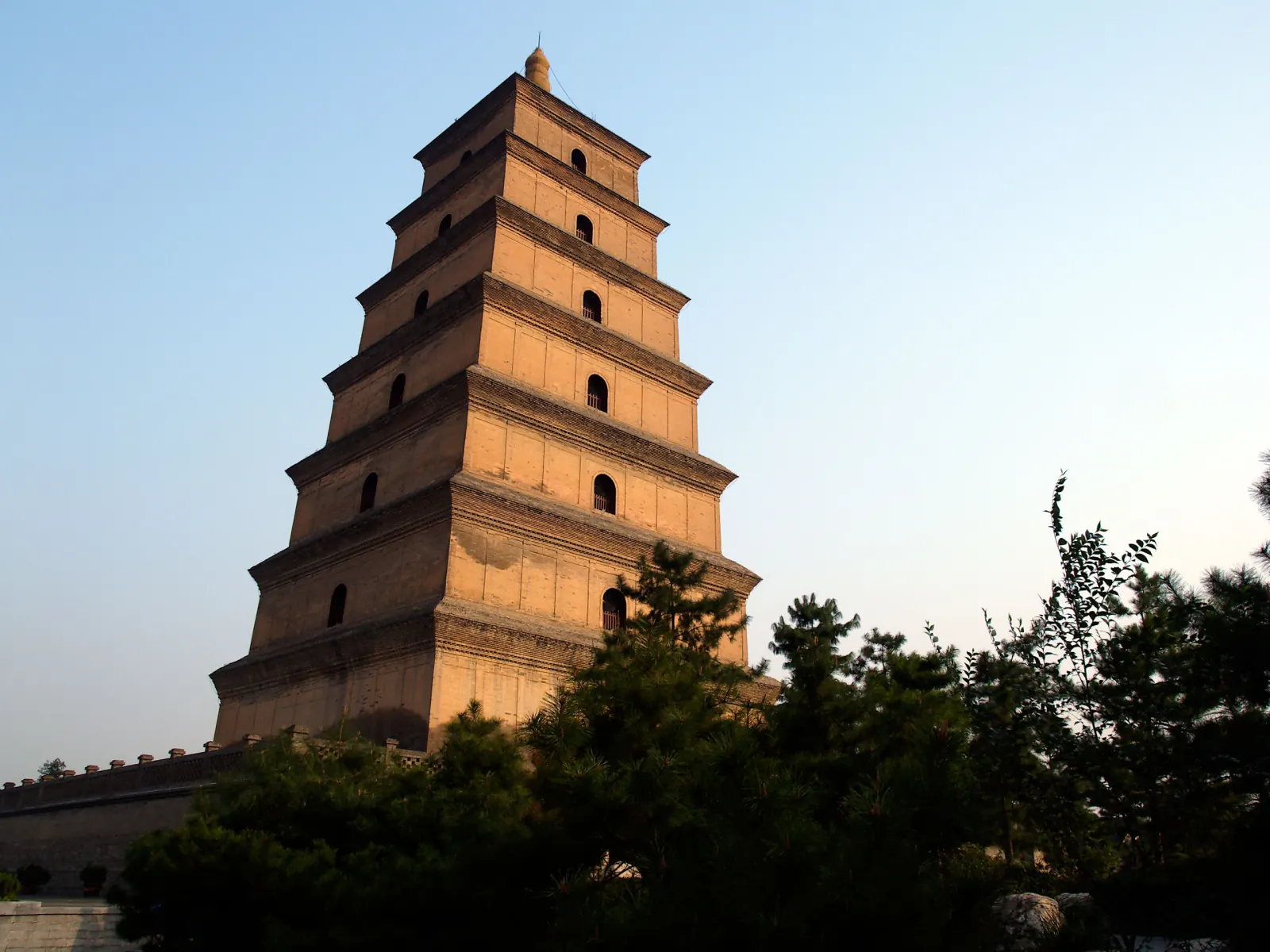
It often pairs especially well with pagoda or neighborhood visits that reintroduce scale at a more intimate level.
Private planning
A landmark is strongest when it belongs to a larger rhythm. We can shape a private China journey around cities, contrasts, and the kind of cultural depth you want to leave with.
Yes. It gives a different kind of understanding, focused on urban form and lived historical scale rather than imperial spectacle.
A focused visit of one to two hours often works well within a larger Xi'an day.
Travelers interested in architecture, city form, history, and how power shapes space.
Very often yes, because it makes the city’s older logic tangible almost immediately.
Private inquiry
If this place belongs in your route, leave a note and we will shape it into a calmer, more coherent private journey.