L Limina China Threshold journeys through China

Answer guide

Common Tourist Scams in China and How First-Time Visitors Avoid Them

The scams that show up in official travel advice are specific, and they repeat. A stranger invites you to tea, a bar, a massage, or an art talk. An unmarked car at a station offers a ride. A QR code asks you to pay before you know whom you are paying. None of these require a special talent to refuse. They require recognizing the invitation early.

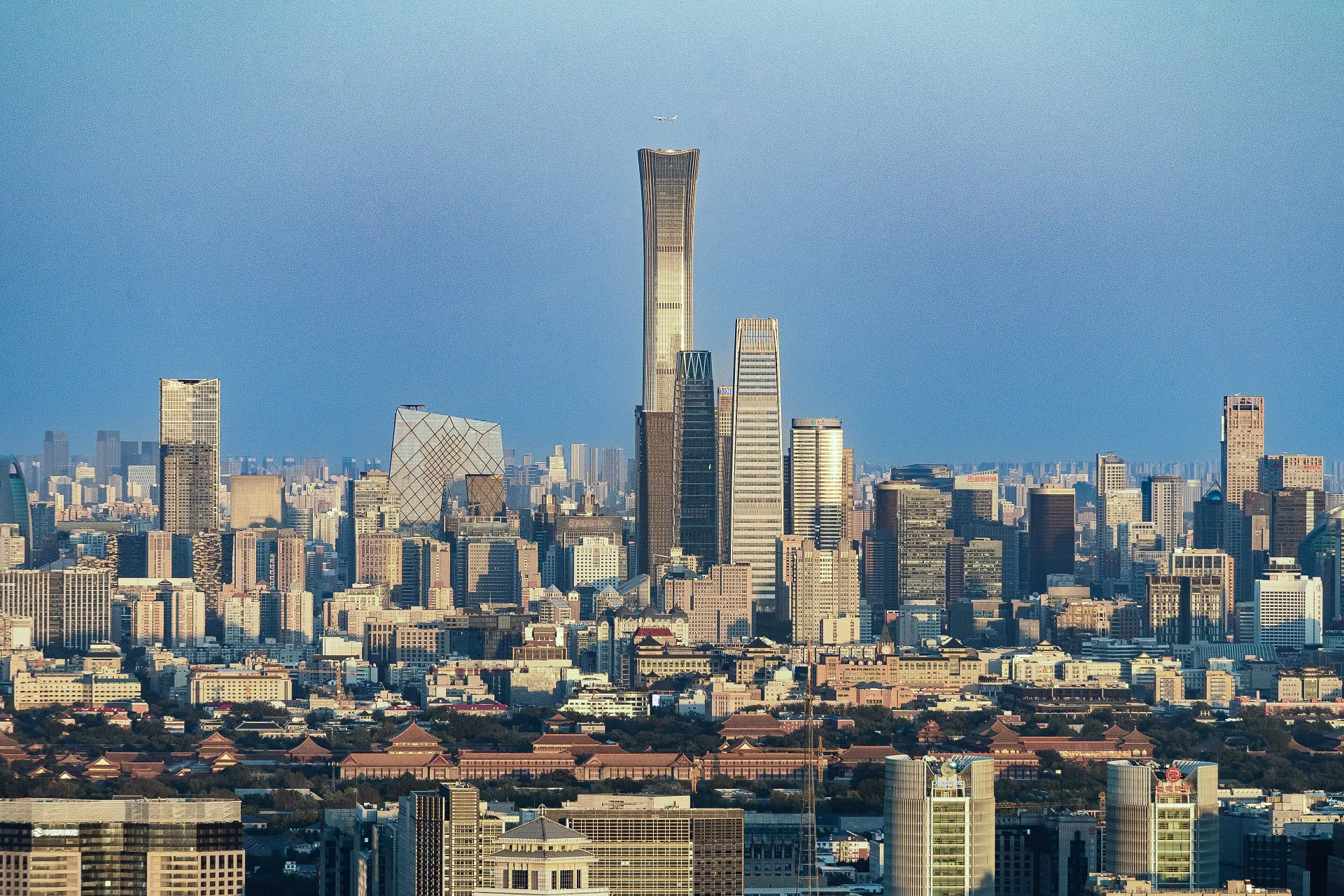
Beijing CBD skyline above residential rooftops

Answer guideKnow the pattern

Short answer

Short Answer

Decline unsolicited invitations to tea, bars, massage, or “English practice” in tourist areas. Use a marked taxi or an app booking, not a tout. Check a QR payment before you confirm it. Put any shopping stop in writing before you travel. If a bill or a threat appears, leave, then call the police and your card issuer.

What official advice actually names

This page follows two government advisories, not forum folklore. The UK Foreign, Commonwealth and Development Office page on safety and security in China, still current on 5 November 2026, describes a tea, bar, or massage approach, QR-code phishing, and unmarked or unmetered taxis. The Government of Canada’s China travel advice, updated 3 November 2026, describes the same drink-and-bill pattern in places such as Tiananmen Square, the Bund, East Nanjing Road, and People’s Square, and adds strangers who offer to “practice English” or to visit an art gallery or teahouse. Both were re-read on 5 November 2026.

China is not one continuous scam. Ordinary meals, metros, and museums are routine. The patterns below are concentrated where visitors are easy to spot and slightly unsure. The habit that prevents most of them is the same: you choose the place, or you do not go in.

Street scams are a different subject from commission shopping inserted into a tour. That second problem is covered in private China tours with no shopping stops. Read both if you are comparing companies as well as walking around alone.

The tea, bar, massage, or art invitation

The FCDO’s wording is direct. Friendly strangers invite you to a bar, to drink tea, or to have a massage. The venue then demands a large fee. The advisory says this can be followed by threats, violence, or credit-card fraud. Canada describes the same sequence and adds the English-practice and art-gallery versions. The bill, Canada notes, can run to thousands of dollars, and in some cases visitors have been harmed.

The moment to refuse is before you sit down. Politeness is not a reason to enter a place you did not choose. A firm no, then walking toward a staffed museum, a hotel, or a busy shop, is enough. Do not negotiate the “tasting.” Once drinks are on the table, the script moves to the bill.

If you want tea, pick the teahouse yourself, ask the price of a pot before you order, and leave if the answer is vague. A private guide who takes you to a place they can name in the written plan is a different thing from a stranger on the square.

Taxis and cars you did not book

The FCDO advises against unmarked or unmetered taxis, citing incidents of sexual assault and robbery against foreign nationals. In a marked taxi it says to tell someone where you are, note the taxi number, insist on the metered fare, and ask for a receipt that shows that number. It also warns that a fare dispute can escalate, and that a physical fight can lead to detention whoever started it.

Canada adds the airport version: drivers sometimes overcharge, and some try to pass counterfeit currency. Its practical list matches common sense. Use a licensed taxi or a ride booked in an app. Avoid unmarked cars, especially at airports and at the exits of major sites. If there is no meter, agree the fare before the car moves. Take a receipt. Take your luggage out of the trunk before you pay.

An app booking is useful because the car, the plate, and the trip exist as a record. Match the plate before you get in. A private driver arranged in advance, and named in your plan, is the version of this that does not start with a negotiation at the curb. Neither a driver nor an app replaces the advice above when you are on your own in the evening.

QR codes and payment pressure

The FCDO specifically tells travelers to learn the risks of QR-code phishing, because codes are how a great deal of ordinary payment works. A code stuck over another code, a loose printout, or a request to scan before you have seen an amount is the wrong moment to be quick.

Open the payment only from the app you installed yourself. Read the recipient and the amount. Do not enter a banking password or a verification code because someone in a shop is rushing you. If a charge looks wrong, contact the card issuer or the payment app through its own published contacts, not through a number in the same message. Setup steps, including what foreigners can and cannot do, are in how to pay in China.

Shopping stops are a different scam

A jade shop, a silk outlet, or a “friend’s tea factory” inserted into a guided day is not usually a street hustle. It is a commercial stop that subsidizes a cheap-looking tour. The defense is earlier: require, in the written itinerary, that no commission shopping stop will be added, and ask for every planned commercial venue by name. The checks are in no shopping stops.

If you are already inside and the day has quietly become a showroom, you can decline to buy. You should not have to. That is a planning failure, and it is fair to treat it as one when you choose a company.

If it has already happened

Canada’s advice, if you have been held for a bill, is to get to a safe place, write down the name and address of the venue, report it to the police and keep the report, and call the card issuer. The police report is often what the card company asks for before it will dispute the charge. Do not send more money to “settle” it from your hotel. The FCDO’s taxi note is the other half: do not turn a fare argument into a fight.

Keep the embassy or consulate number for your passport offline, along with your insurer. How Limina thinks about support when we are the ones designing the days is on trust and safety. That page is about our work. It is not a claim that we can intervene in a dispute we are not part of, and it is not a substitute for the police.

Sources, checked 5 November 2026: FCDO, Safety and security — China (the parent advice page was marked still current that day) and Government of Canada, China travel advice, updated 3 November 2026.

Private journey design

Next step

A private day with a known guide and a known car removes most of these encounters. If you want that structure, and a written confirmation that the itinerary has no commission shopping stops, tell us the cities and the dates.

FAQ

What is the tea scam in China?

Official UK and Canadian travel advice describe strangers who invite visitors to tea, a bar, a massage, or a similar venue. The bill is then far beyond a normal price, and can come with threats or card fraud. Refuse before you sit down.

Are unmarked taxis the main risk?

They are one of the risks those advisories name, including at airports and tourist sites. Use a marked, metered taxi or an app booking, note the car, and do not get into a car you did not choose.

Do QR codes get misused?

The FCDO tells travelers to learn QR-code phishing risks. Confirm the recipient and the amount in an app you installed yourself before you pay.

Is a shopping stop on a tour the same thing?

It is a related but different problem: a commission visit built into the day. Require a written no-shopping-stop commitment before you pay. See the companion guide on private China tours with no shopping stops.

What should I do if I have already paid a scam bill?

Leave, record the venue’s name and address, report it to the police, and call your card issuer with that report. Do not send more money from the hotel.