City guide

Chengdu for Cultural Travelers: Teahouse Life, Ease, and the Texture of Sichuan

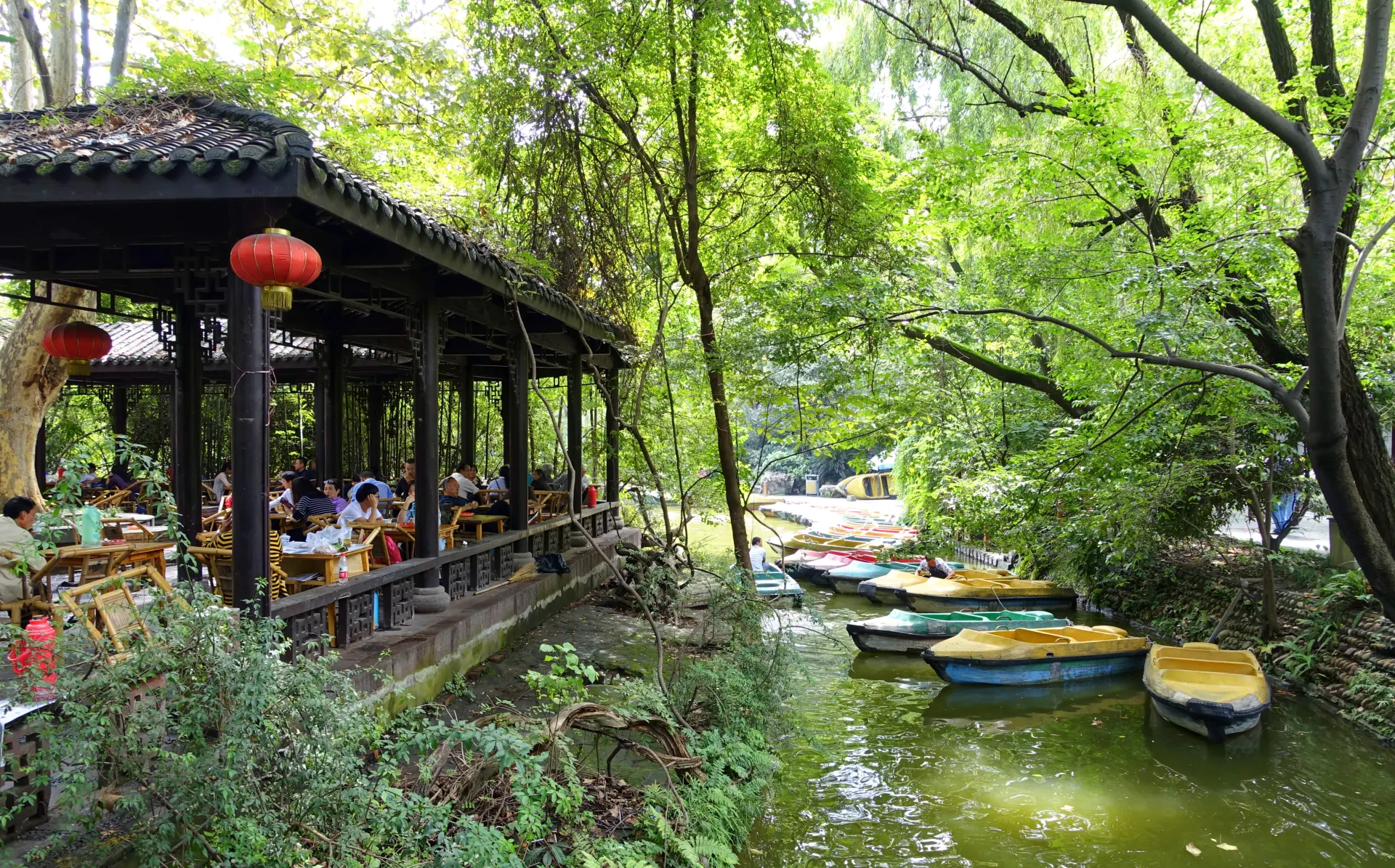
Chengdu is one of the strongest cities in China for travelers who want atmosphere, ease, and lived cultural texture rather than monument-heavy tourism alone. Teahouse life, slower neighborhood rhythm, Sichuan flavor, and a distinct sense of urban softness make the city feel unusually habitable. In a stronger route, Chengdu helps travelers understand everyday China through tempo, conversation, and social warmth.

Chengdu often works well when a traveler wants a city that is culturally rich without feeling performatively grand. Its value lies in pace, sociability, and how ordinary life becomes legible.

Lakeside teahouse and small boats under trees in Chengdu’s People’s Park

South and Modern ChinaChengdu

  • Chengdu works best when it is read through rhythm, context, and the role it plays inside a wider China route.
  • Best for private travelers who want place to feel legible rather than reduced to landmark volume.
  • Usually strongest when paired with nearby cities in South and Modern China or with a contrasting second chapter elsewhere in China.

Answer-first summary

Why Chengdu belongs in a deeper China journey

Chengdu is one of the strongest cities in China for travelers who want atmosphere, ease, and lived cultural texture rather than monument-heavy tourism alone. Teahouse life, slower neighborhood rhythm, Sichuan flavor, and a distinct sense of urban softness make the city feel unusually habitable. In a stronger route, Chengdu helps travelers understand everyday China through tempo, conversation, and social warmth.

Why Chengdu feels different

Chengdu has a different social tempo from many first-stop China cities. It feels less compressed, more conversational, and more willing to dwell. That makes it especially strong for travelers who want lived texture rather than constant symbolic intensity.

In cultural travel terms, this is important because atmosphere is part of understanding. Chengdu teaches through ease.

Lotus pond and traditional pavilion in the gardens of Wuhou Shrine, Chengdu
A lotus pond and traditional pavilion form a garden scene inside Chengdu's Wuhou Shrine.

Teahouse life and Sichuan urban texture

Teahouses in Chengdu are not only quaint settings. They are part of a civic rhythm where conversation, pause, and public-private softness shape how the city is inhabited.

Combined with food culture, neighborhood observation, and local ritual or memory sites, they help travelers encounter a more social and grounded side of China.

Pedestrians and traditional shopfronts along Chengdu’s Kuanzhai Alleys
Pedestrians and traditional shopfronts in Chengdu’s Kuanzhai Alleys.

How Chengdu works inside a broader journey

Chengdu often pairs well with Xi'an or with more formal eastern-city routes because it introduces a more relaxed civic atmosphere and a different emotional register.

For families, creators, and culturally curious travelers, Chengdu can become the place where China feels most livable rather than only historically or aesthetically impressive.

Private route design

Use Chengdu as part of a more coherent China story.

If this city feels essential to the China you want to experience, we can shape it into a private route with stronger pacing, cultural depth, and calm support.

Frequently asked questions

Is Chengdu only for food and pandas?

No. Those can matter, but Chengdu’s deeper value lies in teahouse culture, urban rhythm, sociability, and the lived texture of Sichuan life.

How many days should a cultural traveler spend in Chengdu?

Two to three nights usually works well for a first route, especially if the goal is to feel the city’s tempo rather than only cover major attractions.

Who tends to connect with Chengdu most?

Travelers who value atmosphere, conversation, food culture, neighborhood texture, and a softer, more habitable version of urban China.

Can Chengdu fit a premium private route?

Yes. Chengdu often benefits from a calm, well-paced design that lets the traveler notice texture, ease, and everyday cultural intelligence.

Why travelers choose Limina

High-touch guidance for a country that rewards depth.

01

Private cultural journey

Every route is shaped around rhythm, perspective, and a more intelligent relationship with place.

02

Creator-ready content support

We design with atmosphere, timing, and visual sensitivity in mind for photographers, writers, and founders alike.

03

Bilingual cultural guidance

Translation and interpretation stay close to the journey, so complexity becomes legible instead of flattening out.

04

Bespoke itinerary design

We begin with fit, not packages, and shape the route around what kind of China the traveler wants to meet.

05

High-touch travel experience

Luxury serves clarity: fewer frictions, stronger transitions, and more space for meaning to gather.

Your China journey

Let’s start with your idea.

You do not need a finished itinerary. Tell us what interests you and what you would like help planning.

  • Patrick and Zoe personally review your note.
  • We begin by email; a call can follow if useful.
  • An inquiry starts a conversation, with no commitment to book.

Prefer email? liminachina@outlook.com

Tell us about your trip.

Only your name, email and a short note are required.

About: Chengdu | South and Modern China

Add more trip details (optional)