Landmark guide

Chengdu Teahouse Culture: A Guide to the City's Social Rhythm

Chengdu teahouse culture is one of the clearest ways to understand the city's relationship with time, conversation, and public life. A meaningful visit is less about sampling tea quickly and more about sitting long enough to notice how people gather, talk, play, watch, and share space.

Many cities can be described through monuments. Chengdu is often better understood through its teahouses and the unhurried ways people sit, talk, observe, and spend time together.

This page belongs inside the broader Chengdu for Cultural Travelers: Teahouse Life, Ease, and the Texture of Sichuan guide, where this landmark is placed inside a more coherent city rhythm.

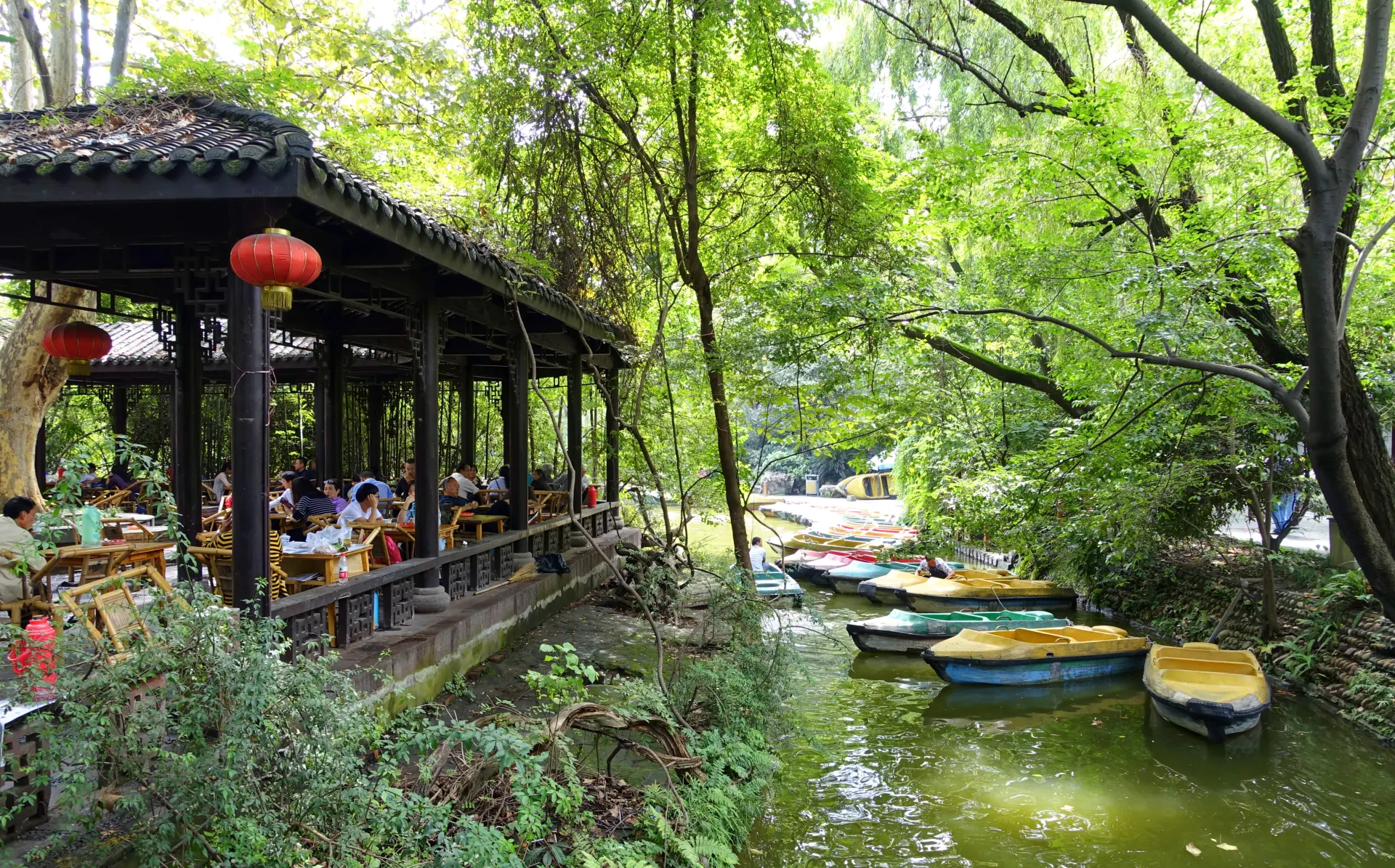
Lakeside teahouse and small boats under trees in Chengdu’s People’s Park

ChengduChengdu Teahouse Culture

  • Chengdu Teahouse Culture is strongest when visited with enough pacing and interpretation to let its logic register.
  • Best for private travelers who want meaning, not just recognition, from a major site.
  • Usually works better as part of a quieter Chengdu day than as one more stop inside an overloaded checklist.

Short answer

Why Chengdu Teahouse Culture matters

Chengdu teahouse culture is one of the clearest ways to understand the city's relationship with time, conversation, and public life. A meaningful visit is less about sampling tea quickly and more about sitting long enough to notice how people gather, talk, play, watch, and share space.

What to notice in a Chengdu teahouse

The most revealing details are often ordinary: seating patterns, repeated cups of tea, conversation, games, gestures, and the easy overlap between private time and shared public space.

These details make Chengdu's civic texture visible. For travelers, they offer a different kind of knowledge: not only what the city symbolizes, but how it is inhabited.

How to spend the time well

Choose a teahouse where there is room to stay rather than treating it as a quick themed stop. The experience becomes more meaningful when the traveler can notice sound, gesture, pacing, and the social softness of the setting.

Placed between more structured visits, teahouse time can become the emotional key to Chengdu. It gives a first-time visitor a slower reference point for understanding the rest of the city.

Pedestrians and traditional shopfronts along Chengdu’s Kuanzhai Alleys
Pedestrians and traditional shopfronts in Chengdu’s Kuanzhai Alleys.

Private planning

Place Chengdu Teahouse Culture inside a better route.

A landmark is strongest when it belongs to a larger rhythm. We can shape a private China journey around cities, contrasts, and the kind of cultural depth you want to leave with.

Frequently asked questions

Are Chengdu teahouses mainly for tourists?

No. Their strongest cultural meaning comes from how deeply they remain tied to the city’s own social rhythm.

Why are teahouses important in understanding Chengdu?

Because they reveal how the city relates to time, conversation, ease, and public life.

Can teahouse culture fit a first-time China route?

Yes. It often gives first-time visitors one of the clearest experiences of lived urban texture.

Who tends to connect with this most?

Travelers interested in atmosphere, people-watching, social tempo, and meaningful travel beyond headline sights.

Your China journey

Let’s start with your idea.

You do not need a finished itinerary. Tell us what interests you and what you would like help planning.

  • Patrick and Zoe personally review your note.
  • We begin by email; a call can follow if useful.
  • An inquiry starts a conversation, with no commitment to book.

Prefer email? liminachina@outlook.com

Tell us about your trip.

Only your name, email and a short note are required.

About: Chengdu - Chengdu Teahouse Culture

Add more trip details (optional)