Landmark guide

Suzhou Canals and Craft Culture: Why Refinement Here Feels Lived, Not Staged

Suzhou’s canals and craft culture matter because they make refinement feel embedded in ordinary life. Water, movement, silk, textiles, domestic surfaces, and slower urban detail all contribute to a city that feels cultivated without becoming theatrical. For cultural travelers, this helps explain why Suzhou can feel so composed even outside its formal heritage sites.

Suzhou is often remembered for gardens, but its refinement also lives in materials, textures, and canal movement across the city.

This page belongs inside the broader Suzhou for Cultural Travelers: Gardens, Canals, and Scholar Aesthetics guide, where this landmark is placed inside a more coherent city rhythm.
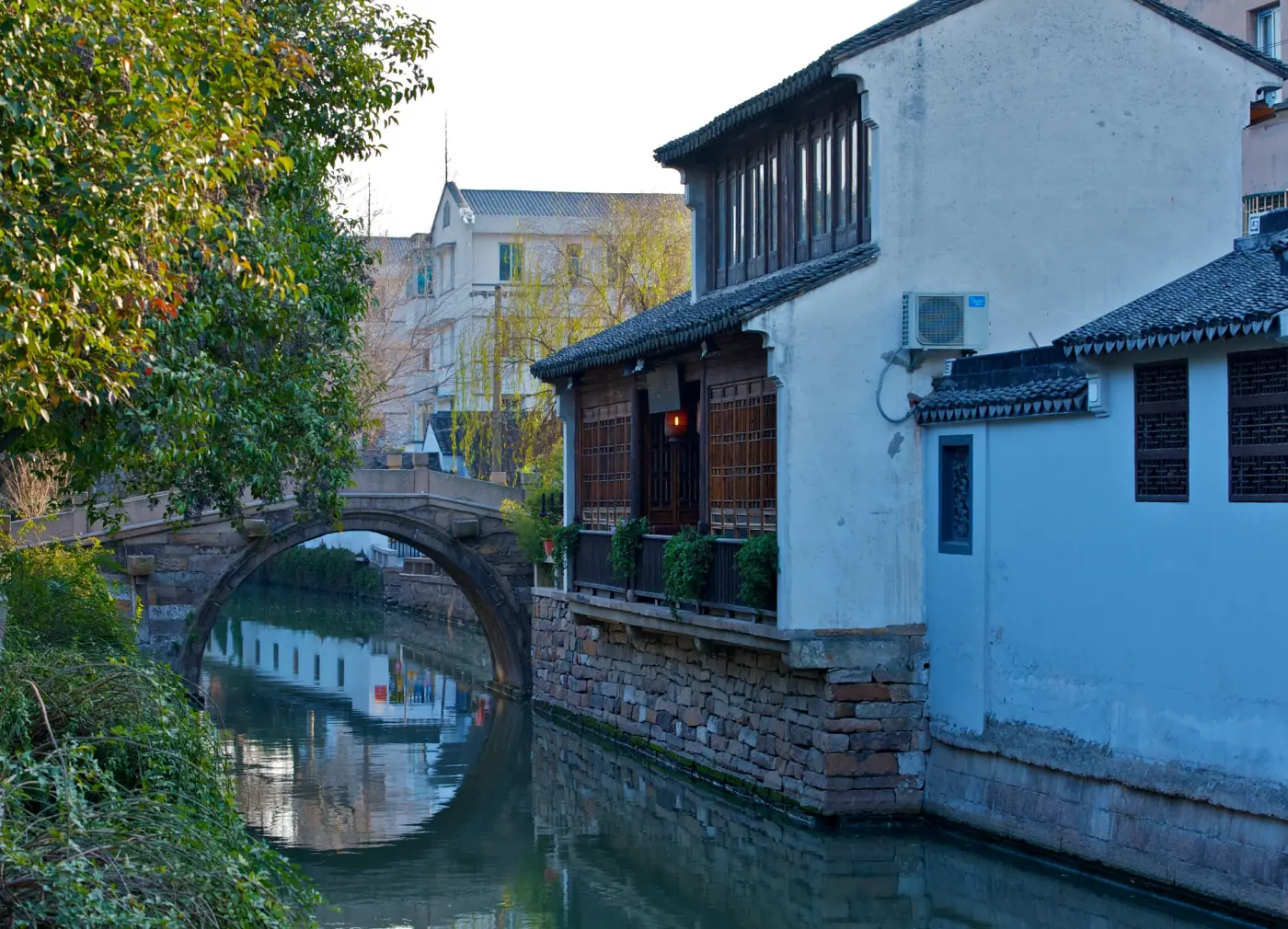
Stone arch bridge and waterside houses along Pingjiang Road in Suzhou

Photo: kevinmcgill · CC BY-SA 2.0 · Resized.

SuzhouSuzhou Canals and Craft Culture

  • Suzhou Canals and Craft Culture is strongest when visited with enough pacing and interpretation to let its logic register.
  • Best for private travelers who want meaning, not just recognition, from a major site.
  • Usually works better as part of a quieter Suzhou day than as one more stop inside an overloaded checklist.

Short answer

Why Suzhou Canals and Craft Culture matters

Suzhou’s canals and craft culture matter because they make refinement feel embedded in ordinary life. Water, movement, silk, textiles, domestic surfaces, and slower urban detail all contribute to a city that feels cultivated without becoming theatrical. For cultural travelers, this helps explain why Suzhou can feel so composed even outside its formal heritage sites.

Why canals and craft belong together

In Suzhou, water and craft are both part of a cultivated urban rhythm. Canals shape movement and atmosphere, while craft traditions reveal how beauty and domestic intelligence have been carried in material life.

Reading them together gives the traveler a more complete sense of the city than garden symbolism alone.

How this improves a private route

A private journey can slow down enough to connect silk, interiors, canal scale, and neighborhood observation into one story. That cohesion is what turns Suzhou from a pretty stop into a meaningful one.

This is especially valuable for creators, families, and travelers who care about visual detail and cultivated living.

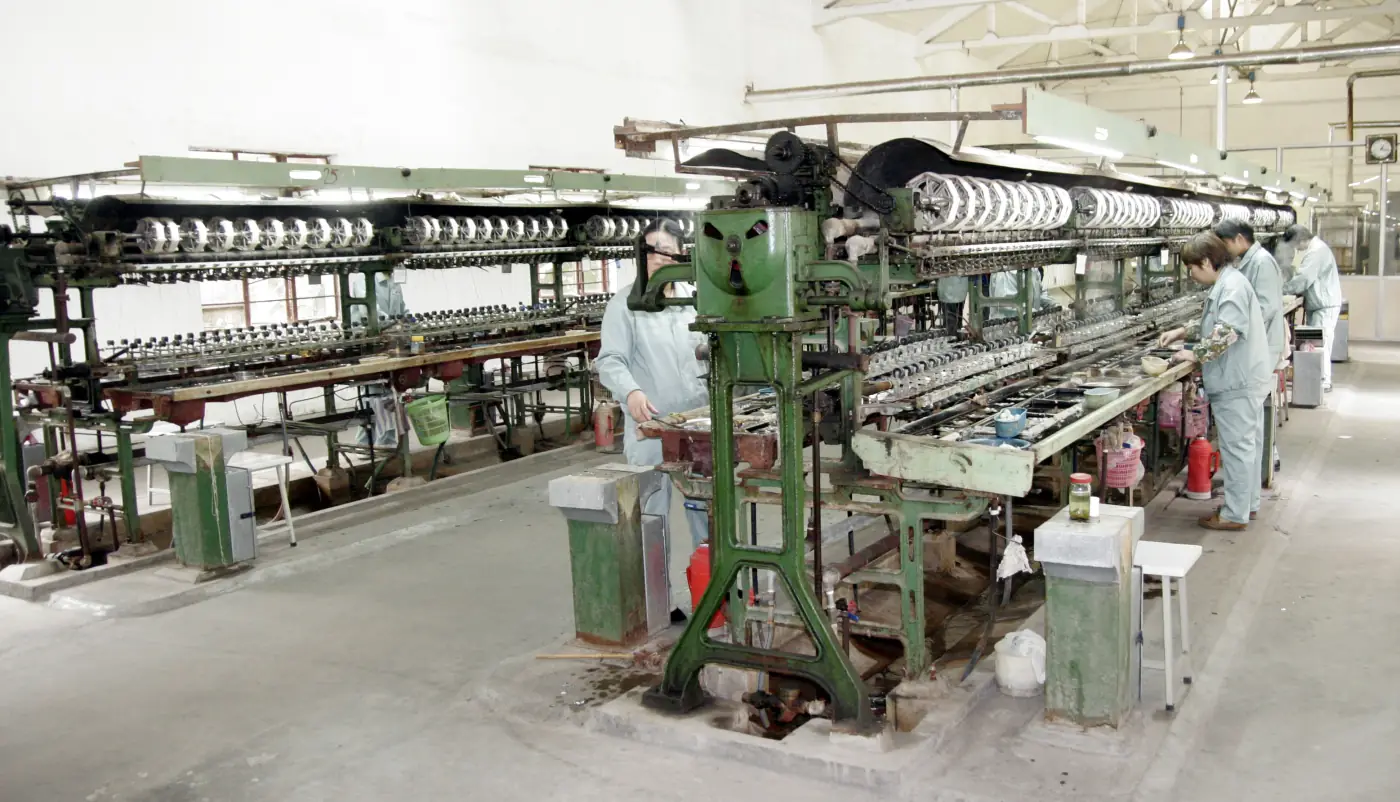
Workers operating silk-reeling machinery at Suzhou No. 1 Silk Mill
Silk production at Suzhou No. 1 Silk Mill, photographed in 2007. This historical photograph illustrates the city’s textile industry.

Photo: Armin Kübelbeck · CC BY-SA 3.0 · Resized.

Private planning

Place Suzhou Canals and Craft Culture inside a better route.

A landmark is strongest when it belongs to a larger rhythm. We can shape a private China journey around cities, contrasts, and the kind of cultural depth you want to leave with.

Frequently asked questions

Is Suzhou’s craft culture still relevant to modern travelers?

Yes. It offers one of the clearest ways to understand how refinement and domestic beauty remain culturally legible.

Do the canals matter beyond scenery?

They do. Canals shape scale, movement, atmosphere, and the emotional cadence of the city.

What kind of traveler values this lens most?

People interested in textiles, interiors, visual culture, and the relationship between beauty and everyday life.

Can this fit a first-time China itinerary?

Yes, especially when the route aims for refinement and cultural depth rather than only the biggest landmarks.

Your China journey

Let’s start with your idea.

You do not need a finished itinerary. Tell us what interests you and what you would like help planning.

  • Patrick and Zoe personally review your note.
  • We begin by email; a call can follow if useful.
  • An inquiry starts a conversation, with no commitment to book.

Prefer email? liminachina@outlook.com

Tell us about your trip.

Only your name, email and a short note are required.

About: Suzhou - Suzhou Canals and Craft Culture

Add more trip details (optional)