L Limina China Threshold journeys through China

Landmark guide

Suzhou Classical Gardens: How to Read Space, Water, and Cultivated Quiet

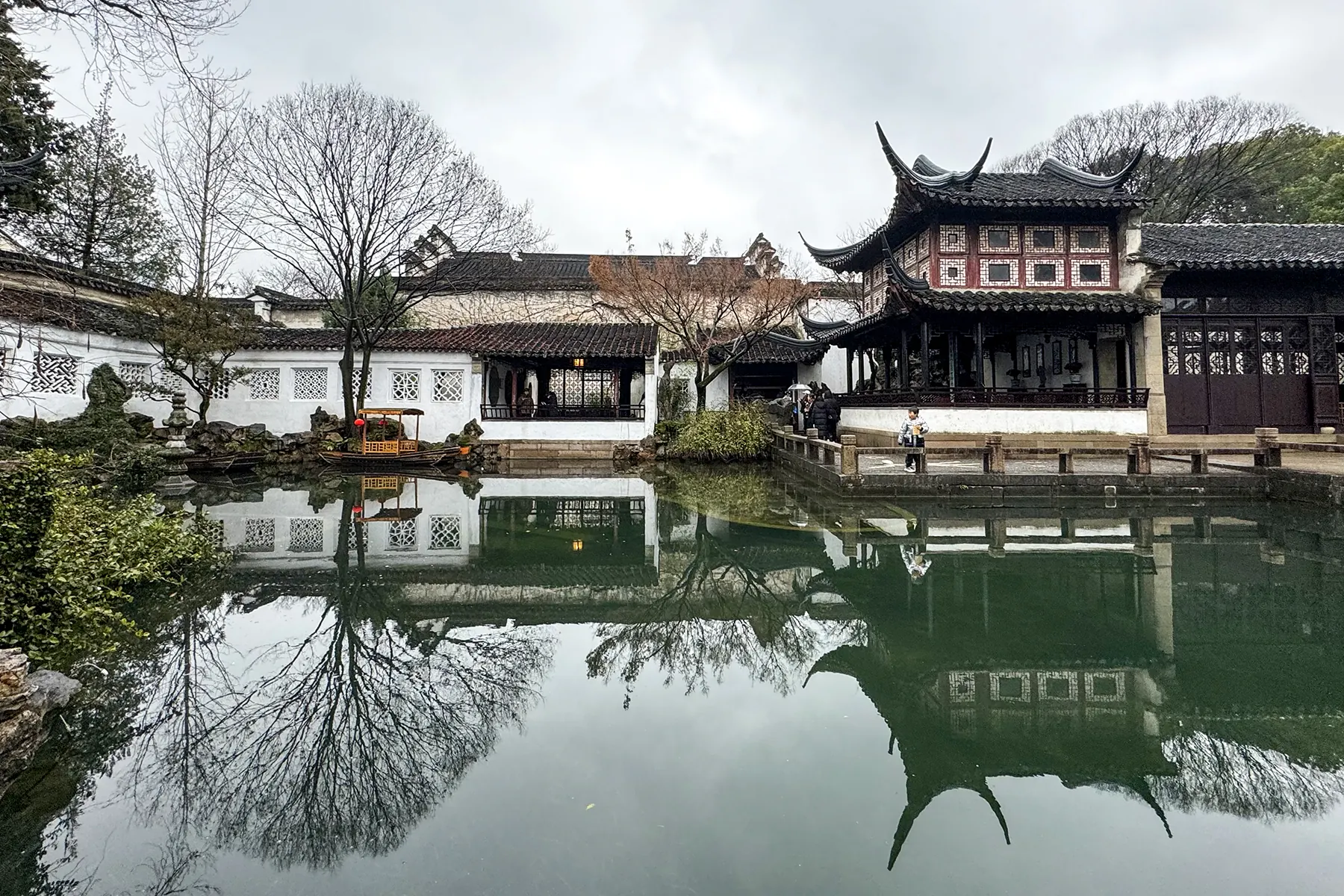
Suzhou’s classical gardens matter because they reveal a whole cultural logic of seeing, sequencing, and dwelling. These are not simply pretty spaces. They are carefully composed environments where water, stone, emptiness, framing, and movement are used to shape perception. For cultural travelers, they offer one of China’s clearest lessons in how refinement becomes spatial experience.

Many travelers admire Suzhou’s gardens immediately. The deeper experience begins when they understand that the gardens are designed to teach attention itself.

This page belongs inside the broader Suzhou for Cultural Travelers: Gardens, Canals, and Scholar Aesthetics guide, where this landmark is placed inside a more coherent city rhythm.

Editorial image for Suzhou Classical Gardens in Suzhou: Suzhou classical gardens guide

Short answer

Why Suzhou Classical Gardens matters

Suzhou’s classical gardens matter because they reveal a whole cultural logic of seeing, sequencing, and dwelling. These are not simply pretty spaces. They are carefully composed environments where water, stone, emptiness, framing, and movement are used to shape perception. For cultural travelers, they offer one of China’s clearest lessons in how refinement becomes spatial experience.

Why the gardens matter

Classical gardens in Suzhou are condensed worlds. They translate aesthetic, philosophical, and domestic ideals into built space, asking the visitor to move slowly enough for sequence and contrast to register.

That makes them unusually important in cultural travel, because they show how intelligence, beauty, and restraint can be built into everyday environments.
How to visit them well

A stronger visit focuses on fewer spaces and better interpretation rather than trying to rush through many gardens in one day. Perception matters more than quantity.

It also helps to connect the gardens with the rest of Suzhou, where canals, courtyards, and quieter streets extend the same logic into the city itself.

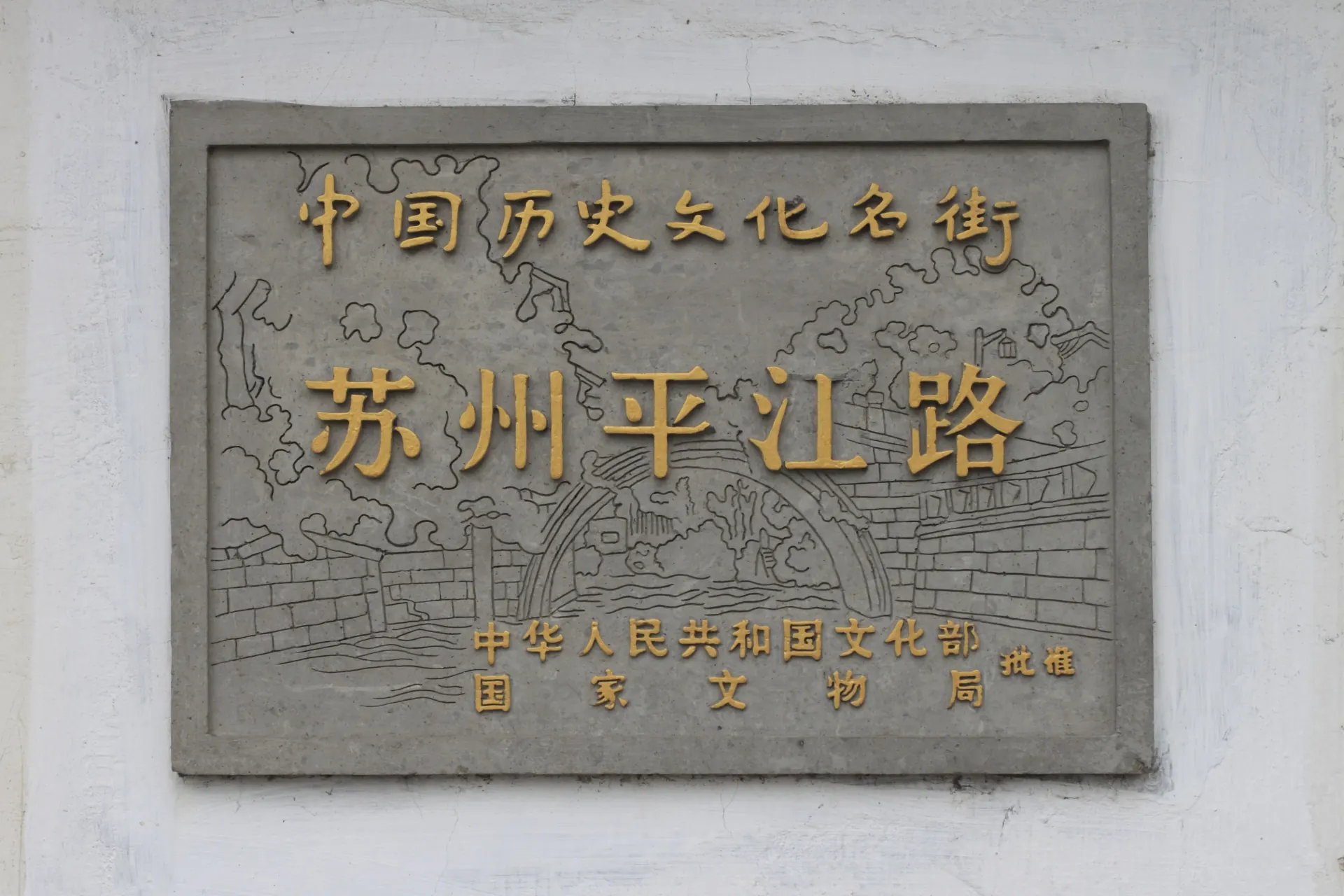
Supporting image 1 for Suzhou Classical Gardens: suzhou, pingjiang, canal in China
A supporting image chosen to reinforce atmosphere, texture, and the landmark’s broader cultural context.

Private planning

Place Suzhou Classical Gardens inside a better route.

A landmark is strongest when it belongs to a larger rhythm. We can shape a private China journey around cities, contrasts, and the kind of cultural depth you want to leave with.

Frequently asked questions

Are Suzhou’s gardens only for architecture lovers?

No. They can resonate with anyone interested in beauty, pacing, atmosphere, and how space shapes feeling.

How much time should a garden visit take?

A focused half day can be stronger than trying to see too many gardens too quickly.

Why are Suzhou’s gardens so important in Chinese culture?

Because they embody scholar aesthetics, cultivated domesticity, and a distinctive approach to space, water, and emotional rhythm.

Do the gardens fit a first-time China route?

Yes. They often become one of the most memorable ways to understand refined Chinese aesthetics beyond monuments.

Private inquiry

Tell us how Suzhou Classical Gardens fits the China you want to meet.

If this place belongs in your route, leave a note and we will shape it into a calmer, more coherent private journey.

  • Private cultural journey design, not package sales.
  • Creator-ready, founder-aware, and culturally intelligent support.
  • Every inquiry is reviewed by a human before the next step is suggested.

Tell us what kind of China you want to meet.

A strong first note can be clear, incomplete, practical, intuitive, or some mixture of all four.

How to reach you

Enough for us to reply thoughtfully and understand who this journey is for.

Journey details

These details help us shape pacing, fit, and the right level of design.