L Limina China Threshold journeys through China

Answer guide

Traveling China with Parents or Older Family: Pace, Comfort and What to Plan Ahead

China works well for parents and older relatives when the day has one main visit, a real rest, and a car that is already arranged. It works badly when the plan is a first-timer’s checklist done at a twenty-year-old’s pace. The trip is less about daring and more about editing.

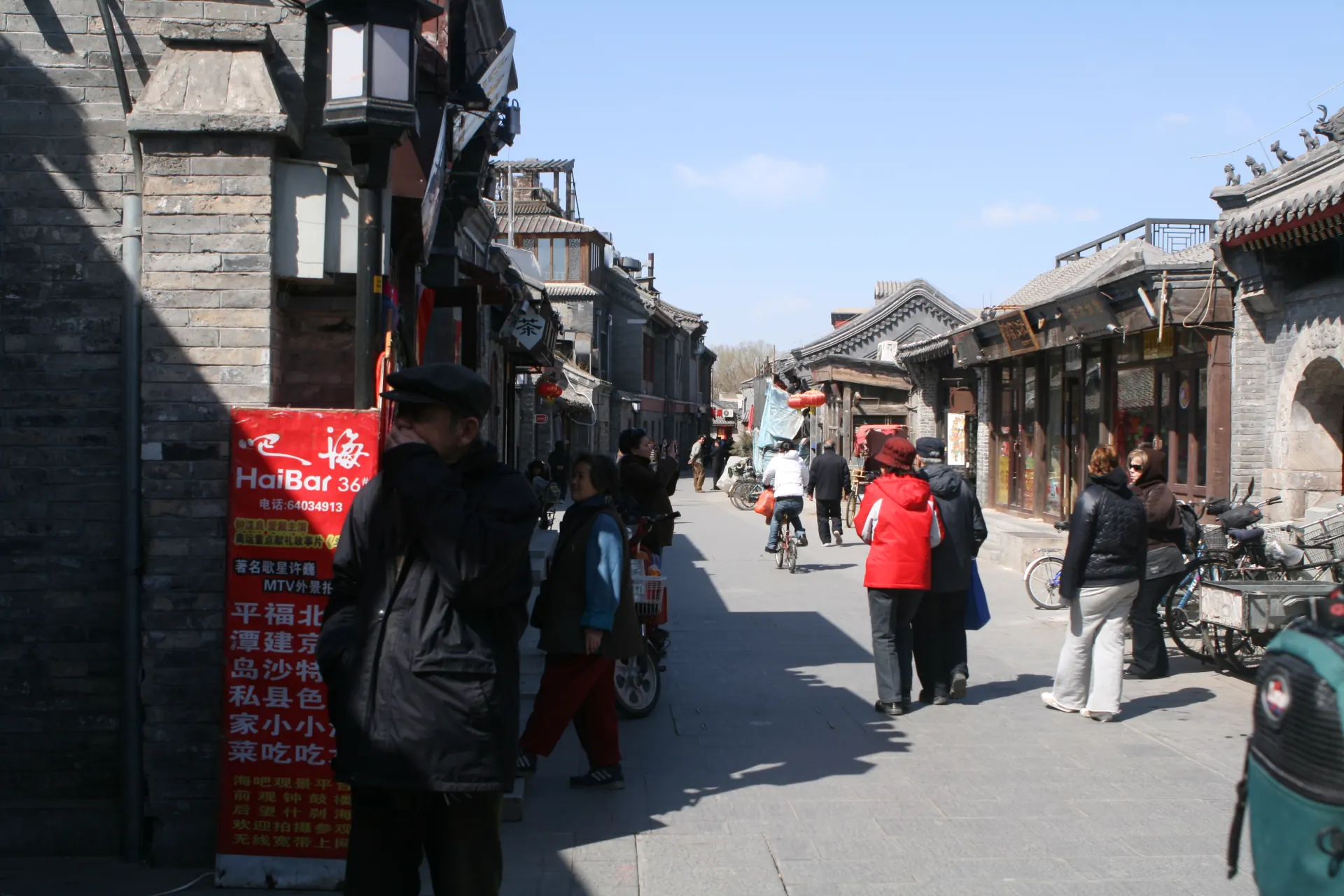
Shops and pedestrians along a traditional hutong lane in Beijing

Answer guidePace before sights

Short answer

Short Answer

Choose fewer cities, one anchor visit a day, and hotels you have checked for lifts and walking distance. Put a private car on the long transfers. Leave Forbidden City tickets, medicines, and insurance resolved before you fly. A private guide is there to shorten the day, not to add halls.

Start from the walking, not the city list

Ask each person, before anyone looks at a map, how long they enjoy being on their feet and whether stairs, heat, or cold end the day early. Write that down. A Beijing day designed for a photographer is often two or three outdoor sites plus a night neighborhood. For many parents in their sixties or seventies, that is two days forced into one.

A kinder shape is one anchor in the morning, lunch without a rush, and either a short second stop or nothing. The afternoon is part of the plan, not a failure to fill. Jet lag makes the first two days shorter still. Landing and going straight to a palace is how a trip starts with an injury or a quarrel.

Two or three cities in two weeks is usually enough. Adding a fourth city to “see more of China” spends the extra day on stations and packing. If someone has a bad hip, a heart condition, or simply hates early starts, say so at the beginning. A good route can be rewritten. A ticket already bought for a 7:30 train is harder.

Sites that look easy on a map

The Forbidden City is mostly level, and it is still a long walk from the south gate to the north gate, with thresholds, stone courtyards, and little shade. In winter the wind comes across those courtyards. In summer the same stone reflects heat. Reserve the palace on a day when people are rested, and treat the galleries as optional. The booking method is on Forbidden City tickets for first-time visitors. Build a second Beijing plan in case the date sells out, so nobody feels they failed the family by missing the palace.

The Great Wall is not one place. Some sections are reached by cable car. Some are long stair climbs. Winter ice changes the answer again. Pick the section for the knees in your party, not for the photograph you have already seen. Do not put the Wall and the Forbidden City on the same day for an older traveler. The drive alone can be two hours each way before anyone climbs.

Gardens, temples with seats, museum interiors, and a single hutong walk are often better second stops than another vast outdoor site. A private guide earns the fee by ending the visit while everyone is still glad they came.

Hotels, cars, and stations

Ask, in writing, whether the room is reached by a lift. Many beautiful courtyard hotels are one or two storeys of steps, with the bathroom down a polished corridor. That can be a pleasure at forty and a nightly risk at seventy-five. A modern hotel with a lift, a few minutes by car from the neighborhood you care about, is often the more comfortable luxury.

A private driver removes the part of the day that wears people out before the culture starts: finding the right metro exit, standing on a crowded platform, negotiating a taxi. It does not remove security lines inside a rail station. High-speed trains are often smoother than a second flight for Beijing–Shanghai style hops, and they still involve walking and queues. Read high-speed trains with a foreign passport and decide with the actual party, not with a general rule.

Hotel check-in is a passport exercise. The practical steps are in booking hotels in China. If you book rooms yourself and only want a guide and driver on selected days, say that. The support has to be agreed in writing so it does not vanish on the “free” afternoon.

Food, medicine, and the unglamorous list

Older travelers often care more about a quiet table and a known spice level than about a famous restaurant with a queue. Tell the guide about diabetes, blood pressure, vegetarian food, or a serious allergy before the first lunch. The phrasing that kitchens understand is in dietary needs and food allergies. Carry a short card in Chinese. Do not rely on a waiter guessing.

Bring daily medicines in their original packaging, plus a few extra days, in the cabin bag. Limina does not give medical advice and does not claim any clinical credential. If someone might need a doctor, read medical help in China for visitors before you travel, buy insurance that covers the ages in your party, and know which hospital you would actually go to in the first city. A clinic inside a five-star hotel is not the same thing as an emergency department.

Payments and maps fail more often when the person who set up the apps is not the person holding the phone. Put Alipay or WeChat Pay, and an offline map screenshot of the hotel, on more than one handset. The setup steps live in how to pay in China and essential apps.

What to decide before you book flights

  • Who needs a rest day, and after which flight.
  • The longest walk that still feels like a holiday.
  • Whether winter cold or summer heat is the greater limit. Winter Beijing can be lovely and quiet; read Beijing in winter before you treat it as “the easy season.” Chinese New Year is a different problem of closures and crowds.
  • Passport validity and the entry rule for each passport. Do not assume a parent’s passport matches yours.
  • Which days are guided, which are a driver only, and which are truly free.

Multi-generational trips are some of the clearest uses of private design, because the constraint is human and specific. The work is cutting the itinerary until the slowest person still has a good day. That is a planning choice. It is not a medical service, and it is not a promise that every historic site will be step-free.

Private journey design

Next step

Tell us who is traveling, how far they like to walk, and which cities you are considering. We will say honestly whether the shape fits, and what we would cut.

FAQ

Is China a reasonable trip for parents in their seventies?

Often yes, if the route is edited for their walking, the hotels have lifts, and the days contain one main visit plus rest. A checklist written for a fit first-timer is the version that goes wrong.

Should we do the Forbidden City and the Great Wall on the same day?

Not with older relatives. Each one is already a full outing once you include the car, the gates, and the way back. Give them separate days, and keep a backup if palace tickets are sold out.

Are courtyard hotels a good idea?

Only after you confirm a lift, or that the room and bathroom are on the ground floor. Many of the prettiest courtyard hotels are reached by stairs.

Do we need a private car?

For this kind of trip, usually on the days with a major site or a station transfer. A car does not replace a reserved ticket, and it does not remove walking inside the site.

Can Limina arrange doctors or promise step-free access?

No. We do not provide medical care or claim clinical credentials. We can pace a private day and point you to the visitor medical guide. Ask each site about current access; do not treat a general promise as an audit of the building.