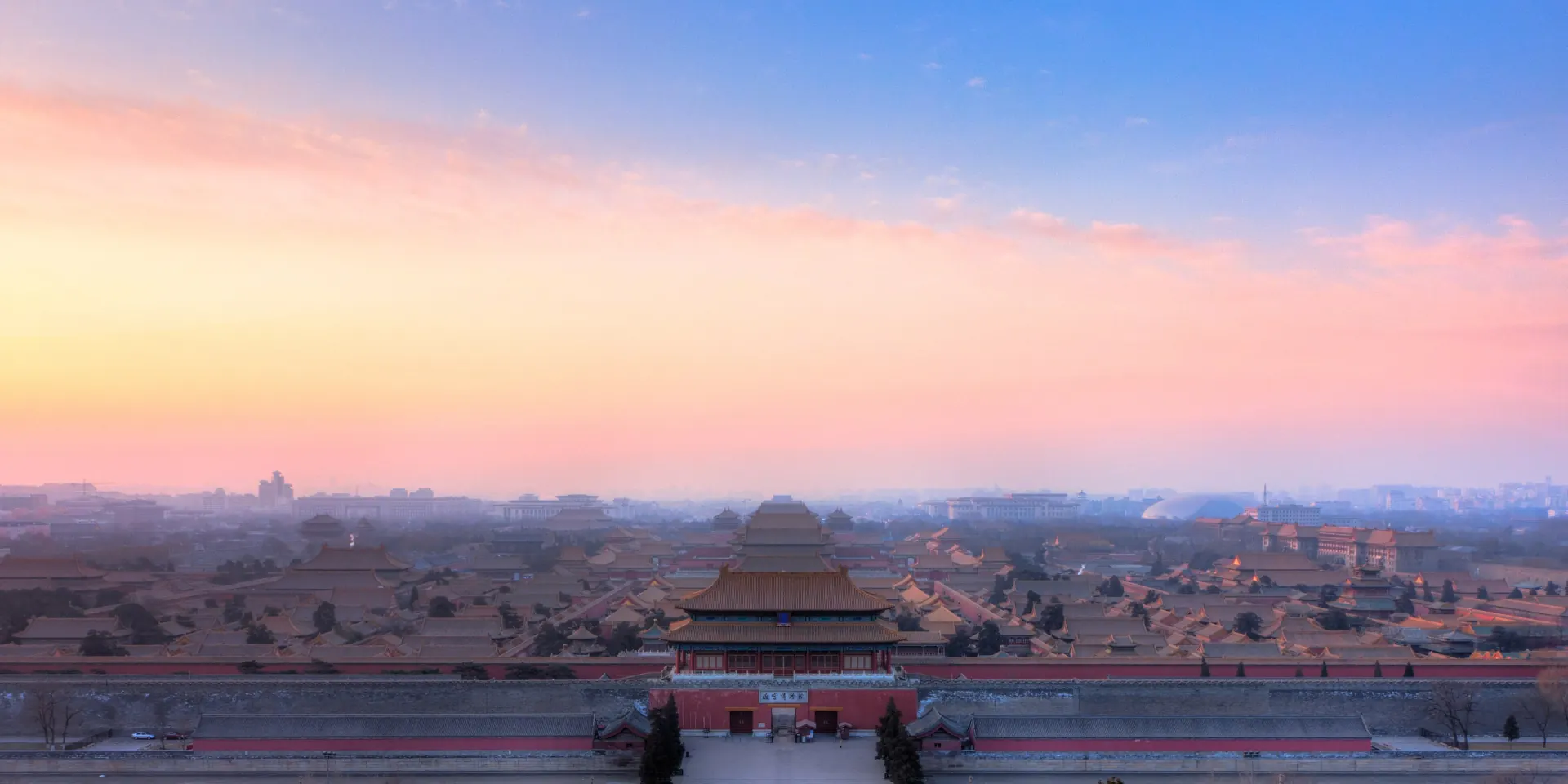

China does not present itself as a single mood. Imperial courtyards, a lakeside morning, and a city still rewriting its skyline can sit inside one week. Without a lens, that range feels like noise. Checklist tourism tries to solve the feeling by adding stops. The route usually becomes less clear, not more.
The practical layer is real as well. Entry rules depend on the passport you carry. Payment, a working phone connection, rail tickets, and museum reservations are separate systems. A first-time visitor who treats them as one generic “China is complicated” problem tends to leave them until the journey is already crowded.
Limina’s answer is editorial before it is logistical. Begin with what you want the country to mean on a first meeting, then give each city a role. Beijing can hold historical scale. Hangzhou can restore a slower register. Shanghai can show how the present city actually feels. The same three names become a narrative only when the days have room to breathe.
That is the difference between a private guide and a longer list. A guide is there to interpret, time the day, and keep transitions from swallowing the places. The journey should still leave hours that are yours.